








































‘They’re Afraid’ – Borussia Dortmund Criticised for Tactical Disaster in St Pauli Draw
For Borussia Dortmund, the Bundesliga season opener against St Pauli was supposed to be a chance to showcase resilience, firepower, and their intent to mount a proper title challenge. For 85 minutes, it looked like Niko Kovac’s side had done just that. Goals from Serhou Guirassy, Waldemar Anton, and Julian Brandt gave Dortmund a comfortable 3-1 cushion, the type of scoreline that normally closes out a contest. But football at the highest level is rarely that simple — and what unfolded in the final minutes at Signal Iduna Park has left fans, pundits, and former professionals questioning Dortmund’s mentality.
When St Pauli clawed a goal back in the 86th minute, nerves set in. What happened next has now been branded by pundits as an “absolute disaster.” From the kick-off following the goal, Guirassy rolled the ball forward and immediately belted it deep into the St Pauli half, straight out of play. No attempt to build possession, no calm recycling through midfield, just a surrender of the ball at the most delicate point in the game.
The move, designed as a tactical ploy, backfired spectacularly. St Pauli seized the momentum, took confidence from Dortmund’s apparent nervousness, and struck again in the 89th minute through Eric Smith. The comeback was complete, and Dortmund had turned three points into one.
Borussia Dortmund’s Tactical Trick Branded an “Absolute Disaster”
The decision to kick the ball away so deliberately is not without precedent. Clubs like Paris Saint-Germain have used similar ploys: launching the ball forward immediately after a restart to set up an aggressive high press. The logic is clear — pin the opponent deep in their own half, win the ball back high, and carve out a quick chance.
But for such a tactic to work, the press must follow. Dortmund, astonishingly, did not follow through. There was no coordinated swarm of yellow shirts hunting down the ball. Instead, St Pauli retrieved possession calmly, threw it back into play, and began their next attack. Within minutes, Dortmund’s two-goal cushion was gone.
Former Germany international Dietmar Hamann, never shy to give a blunt assessment, tore into the decision live on Sky.
“You just conceded the 2-3 and there are still seven minutes to play,” Hamann said. “Psychology plays a very big role. As a big BVB, you go there, concede the 2-3, and are outnumbered. It’s completely normal to come under pressure in the final minutes. But if I then kick the ball out of play and tell the opponent, ‘I surrender, we’ll defend the last few minutes,’ then you give the opponent the feeling: ‘They’re afraid of us, and we’ll score another goal.’”
Hamann went further, calling the decision an “absolute disaster,” not just tactically but psychologically. In his view, Dortmund’s players had waved the white flag, giving St Pauli and their fans the belief that more was possible — and within three minutes, it was.
Lars Ricken Defends Borussia Dortmund’s Decision

FC St. Pauli v Borussia Dortmund – Bundesliga
Not everyone within the club agreed with Hamann’s criticism. Dortmund sporting director Lars Ricken moved quickly to defend the thinking behind the kick-off tactic.
“It worked wonderfully against Essen; we had a chance to score after just 10 seconds,” Ricken reminded reporters. “That was the idea. I was actually surprised, because we didn’t follow up quickly to press. Instead, they simply took the ball quickly, threw it in, and were then able to launch their next attack.”
Ricken’s point makes sense on paper. If executed with intensity, the move could have caught St Pauli off guard. Instead, Dortmund looked tentative, hesitant, and disorganised — a reflection of the mental fragility that has plagued the club in recent seasons.
Mentality Questioned After Borussia Dortmund Collapse
.jpeg?auto=webp&format=pjpg&width=3840&quality=60)
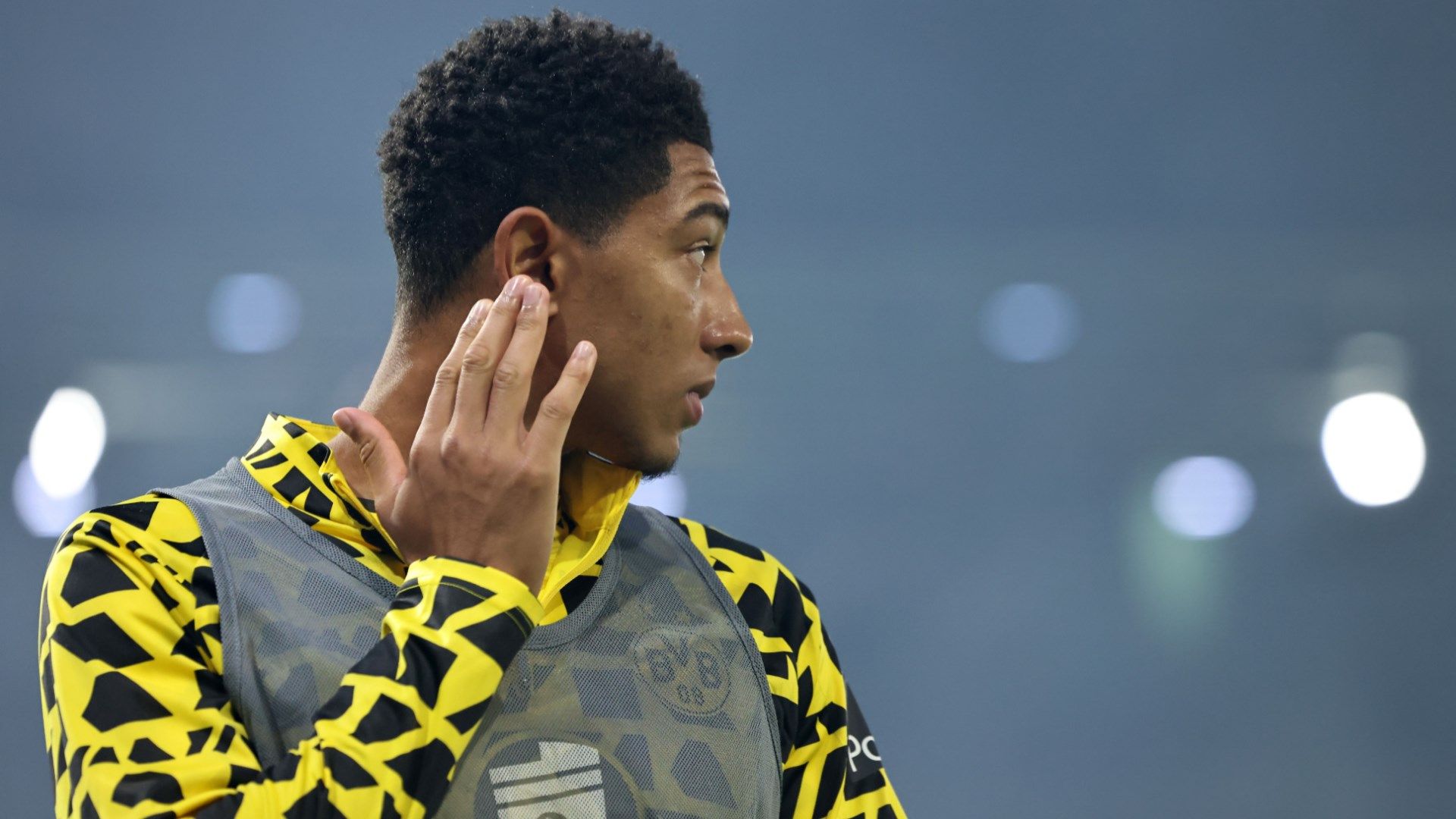
Jobe Bellingham Borussia Dortmund 2025
What makes this collapse sting even more is the timing. Dortmund entered the new season desperate to shake off the narrative that they cannot handle pressure. Last year’s struggles, including the fallout from the Jobe Bellingham incident, already had the fanbase questioning the squad’s mental strength. Sunday’s draw only added fuel to the fire.
This wasn’t about defensive structure or tactical nuance. It was about game management. At 3-1 up, Dortmund should have cruised. Even at 3-2, the experienced heads in the side should have slowed the game, recycled possession, and seen out the final minutes. Instead, panic set in, and the wrong message was sent — not just to St Pauli, but to the league as a whole.
Hamann’s point about psychology resonates deeply. When Dortmund hoofed the ball out, they signalled to St Pauli that they were afraid. The visitors, already buoyed by their second goal, suddenly had belief. The crowd roared, the players pushed forward, and Dortmund cracked.
Pressure on Kovac to Respond
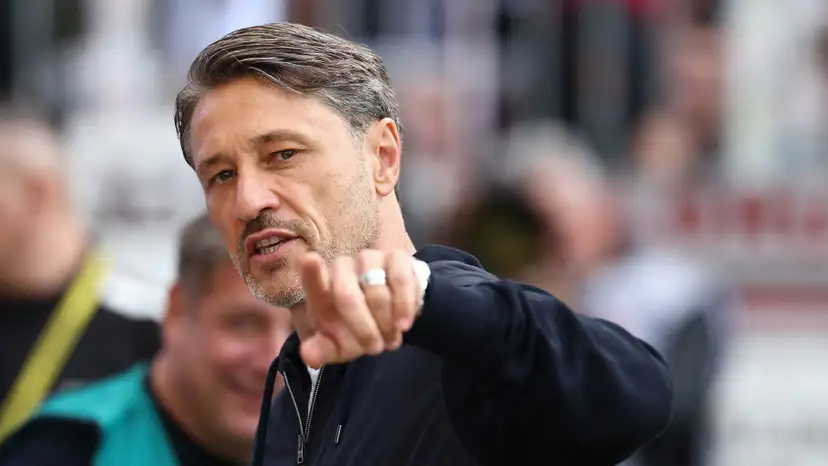
For Niko Kovac, this was about as frustrating an opening-day result as possible. His side had shown attacking flair, with Guirassy, Anton, and Brandt all on the scoresheet. For much of the match, Dortmund looked sharper, quicker, and more composed than in the late stages of last season. Yet all of that was undone by six chaotic minutes at the end.
Now, the pressure is firmly on Dortmund’s manager and his squad. The next Bundesliga fixture, against Union Berlin, becomes more than just another game. It is a test of mentality, resilience, and response. Can Dortmund bounce back immediately, showing the maturity to close out matches, or will the scars of the St Pauli collapse linger?
Conclusion: A Lesson Dortmund Must Learn
Tactics come and go in football. Sometimes innovation brings rewards; sometimes it brings ridicule. What happened against St Pauli was not just about one failed kick-off routine. It was about the psychological message Dortmund sent to their opponent, and the ease with which they allowed pressure to overwhelm them.
For a club with title ambitions, dropping points in such a fashion is unacceptable. Fans know it, pundits know it, and perhaps most importantly, the players themselves know it. The only way forward is to respond — not with excuses, but with a statement performance against Union Berlin.
Until then, the words of Dietmar Hamann will hang heavy in the air: “They’re afraid.”


There are no comments yet. Be the first to comment!