
















































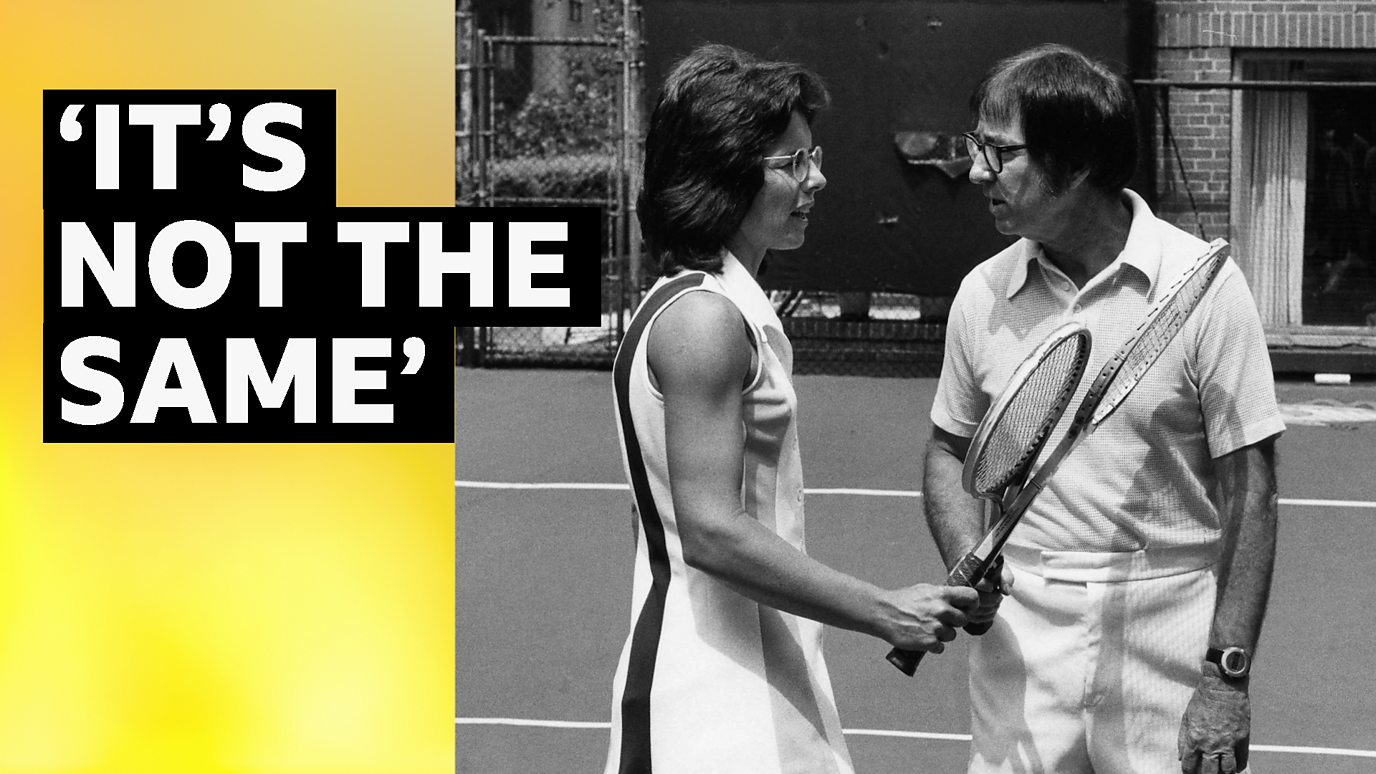
‘Mine Was for Social Change’: Billie Jean King Says Today’s ‘Battle of the Sexes’ Is Not the Same
Billie Jean King compares her Battle of the Sexes legacy to the Sabalenka vs Kyrgios exhibition
When Billie Jean King speaks about equality in sport, the world usually listens. And this week, as excitement builds around the upcoming ‘Battle of the Sexes’ showdown between Aryna Sabalenka and Nick Kyrgios, the tennis icon made it clear: whatever happens in Dubai on 28 December, this is not her Battle of the Sexes revisited. Not even close.
King, now 82 and still regarded as one of the most influential athletes of the 20th century, has never hidden the fact that her 1973 clash against Bobby Riggs was more than just a tennis match. It was a cultural moment, an event that shaped conversations about gender equality far beyond the sport.
So when the BBC asked her whether she sees any parallels between her era-defining match and the upcoming Sabalenka-Kyrgios exhibition, she didn’t hesitate.
“The only similarity is that one is a boy and one is a girl,” she said. “Everything else, no. Ours was about social change… This one is not.”
Rewind to 1973: King’s Battle of the Sexes changed sport forever
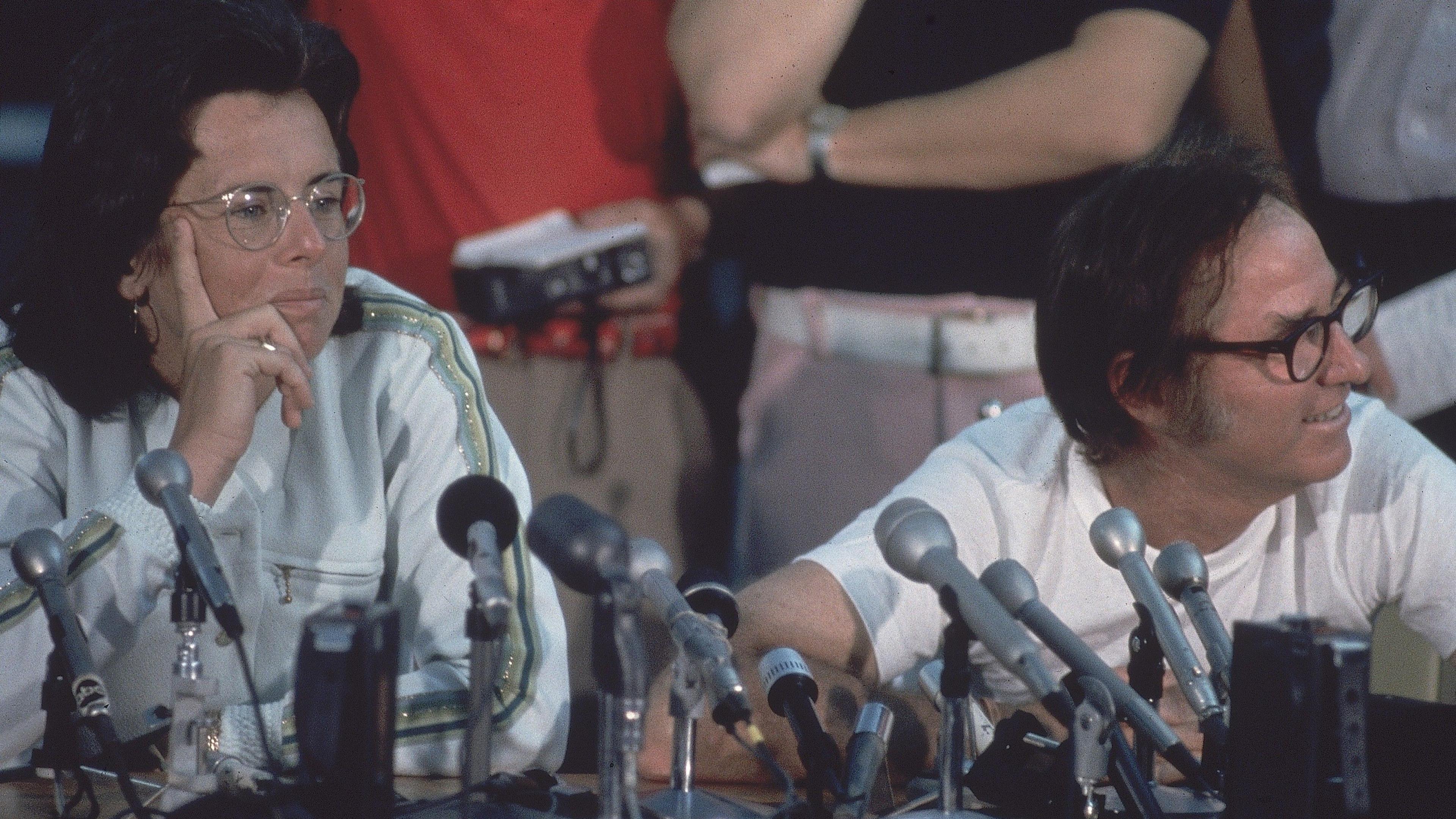
Billie Jean King and Bobby Riggs at a news conference for the Battle of the Sexe in 1973
King’s match against Riggs wasn’t designed as a spectacle—it became a political lightning bolt. On a September night in Houston, she stepped onto the court knowing that millions around the world were watching, not to be entertained but to see what the result might represent. Riggs, then 55 and a former Grand Slam champion, had spent months portraying himself as a proud chauvinist, calling women’s tennis inferior and inviting the world to laugh along.
King understood exactly what was at stake.
She beat him 6-4, 6-3, 6-3 in front of an estimated 90 million viewers worldwide, and the victory became one of the most symbolic moments in sports history. She didn’t win just for herself, but for an entire movement fighting for respect, recognition, and equal opportunity.
“It was rough, culturally, what was coming in with it,” she told the BBC. “I knew I had to beat him for societal change. I had a lot of reasons to win.”
Her win helped strengthen the foundation of the newly formed Women’s Tennis Association, which she founded earlier that same year. It came three years after the Original 9—King and eight fellow players—broke away from tennis authorities to demand equal treatment. It coincided with the rise of Title IX, legislation that transformed opportunities for women in sports and education across the United States.
None of that is the case in 2024.
And King made sure nobody tries to pretend otherwise.
Sabalenka vs Kyrgios: entertainment, not evolution
The upcoming exhibition between Aryna Sabalenka, the world No.1, and Nick Kyrgios, the 2022 Wimbledon finalist, is being marketed using the same iconic ‘Battle of the Sexes’ label. But unlike King’s cultural fight, this contest is clearly positioned as a showcase—an entertainment product.
“I hope it’s a great match,” King said. “I want Sabalenka, obviously, to win. But it’s just not the same.”
It will be a best-of-three format rather than her historic best-of-five battle, and the court itself will be altered. Sabalenka’s side will be 9% smaller, a decision organisers justified by claiming data shows female players move roughly 9% slower than men.
“I played Bobby three out of five sets. I played on a court and didn’t change anything,” she said. “I said, ‘look, I play straight up or I’m not going to play’. And Bobby loved it.”
The rules in Dubai feel more like a made-for-TV twist than a sporting statement.
Can it damage women’s tennis—or is it harmless fun?
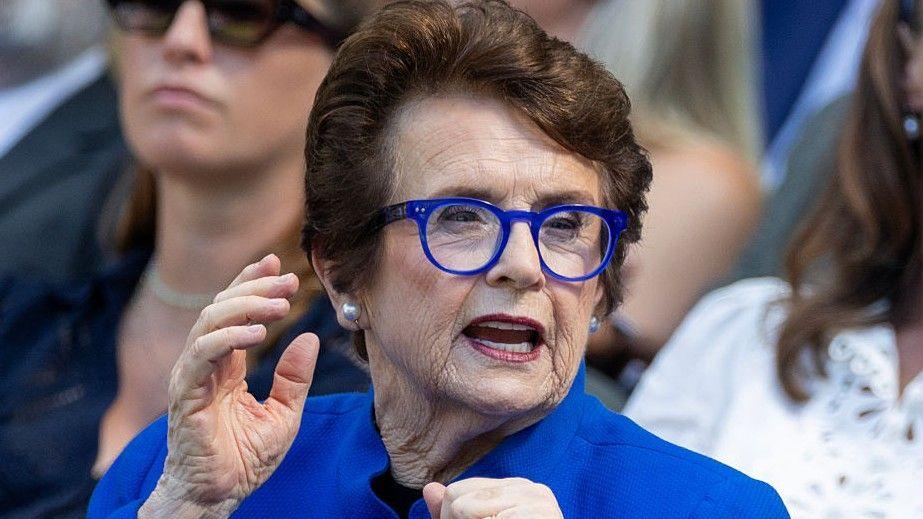
Opinions around the tennis world vary. Some see the match as a light-hearted event to end the season. Others worry that if Sabalenka loses, it could fuel outdated narratives about the women’s game. Sabalenka didn’t appear fazed when asked whether the match could undermine her or the sport.
“We’re there to have fun and bring great tennis,” she said. “Whoever wins, wins.”
King, diplomatic but cautious, wasn’t ready to predict the consequences.
This point clearly matters to her. Decades of false narratives have followed women athletes, and King is fiercely protective of how women’s tennis presents itself.
“We talk about our entertainment value. Sometimes a women’s match ends up being better than a guy’s match. I get upset when people say we think we are better. We have never said that.”
The Kyrgios factor
The involvement of Nick Kyrgios has also triggered debate. The Australian’s talent is unquestioned, but his off-court controversies continue to divide opinion. He admitted assaulting an ex-girlfriend in 2021 and previously engaged with content from influencer Andrew Tate before distancing himself.
These concerns have led some to question whether he is the right figure to headline a match linked—historically, at least—to women’s empowerment. But organisers remain committed, and Kyrgios himself has embraced the role without much hesitation.
For King, however, this event is ultimately just that: an event. A show. Something separate from the legacy she built.
A reminder of what King’s victory meant
What separates 1973 from 2024, in King’s eyes, is purpose. Her match against Riggs came at a flashpoint in history—during a social justice movement, during the formation of the WTA, during fierce political debate over gender roles, and during the rise of Title IX.
Her battle wasn’t just about winning points. It was about proving something to a world resistant to change.
“Mine was really political,” she said. “Culturally, what was coming in with it… It was rough.”
The Sabalenka-Kyrgios match, she explained, carries none of that weight. It is not positioned as a referendum on equality. And, frankly, she doesn’t want it to be.
Still, the spotlight remains
The match will be broadcast live on the BBC, and with Sabalenka at the peak of her powers and Kyrgios always capable of spectacle, it will likely draw strong viewership. But thanks to King’s words, it now comes with context—a reminder that the real Battle of the Sexes has already been fought.
And won.


There are no comments yet. Be the first to comment!