





























Ossie Ardiles Explains How Tottenham Can Get Out of ‘Big, Big Trouble’ in Passionate Message to Players
Ossie Ardiles Explains How Tottenham Can Get Out of ‘Big, Big Trouble’ as Relegation Fears Grow
There are moments in a football club’s history when the noise becomes impossible to ignore. The whispers turn into debates, the debates into panic. For Tottenham Hotspur, that moment has arrived.
And when things begin to feel unstable in north London, voices from the past tend to carry more weight than most.
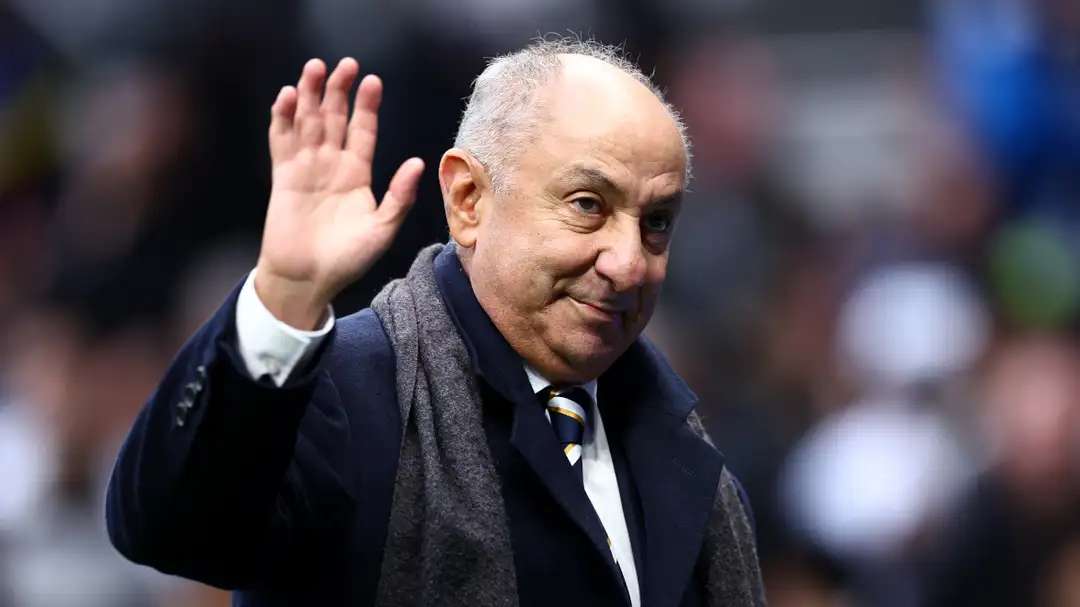
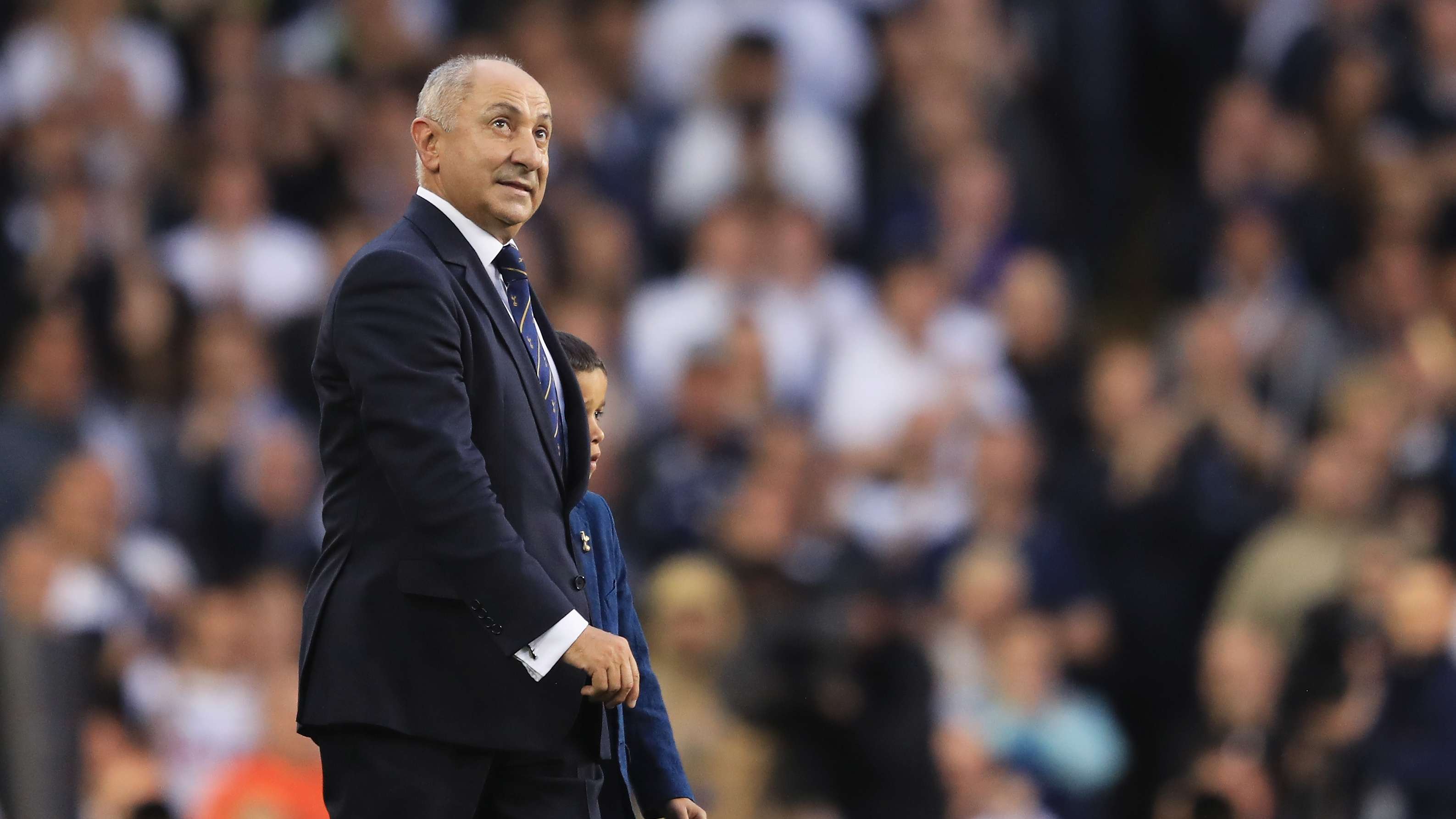
This week, Ossie Ardiles did not sugar-coat the situation. The World Cup winner, Spurs icon and former manager delivered a passionate, almost pleading message to the club he still considers home. His warning was stark.
Tottenham, he admitted, could soon find themselves in “big, big trouble.”
It is not the kind of language typically associated with a club of Spurs’ stature. Yet after a 2-1 defeat to Fulham FC, leaving them hovering just four points above the relegation zone, denial is no longer an option. Two wins in 19 matches. Sixteenth place in the table. The only side yet to register a league victory in 2026.
These are not statistics befitting a club that once chased titles and graced European finals.
A Club Legend’s Plea for Unity
Ardiles understands Tottenham’s identity better than most. As a player, he was part of the side that lifted back-to-back FA Cups in 1981 and 1982. As a manager in the early 1990s, he tried to restore a sense of attacking romance to White Hart Lane. His bond with Spurs stretches beyond contracts and eras.
Speaking ahead of a pivotal clash with Crystal Palace FC, Ardiles laid out what he believes is the only path forward: unity. Total, unwavering unity.
“Our job — everybody at the club — is to go behind the team,” he said. “We are OK right now but we could be in big, big trouble. Everybody has to be together to achieve what we want. Survive this season, and then we’ll see what happens next.”
There was no grand tactical blueprint offered. No deep dive into formations or pressing triggers. Just a reminder that survival in moments like this is rarely about systems. It is about spirit.
Ardiles’ message was directed not just at the players, but at the entire Tottenham ecosystem — management, staff, supporters. In a crisis, fractures become fatal. Criticism, even when justified, can tip fragile confidence into freefall.
A Historic Slump Spurs Never Saw Coming
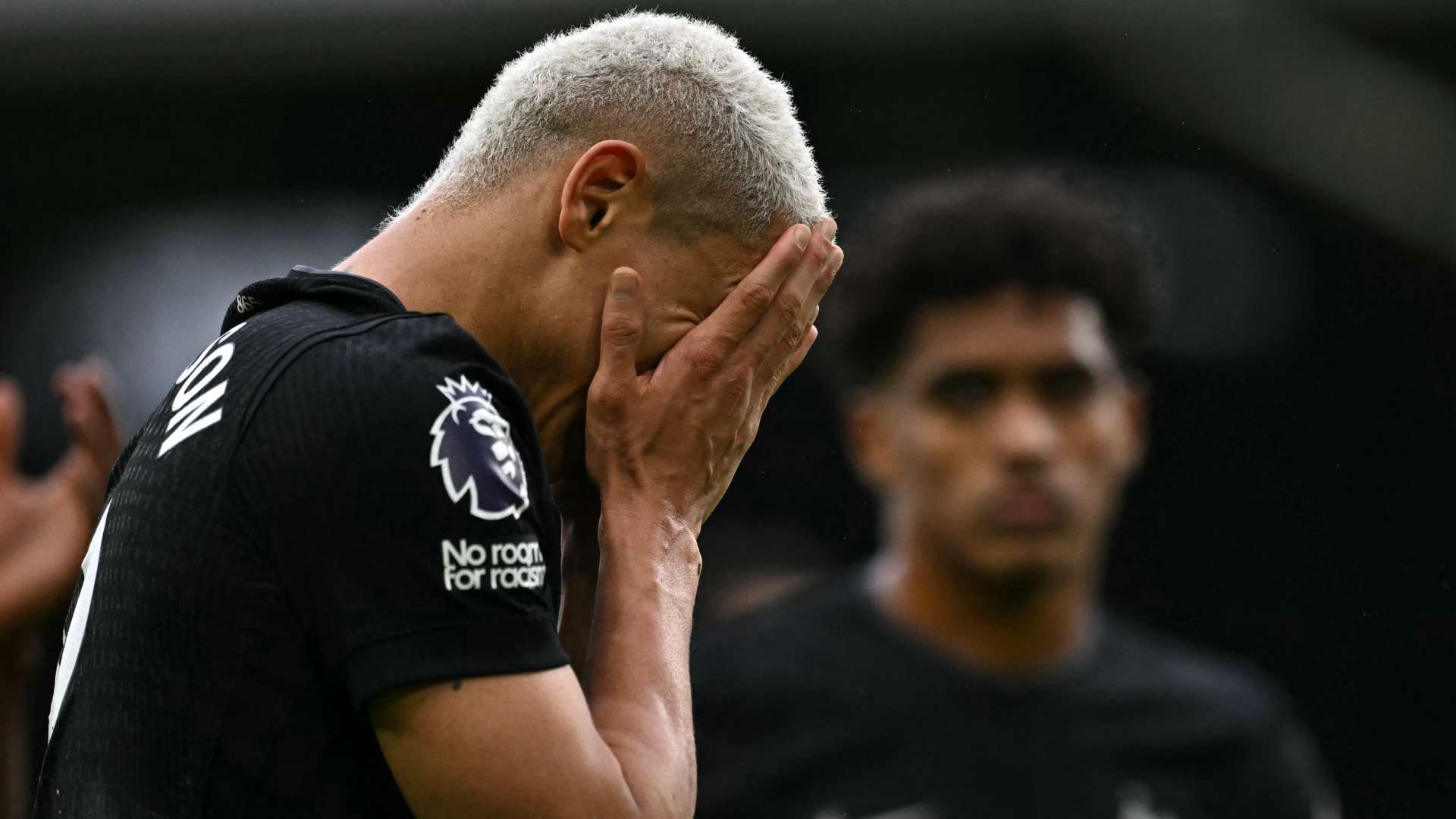
Richarlison Tottenham 2025-26
It is difficult to overstate how dramatic this downturn has been.
Tottenham have equalled a club record of ten matches without victory. Their form across the last five months is the worst the club has endured in three decades. The slide has been steady, almost cruelly incremental, as performances have oscillated between flat and frantic.
Injuries have certainly played their part. Several senior players have spent long spells on the treatment table, forcing makeshift backlines and unbalanced midfield combinations. But injuries alone cannot explain a psychological drift of this magnitude.
Interim boss Igor Tudor has inherited a dressing room low on belief. Known for his intensity and emphasis on physical duels, Tudor recently challenged his squad to stop hiding behind tactical discussions.
“It’s about winning your battles,” he insisted publicly. “Not just talking about structure.”
Those comments hint at deeper concerns — about resilience, about leadership on the pitch, about whether this group possesses the steel required for a relegation scrap.
For a generation of Tottenham supporters accustomed to debates about Champions League qualification, the mere suggestion of a survival fight feels surreal.
The Shadow of St Totteringham’s Day
Tottenham Hotspur v Manchester United – Premier League
If there was any lingering denial, it evaporated when Arsenal FC supporters celebrated St Totteringham’s Day earlier than ever before. That annual moment when Arsenal can no longer be caught by Spurs in the table has traditionally been a minor irritant.
This year, it landed like a punch.
The rivalry amplifies everything in north London. Arsenal’s ascent towards the top end of the table has thrown Tottenham’s descent into harsher relief. The contrast is uncomfortable, unavoidable.
But Ardiles refuses to indulge in rivalry narratives. For him, the equation is brutally simple: survive first. Repair later.
The Fixture List Offers No Comfort
Tottenham’s run-in reads like a stress test.
Trips to Liverpool FC and Chelsea FC loom — grounds where even in stable seasons points are hard-earned. More ominously, there are “six-pointer” clashes against fellow strugglers such as Nottingham Forest FC and Sunderland AFC.
In relegation battles, those direct encounters often define destiny.
The margin for error has evaporated. One slip becomes two. Two become a narrative. And narratives, in football, gather pace quickly.
Supporters sense it. The atmosphere around the stadium has shifted from frustration to anxiety. Every misplaced pass draws a collective intake of breath. Every conceded goal feels heavier than the last.
Ardiles knows that tension can infect players.
“When you play for Tottenham, you carry history,” he has often said in the past. That history now feels like both burden and motivation.
Perspective from a Different Arena
Ardiles’ rallying cry came during an event far removed from league tables and tactical boards.
He was attending a gathering in Harlow to celebrate the 100th park bench unveiled by “Legend On The Bench,” a mental health charity founded by former Spurs teammate Micky Hazard and his sister Michelle. Joined by club icons Pat Jennings and Gary Mabbutt, Ardiles helped mark a milestone that speaks to football’s power beyond the pitch.
The charity, established in memory of Hazard’s nephew Jay, places benches in parks across the country to provide safe spaces for conversation and mental health support.
For Ardiles, the event offered a reminder that perspective matters.
“Yes, it is a wonderful achievement,” he said warmly. “Micky is the driving force. I come, take pictures and talk a lot of rubbish — but the hard work is all down to him.”
There was humility in that comment. And perhaps a subtle message for Tottenham’s current squad.
Football careers, like league positions, are transient. What endures is character — how you respond when circumstances turn hostile.
Survival Before Rebuild
The temptation in modern football is to fast-forward. To talk about summer transfer windows, managerial futures, structural reform. Tottenham supporters, understandably, have begun speculating about all three.
Ardiles is not interested.
“Survive this season,” he repeated. “Then we’ll see.”
It may sound basic, even reductive. But relegation battles strip the game to its essentials. Clear lines. Clear roles. Clear priorities.
For Tottenham, survival would not be a triumph — but it would be a reset button.
There is enough quality within the squad to avoid the drop. But quality without cohesion is brittle. Ardiles’ plea is fundamentally about rediscovering togetherness.
Players trusting each other. Fans resisting the urge to turn on individuals. Staff insulating the dressing room from external noise.
In many ways, it is a call to rediscover what Spurs once represented during Ardiles’ era: expressive football underpinned by collective belief.
A Season on the Brink
As Thursday’s meeting with Crystal Palace approaches, the stakes could scarcely feel higher. Three points would not solve everything. But they would breathe. They would ease the suffocating sense of inevitability that can engulf struggling teams.
Lose again, and the phrase “big, big trouble” may begin to feel understated.
Tottenham’s history is rich with dramatic escapes and stirring comebacks. Yet history does not earn points. Only performances do.
Ardiles has done his part — speaking candidly, urging solidarity, reminding everyone of what is at risk.
Now it falls to the current squad to respond.
Survival may not be glamorous. It may not fit the narrative Spurs envisioned at the start of the campaign. But in this moment, it is everything.
Because for a club of Tottenham’s stature, relegation is unthinkable.
And as Ossie Ardiles so passionately warned, the time to act — together — is now.


There are no comments yet. Be the first to comment!