















































Should the Winter Paralympics Move Earlier? Milan-Cortina Conditions Spark Debate About the Future of the Games
Winter Paralympics Under the Spotlight as Warm Conditions Raise Questions About Scheduling
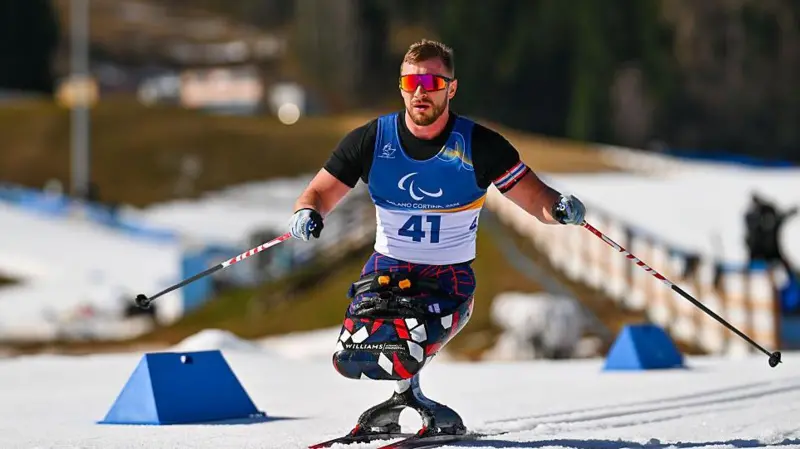
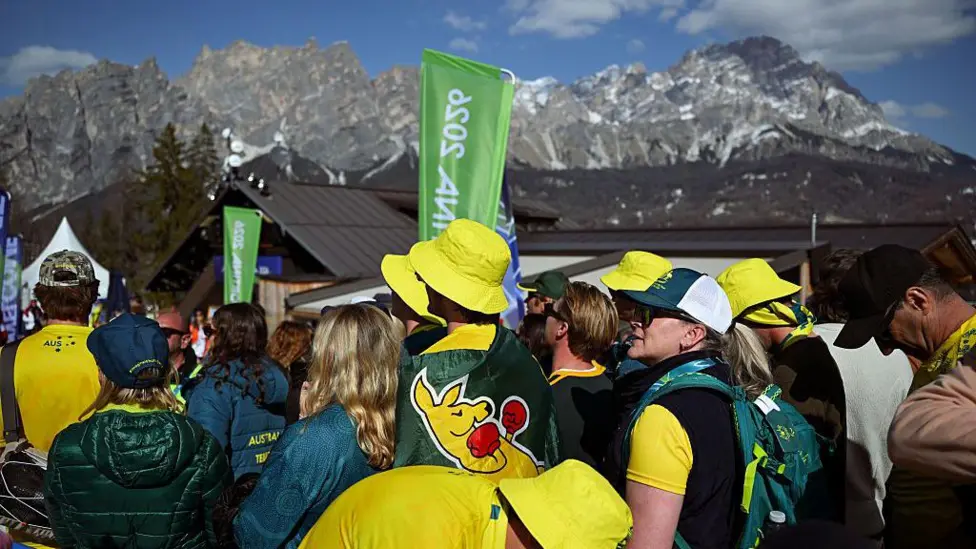
When athletes compete in snow sports wearing T-shirts while spectators apply suncream in the stands, it naturally raises a question: are we watching the Winter Games or the Summer ones?
That strange contrast has become part of the conversation surrounding the latest edition of the Winter Paralympics at the Milan‑Cortina 2026 Paralympic Winter Games. Warm weather, soft snow and unpredictable course conditions have left some competitors wondering whether the event should continue to be held in March — or whether the calendar itself needs to change.
The debate gained traction after American para-alpine skier Patrick Halgren jokingly described the atmosphere at Cortina as “tropical,” comparing the feeling of racing on soft snow to surfing.
It sounded like exaggeration at first. Yet the reality behind those comments has become difficult to ignore.
Spring Conditions at the Winter Paralympics
Since the 1992 Games, the Winter Paralympics have traditionally taken place in March, usually beginning around two weeks after the conclusion of the Winter Olympic Games.
That schedule has generally worked well from an organisational standpoint. It allows venues, infrastructure and media coverage to carry over from the Olympics to the Paralympics. However, it also means the competition often occurs when winter is already beginning to fade in many host regions.
In recent editions of the Games, that reality has been increasingly visible.
During the 2022 event in Beijing, temperatures reached as high as 26°C — conditions that felt more like late spring than mid-winter. The 2026 Games in Cortina have not quite reached those extremes, but athletes have still faced unusually warm weather.
Until a major snowfall arrived overnight before the final day of competition, most of the snow visible at the venues had been carefully groomed onto the courses rather than naturally covering the mountains.
For competitors who depend on consistent snow quality, those conditions create real challenges.
Slushy Slopes and Difficult Racing
Warm temperatures combined with sunshine and occasional rain transformed many race surfaces into soft, slushy snow. Instead of the firm, predictable surface athletes prefer, competitors often found themselves battling snow that stuck to their skis or boards.
For British visually impaired skier Fred Warburton, the experience was memorable — though not necessarily in a positive way.
Warburton described one giant slalom course as resembling “a bathtub of Slush Puppie,” a vivid image that quickly spread through the skiing community.
His guide, James Hannan, explained how difficult the conditions were to manage.
According to Hannan, the snow changed from gate to gate during the race, meaning athletes could never be entirely sure how their skis would react when turning. In such circumstances, the competition becomes less about technical perfection and more about simply surviving the course.
The statistics from the sitting category illustrated the problem clearly. Out of 37 competitors, 18 failed to finish the race.
When nearly half the field cannot reach the bottom of the slope, questions naturally follow.
Athletes Call for a Rethink of the Winter Paralympics Calendar
Warburton believes the time has come to examine the schedule more closely.
He suggested that both the Paralympics and Olympics should be staged under conditions that allow athletes to perform at their best. When snow becomes too soft or inconsistent, the spectacle suffers — and so does safety.
His comments echo those of retired American snowboarder Amy Purdy, a multiple Paralympic medallist who recently sparked debate in a social media video.
Purdy argued that the current timing of the Games might no longer make sense in a warming climate. Her remarks followed several crashes during snowboard cross training sessions, incidents partially attributed to course design but also influenced by the soft snow.
In short, athletes are beginning to ask whether the “Winter” Games are happening too late in the winter season.
Why Changing the Winter Paralympics Schedule Is Complicated
While the idea of moving the event earlier may sound simple, in practice it would be extremely complex.
According to Craig Spence from the International Paralympic Committee, the Winter sports calendar is tightly interconnected.
If the Paralympics were moved earlier, the Olympics would likely need to shift as well. That decision would involve multiple stakeholders, including the International Olympic Committee, international sport federations, broadcasters and event organisers.
The weeks leading up to the Games are already filled with World Cup competitions and championship events across various winter sports.
In other words, adjusting the calendar would require a coordinated global effort.
Climate Change and the Future of the Winter Paralympics
Even if the schedule remains unchanged for now, the long-term challenge is clear: climate change is already reshaping winter sport.
In 2023 the IOC warned that by 2040 only around ten countries may still have reliable natural snow conditions suitable for hosting Olympic-level winter sports.
Artificial snow has therefore become essential.
At Milan-Cortina 2026, organisers produced around 1.8 million cubic metres of artificial snow for both the Olympics and Paralympics. While that figure is enormous, it was actually lower than the initial estimate of 2.4 million thanks to heavy snowfall during the Olympic period.
Still, relying on artificial snow is increasingly becoming the norm.
For Andrew Parsons, this reality represents a permanent concern. The availability of reliable winter venues is shrinking, which means future host cities must be chosen even more carefully.
Higher Altitudes May Be the Key
One solution already being implemented is selecting venues at higher altitudes.
The alpine skiing events at the 2030 French Alps Paralympic Winter Games will take place in Courchevel, a resort significantly higher than Cortina. Likewise, the alpine competitions at the 2034 Winter Paralympics will be staged at Snowbasin in the United States.
Higher altitude typically means colder temperatures and more reliable snow conditions.
But even those venues cannot fully escape the broader impact of a warming climate.
Safety Remains the Biggest Concern
For athletes, the debate goes beyond performance and fairness.
Safety is also at stake.
Three-time Paralympic gold medallist Brenna Huckaby made that point clearly when discussing the risks of competing in unstable conditions.
Huckaby emphasised that athletes want to put on the best possible show for fans and represent the disability community proudly. But they also have limits.
Many competitors, like Huckaby, balance elite sport with family life and personal responsibilities. Taking unnecessary risks on dangerous surfaces simply isn’t an option.
Could the Winter Paralympics Move Earlier?
Research conducted by climate and sport expert Daniel Scott from the University of Waterloo suggests one possible solution.
Scott’s studies indicate that moving the Winter Olympics roughly two weeks earlier could allow the Paralympics to take place in late February rather than March — a period when snow conditions are typically more reliable.
Another idea would involve separating the Paralympics and Olympics by two years, allowing the Paralympic event to be staged during the most stable winter period.
Both proposals would represent a significant shift in how the Games are organised.
Preserving the Identity of the Winter Paralympics
Despite the challenges, the central goal remains clear.
The Winter Paralympics must remain true to their name — a celebration of snow and ice sports performed under genuine winter conditions.
Finding the right balance between global expansion, climate realities and athlete safety will not be easy. Yet discussions are already underway between the IPC, the IOC and various sporting federations to determine the best path forward.
As Andrew Parsons put it simply: the Winter Games should stay winter.
Ensuring that remains possible may require difficult decisions in the years ahead.


There are no comments yet. Be the first to comment!