


























Six Nations Finale Talking Points: France Glory, England Regret and a Tournament That Redefined Modern Rugby
Six Talking Points From the Final Round of the Six Nations That Shaped the Championship
The final weekend of the Six Nations rarely disappoints, but this year’s closing chapter felt different — louder, faster, and emotionally exhausting from the first whistle in Dublin to the last kick in Paris. Titles were won, long waits ended, and narratives shifted in ways that will shape northern hemisphere rugby well beyond this spring.
France ultimately lifted the trophy after surviving a breathtaking shootout against England in Paris, while Ireland finished strongly to secure the Triple Crown and Wales finally ended a painful losing streak that had stretched across three difficult seasons. Scotland, meanwhile, left the tournament with mixed emotions — pride in their progress but frustration at what might have been.
Here are the six defining talking points from a final round that delivered drama worthy of the championship’s rich history.
England Left to Regret Indiscipline in Defining Six Nations Moment
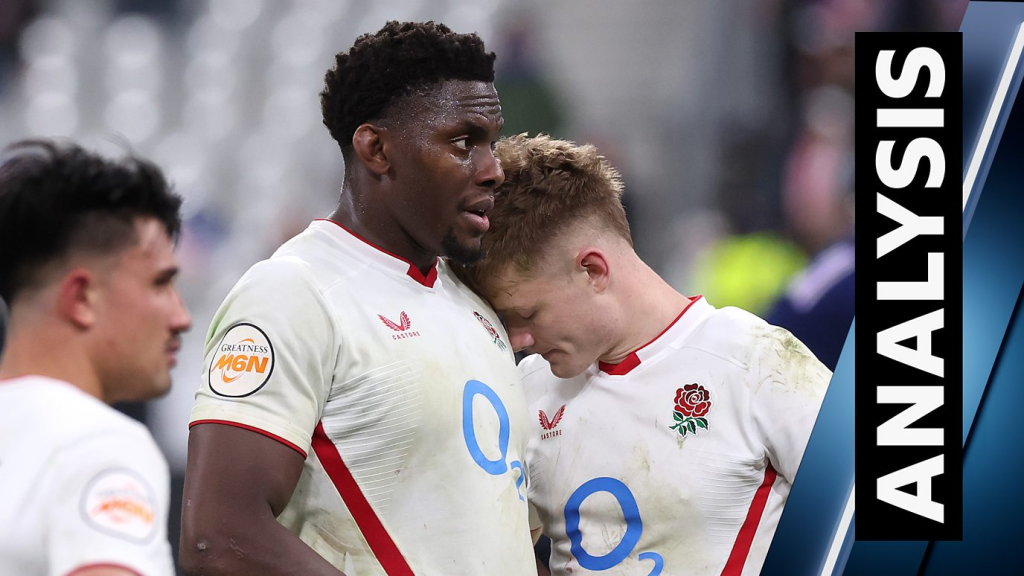
England’s defeat in Paris will linger long in the collective memory — not simply because of the result, but because of how close they came to controlling their own destiny.
For large stretches, England looked capable of spoiling France’s title party. Leading 27–17 late in the first half, they had momentum, structure, and belief. Then came the moment that shifted everything.
A series of rapid penalties allowed France back into attacking territory, culminating in Ellis Genge being sent to the sin bin after the referee judged he had illegally collapsed a maul. What followed was brutal punishment. France scored heavily during England’s reduced numbers, flipping the emotional balance of the contest in a matter of minutes.
It was not an isolated issue. Across the entire championship, England struggled with discipline, conceding penalties at crucial moments and repeatedly finding themselves short-handed. Statistics told a harsh story: eight yellow cards, one red, and dozens of points conceded while down to fourteen players.
The closing moments summed it up perfectly. With England leading 46–45 and victory within touching distance, further infringements handed France a decisive penalty opportunity. Thomas Ramos stepped forward and calmly delivered the kick that secured the title.
For England, the post-match analysis will focus less on tactics and more on composure — specifically, how elite teams manage chaos when matches hang in the balance.
France Crowned Champions Thanks to Bielle-Biarrey’s “Cheat Code” Impact
If England’s story was one of regret, France’s was one of exhilarating evolution.
Les Bleus claimed their eighth Six Nations crown playing rugby that often felt unstoppable. Central to that success was winger Louis Bielle-Biarrey, whose pace and finishing turned tactical kicks into attacking weapons.
Opponents knew exactly what was coming — space targeted behind defensive lines — yet still struggled to stop it. With nine tries in this year’s tournament and an extraordinary strike rate across his Six Nations appearances, Bielle-Biarrey emerged as one of international rugby’s most dangerous players.
France’s attacking blueprint combined speed with intelligence. Ramos’ kicking accuracy and Antoine Dupont’s game management ensured France could shift instantly between structure and improvisation.
The result was a team capable of scoring from anywhere, at any moment — modern rugby played at its most fearless.
Ireland Rebuild Successfully With Triple Crown Triumph
Ireland’s campaign quietly became one of the tournament’s most encouraging stories.
An opening defeat in Paris raised doubts about whether Andy Farrell’s side had entered a transitional phase after several dominant years. Injuries to key backline players only deepened those concerns.
Yet Ireland responded with resilience. Four consecutive victories — capped by an emphatic win over Scotland in Dublin — secured another Triple Crown and reaffirmed the depth of Irish rugby.
New faces stepped forward. Jamie Osborne impressed at full-back, Robert Baloucoune added pace and unpredictability, and Tommy O’Brien seized his opportunity with clinical finishing. Perhaps most striking was Stuart McCloskey’s form, which forced difficult selection decisions despite fierce competition in midfield.
Ireland may not yet resemble the polished side that achieved a Grand Slam in recent seasons, but signs of renewal are unmistakable. With a World Cup approaching, development rather than perfection appears to be the priority — and that strategy seems to be working.
Scotland Show Promise Despite Final-Day Disappointment
Scotland’s campaign defies simple judgement.
Losses at the beginning and end of the tournament prevented a genuine title push, yet victories over Wales, England, and eventual champions France demonstrated the team’s growing ceiling under Gregor Townsend.
Their unforgettable 50-point performance against France stood as one of the tournament’s highlights, showcasing attacking ambition rarely associated with Scottish rugby in previous eras.
However, fatigue appeared to catch up with them in Dublin. Facing a fresher Irish side, Scotland struggled physically during the closing stages, highlighting an ongoing need for greater squad depth.
The disappointment of finishing outside title contention cannot erase the progress made. Scotland now look capable of beating anyone — consistency remains the final hurdle.
Wales Finally End Their Six Nations Drought
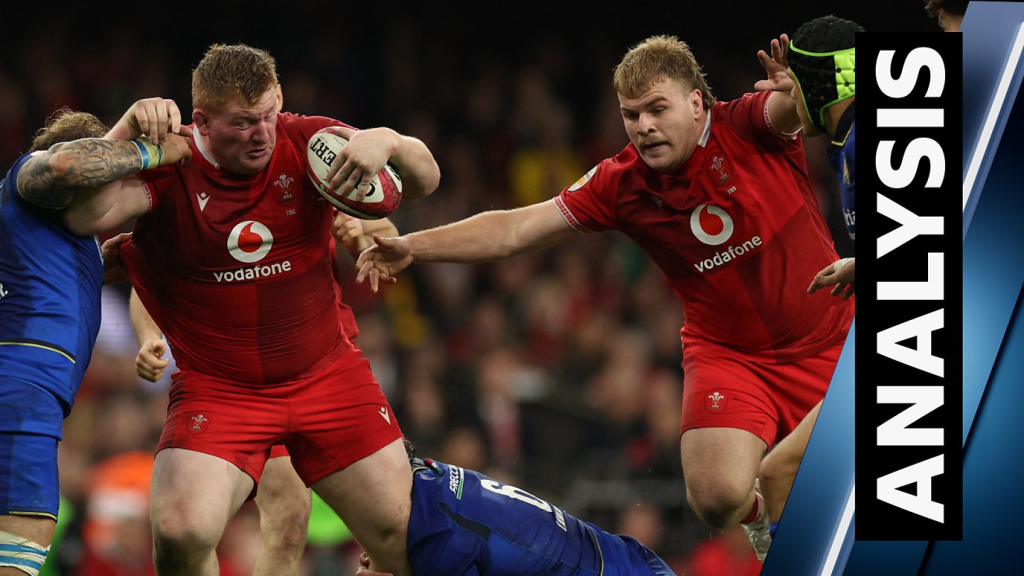
Few moments during the championship were greeted with as much relief as Wales’ victory over Italy in Cardiff.
A three-year wait for a Six Nations win had weighed heavily on players and supporters alike. Early struggles this season suggested the drought might continue, especially following a difficult opening defeat against England.
Instead, Wales delivered one of their most composed performances in recent memory, racing into a commanding halftime lead before holding off an Italian comeback.
The atmosphere inside the stadium reflected more than just a single victory. Confidence returned, belief resurfaced, and signs emerged that the rebuilding process under Steve Tandy may finally be taking hold.
Physicality — previously questioned — looked restored, and the connection between team and supporters felt renewed.
The 2026 Championship May Be the Best Six Nations Yet
Beyond individual teams, the biggest winner might have been the tournament itself.
The 2026 Six Nations produced a record-breaking number of tries since Italy joined the competition, reflecting a broader shift in how international rugby is played. Attack is no longer merely an option; it is becoming a necessity.
Matches increasingly resemble tactical shootouts where scoring 30 points guarantees nothing. Defensive systems remain sophisticated, yet attacking innovation continues to evolve faster.
What made this tournament special, however, was balance. High scoring did not come at the expense of rugby’s traditional elements. Scrums remained fiercely contested, mauls proved decisive, and physical collisions shaped momentum as much as creativity did.
The Paris finale embodied that blend perfectly — explosive attack combined with raw forward power and relentless intensity.
For fans, it was rugby at its most compelling. For coaches, perhaps slightly terrifying.
A Six Nations That Signals Rugby’s Future
As the dust settles, one conclusion feels unavoidable: the Six Nations is entering a new era.
France have set the attacking benchmark. Ireland are rebuilding intelligently. Scotland are closing the gap. Wales are rediscovering belief. England, despite frustration, remain dangerously competitive if discipline improves.
More importantly, the tournament itself continues to evolve into one of sport’s most unpredictable and entertaining championships.
If this final round proved anything, it is that modern rugby rewards courage — tactical courage, attacking courage, and emotional resilience.
And if the future looks anything like this Six Nations finale, supporters across Europe will already be counting the days until next year’s kickoff.


There are no comments yet. Be the first to comment!