


















































“The Hypocrisy”: Gary Lineker Slams Sir Jim Ratcliffe as Man Utd Co-Owner Faces Backlash Over Immigration Comments
Gary Lineker Accuses Man Utd Co-Owner Sir Jim Ratcliffe of “Hypocrisy” After ‘Colonised by Immigrants’ Remark
It was meant to be a business-focused appearance. Instead, it has spiralled into a political and cultural storm that now stretches from Westminster to Old Trafford.
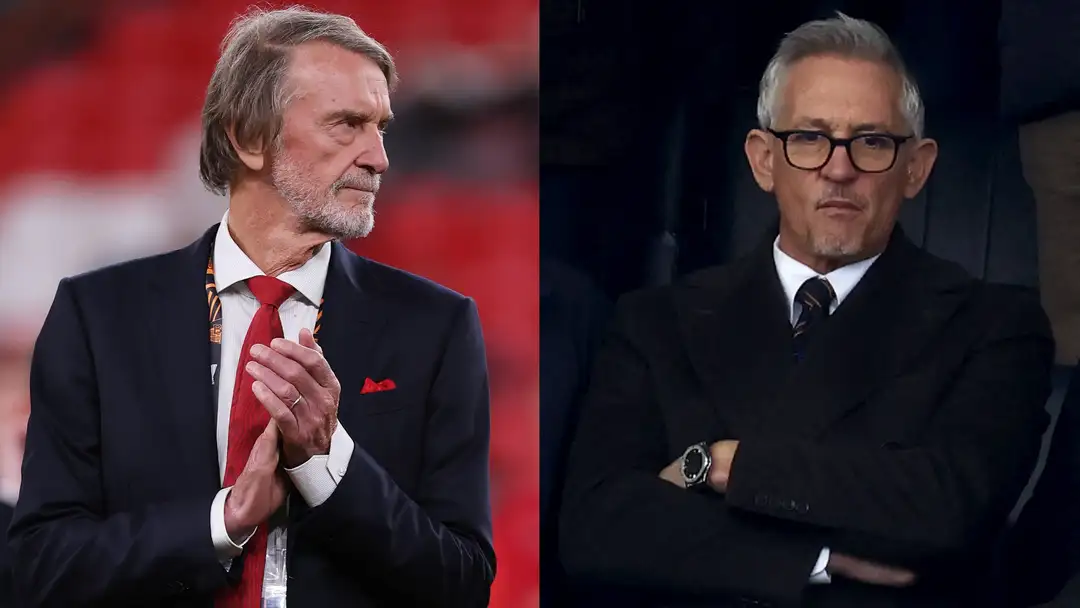
Manchester United co-owner Sir Jim Ratcliffe has found himself at the centre of fierce criticism after claiming the United Kingdom had been “colonised by immigrants” during an interview at the European Industry Summit in Antwerp. The remark triggered swift condemnation from political leaders, drawn scrutiny from football authorities, and now prompted an unusually pointed response from former England striker Gary Lineker.
In a week when United’s on-field revival under Michael Carrick should have dominated headlines, the spotlight has instead been fixed firmly on the boardroom.
Ratcliffe’s Comments Ignite Political and Football Backlash
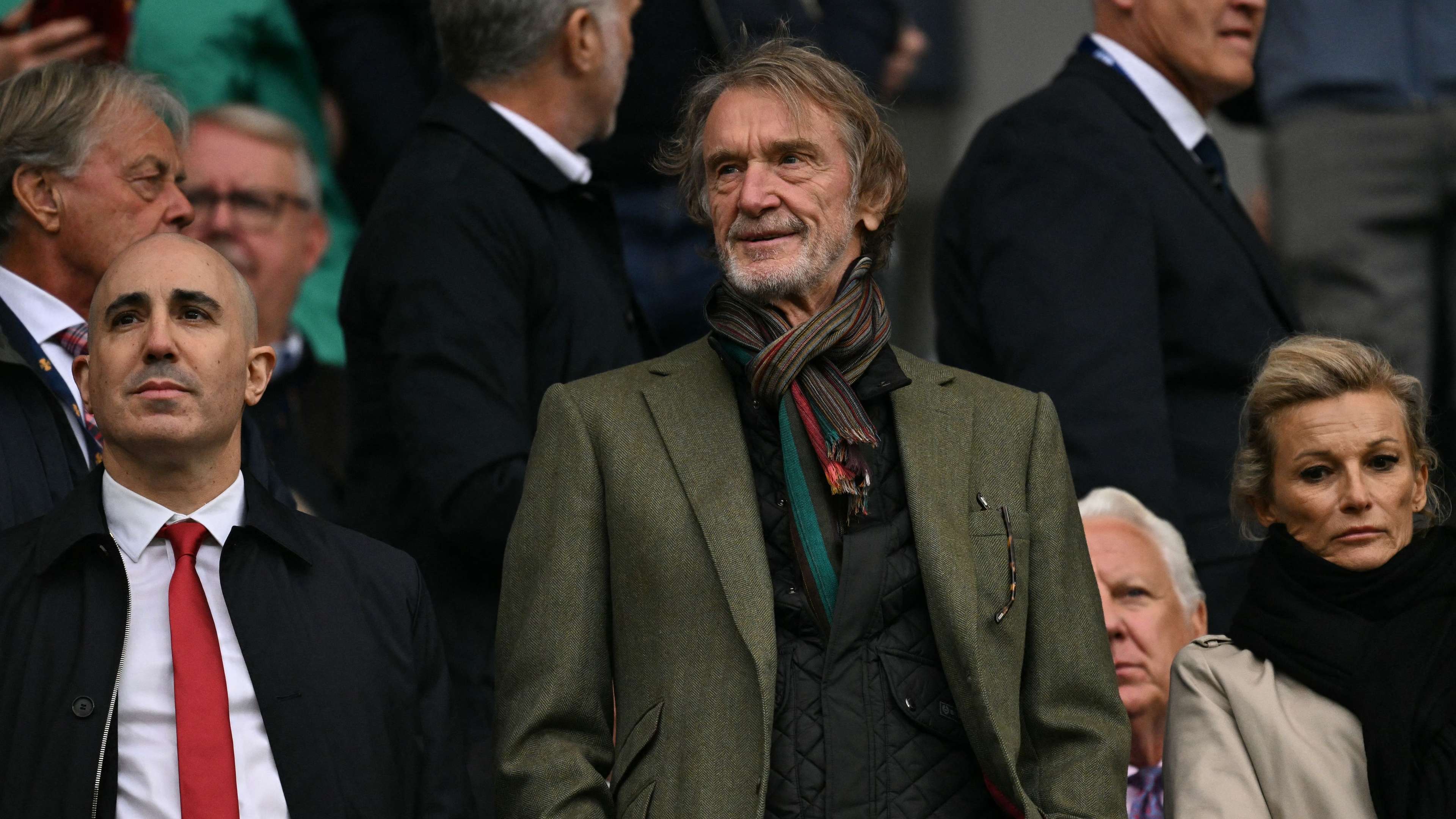
Ratcliffe is not just any businessman
Ratcliffe’s language was described as “offensive and wrong” by Prime Minister Keir Starmer, while Greater Manchester Mayor Andy Burnham called the billionaire’s remarks “inaccurate, insulting and inflammatory.”
The criticism was immediate and intense. Ratcliffe, who resides in Monaco and built his fortune through chemicals giant Ineos, responded with a carefully worded statement. He apologised for the offence caused by his “choice of language” but insisted his broader point concerned the need for controlled and well-managed immigration aligned with economic growth, skills investment and job creation.
He framed his comments as part of a wider discussion about manufacturing and prosperity in the UK. He also emphasised the importance of maintaining open debate around migration policy.
Yet for many observers, the damage was already done.
In football, context matters. Manchester United are not simply a company with a balance sheet. They are a global institution built on diversity — from players and staff to supporters spread across continents. Any language perceived as exclusionary carries weight far beyond politics.
“The Hypocrisy I Find Difficult”: Lineker’s Verdict
It was on the Rest is Football podcast that Gary Lineker delivered his most cutting assessment. Calm in tone but firm in substance, Lineker questioned not just the wording but the credibility behind it.
“The hypocrisy I find difficult,” he said.
Lineker pointed to Ratcliffe’s residence in Monaco, suggesting that someone living abroad for economic reasons might think carefully before criticising migration patterns at home. His argument wasn’t purely political; it was moral.
“You can have a gripe all you like,” Lineker remarked, “but at least be here, pay taxes, and contribute to our society.”
The implication was clear. In Lineker’s view, there is a contradiction between criticising immigration while personally benefiting from global mobility.
He also broadened the lens. Many migrants to the UK, he noted, contribute substantially in taxes and public services. In contrast, he hinted, high-net-worth individuals who relocate abroad often do so to reduce tax burdens.
Then came the footballing angle — perhaps the most pointed of all.
Ratcliffe is not just any businessman. He is one of the owners of Manchester United, a club whose success has historically relied on overseas talent. From European icons to African and South American stars, United’s identity has long been international.
“When he’s talking about colonised with immigrants,” Lineker asked, “is it OK that you’re a white person living abroad, not a brown or black person?”
It was a rhetorical question, but it cut through the noise.
Manchester United’s Identity and the Immigration Debate
Manchester United’s own response was swift and measured. The club reiterated its commitment to inclusivity and diversity, highlighting its “All Red All Equal” campaign launched in 2016. The statement underlined that United’s players, staff and global supporters reflect the history and heritage of Manchester — a city shaped profoundly by migration.
That history is undeniable. Manchester’s industrial rise drew workers from Ireland, the Caribbean, South Asia and beyond. The football club grew alongside that multicultural fabric.
On the pitch today, United’s squad is similarly international. Players from Europe, Africa and South America wear the red shirt. Their stories are often journeys of migration — some economic, some political, all human.
For supporters, especially in a city that prides itself on openness, Ratcliffe’s words jarred against that reality.
The FA Inquiry and Broader Implications
The Football Association has reportedly begun reviewing Ratcliffe’s comments to determine whether they bring the game into disrepute. That development alone underscores how deeply intertwined football and society have become.
Owners are no longer distant financiers. Their words shape brand identity, influence dressing-room culture and affect fan sentiment. In a league as global as the Premier League, perception matters enormously.
If football prides itself on anti-racism campaigns, community outreach and international unity, then ownership rhetoric must align with those values.
Ratcliffe may argue that his comments were economic rather than cultural. But in a sport built on symbolism, nuance often gets lost.
Timing: On-Field Revival Overshadowed
What makes this episode particularly striking is its timing.
United have quietly steadied themselves under interim manager Michael Carrick. Since replacing Ruben Amorim, Carrick has overseen a five-match unbeaten run. Confidence is tentatively returning. The race for a top-four finish is alive.
Yet instead of analysing tactical tweaks or Benjamin Sesko’s impact, discussion has been hijacked by ownership controversy.
For players, such external noise can be distracting. Dressing rooms thrive on clarity and shared purpose. Public disputes at ownership level risk unsettling that equilibrium.
What Comes Next for Sir Jim Ratcliffe and Man Utd?
Ratcliffe’s apology addressed tone, not substance. Whether that will satisfy critics remains uncertain.
Political pressure may subside, but fan sentiment lingers longer. Supporters expect owners to reflect the values of their club. For many, especially in Manchester’s diverse communities, this episode feels personal.
Lineker’s criticism resonated because it tapped into that emotional layer. Football clubs are tribal institutions. They belong to cities, not balance sheets.
Ratcliffe now faces a delicate balancing act. Rebuilding trust requires more than statements; it demands engagement and clarity. Meanwhile, United’s footballing project continues, somewhat uneasily, beneath the headlines.
As the team prepare to face Everton on February 23, the hope within Old Trafford will be that attention returns to performances rather than politics.
But one thing is certain: in modern football, ownership carries not just financial responsibility, but moral scrutiny.
And for Sir Jim Ratcliffe, that scrutiny is unlikely to fade anytime soon.


There are no comments yet. Be the first to comment!