




























































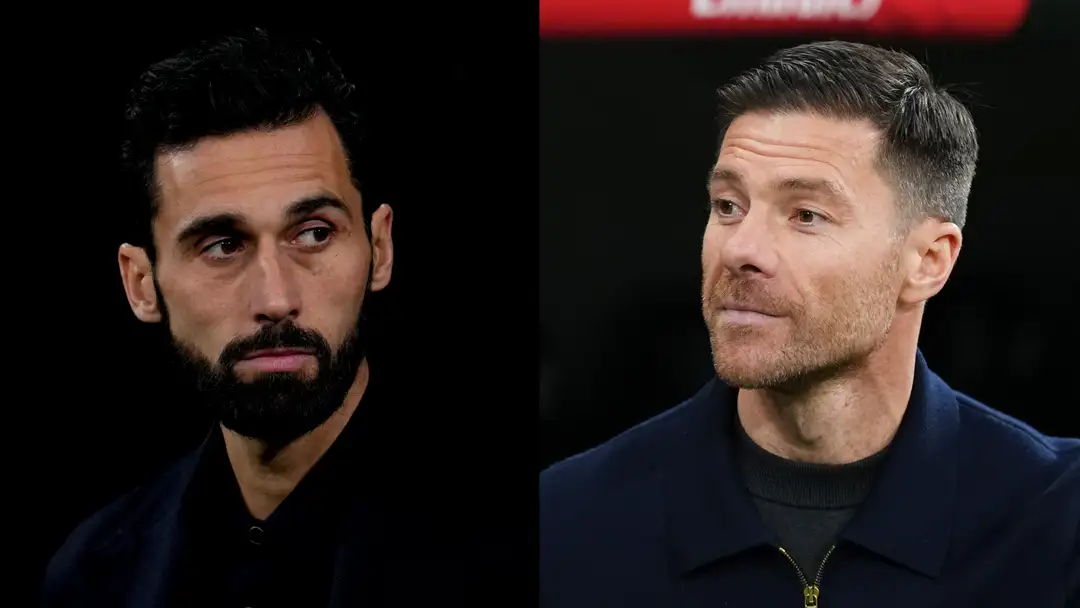
‘Direct and Approachable’ – Inside the Real Madrid Dressing Room as Differences Between Álvaro Arbeloa and Sacked Xabi Alonso Are Revealed
A New Voice at the Bernabéu: How Álvaro Arbeloa Is Changing Real Madrid from the Inside
Real Madrid is not a club that allows managers much time to settle. Every decision is magnified, every setback amplified, and every whistle from the Santiago Bernabéu carries weight. For Álvaro Arbeloa, stepping into the dugout after the dismissal of Xabi Alonso was always going to be an unforgiving assignment. What few expected, however, was just how quickly the tone inside the dressing room would shift — and how stark the contrast would be between the two former teammates turned coaches.
Behind the scenes at Valdebebas, a quiet transformation has been taking place. According to reports emerging from Madrid, Arbeloa’s direct and approachable style has begun to reshape both the tactical routine and the emotional climate of the squad. Even more surprisingly, hostility from the stands — usually a source of fracture — has instead become a unifying force for a group that looked fractured only days earlier.
From Copa del Rey Humiliation to a Turning Point
Arbeloa’s reign could hardly have begun in more dramatic fashion. His first major test ended in disaster, as Real Madrid crashed out of the Copa del Rey against Albacete — a result that sent shockwaves through Spanish football and immediately placed the new coach under intense scrutiny.
The defeat left scars. Sources describe the days that followed as tense and subdued. Training sessions were quieter than usual. Conversations were shorter. Players, many of them serial winners, appeared to retreat inward, processing the embarrassment individually rather than collectively. The dressing room, once vibrant, felt emotionally cold.
Yet football rarely moves in straight lines.
A narrow but crucial league victory over Levante followed, and then came a statement performance in Europe — a convincing Champions League win against Monaco that hinted at something changing beneath the surface. According to Cadena SER, the real turning point did not come from a tactical whiteboard or a dramatic team talk, but from the reaction of the Bernabéu faithful.
Bernabéu Whistles That United, Rather Than Divided
When whistles echoed around the stadium during the Levante match, it felt like a familiar Madrid response. At this club, patience is limited. Disapproval is vocal. For many squads, that kind of hostility fractures unity. At Real Madrid, this time, it did the opposite.
Players reportedly felt the criticism collectively rather than individually. Instead of retreating further into isolation, they began to close ranks. By the time the Monaco match arrived, the dressing room dynamic had shifted. The squad no longer felt like a collection of frustrated individuals, but a group determined to respond together.
One dressing room source described it as “circling the wagons.” The external pressure created an internal bond, with players rallying around each other and, crucially, around their new manager. The sense was clear: whatever the noise outside, the response would come from within.
Álvaro Arbeloa’s ‘Direct and Clear’ Leadership Style
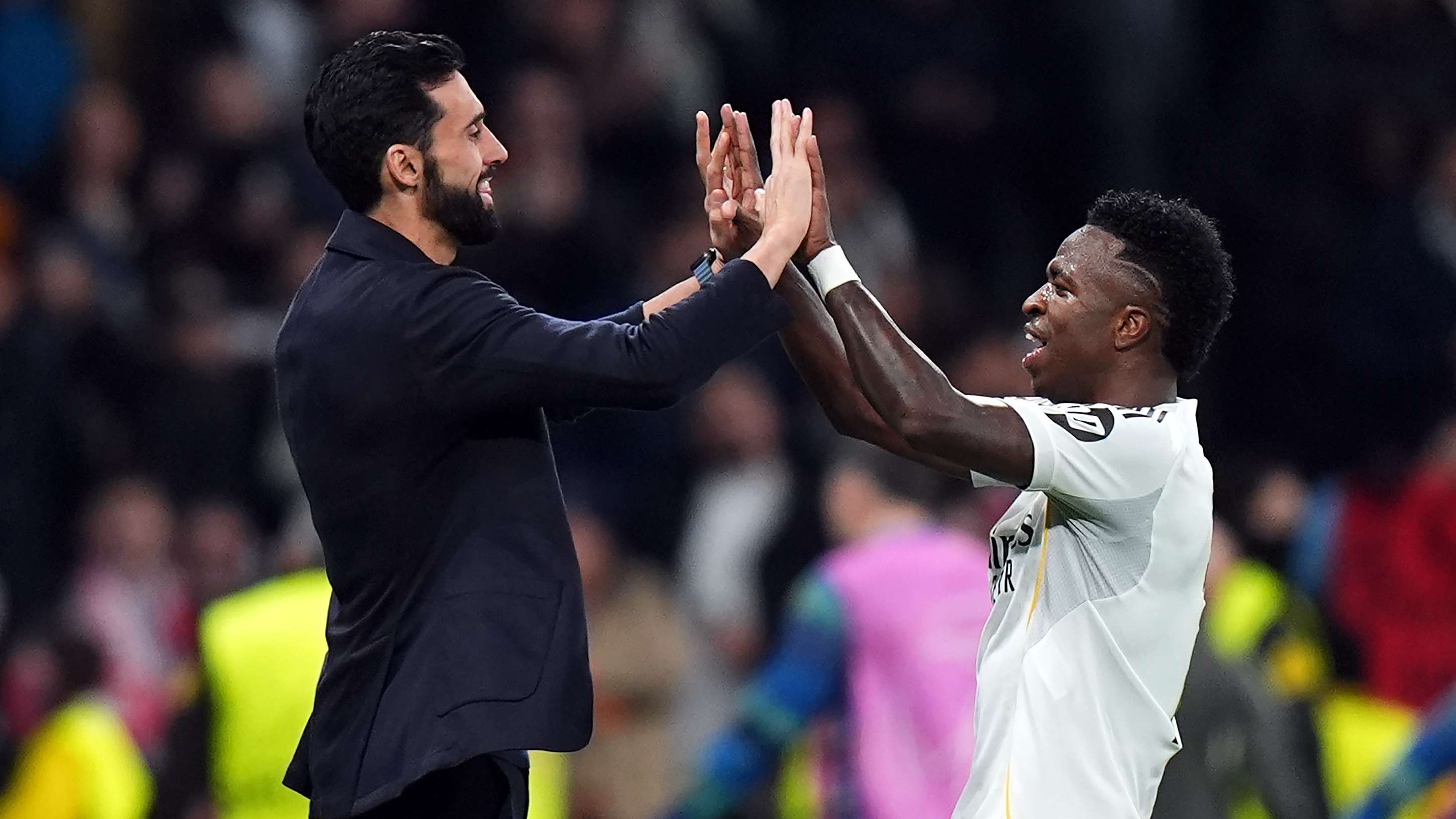
Real Madrid C.F. v AS Monaco – UEFA Champions League 2025/26 League Phase MD7
Central to this change has been Arbeloa himself. Those close to the squad describe him as direct, approachable, and clear in his ideas — a manager who wastes little time with ambiguity.
Unlike many modern coaching structures, where assistant coaches constantly intervene during sessions, Arbeloa has opted for a streamlined approach. His staff prepare meticulously behind the scenes, designing drills, analysing opponents, and shaping sessions. But when it comes to communication on the training pitch, one voice dominates: his.
Arbeloa personally delivers tactical explanations, motivational messages, and corrective feedback. The assistants rarely interrupt or add layers of instruction. This centralised communication has brought clarity to a squad that had grown accustomed to multiple voices and constant intervention.
Players now know exactly where instructions come from — and what is expected of them. There is less noise, fewer mixed messages, and a clearer daily rhythm. In a club where expectations are already sky-high, simplicity has become a strength.
Moving Away from Xabi Alonso’s ‘Interventionist’ Era
The contrast with Xabi Alonso’s approach is striking.
Alonso, widely respected for his football intelligence, arrived with a highly detailed, interventionist coaching philosophy. Training under him was intense and intellectually demanding. Long video analysis sessions were often followed immediately by drills designed to replicate specific scenarios shown on screen.
From a purely technical standpoint, the work was excellent. Players acknowledged the quality of Alonso’s staff and the depth of their preparation. But over time, the constant instruction, repetition, and micromanagement began to weigh heavily.
According to Cadena SER, players felt the staff were “a little too insistent for what this group was used to.” With multiple coaches intervening during sessions, feedback sometimes felt overwhelming. The mental fatigue mirrored the physical demands.
Arbeloa’s arrival has stripped much of that away. The insistence has been replaced by trust. Tactical structure remains, but players are given greater responsibility on the pitch to interpret situations themselves. For a squad filled with elite-level experience, that freedom has been refreshing.
A Cultural Shift as Much as a Tactical One
What is happening at Real Madrid under Arbeloa is not just tactical — it is cultural.
The dressing room now operates with fewer layers. Communication is clearer. Expectations are simpler. The manager is present, vocal, and accessible. Players feel listened to, but also held accountable. That balance has resonated with senior figures in the squad.
Importantly, Arbeloa’s history at the club gives him credibility. He understands the Bernabéu, the pressure, and the unforgiving nature of Madridismo. He does not need to explain what this badge means — he lived it.
That shared understanding has helped him connect quickly, even in adversity.
Results Begin to Reflect the Change
While it is still early days, the impact has begun to show on the pitch. The Champions League win over Monaco was not just convincing on the scoreboard — it was controlled, aggressive, and emotionally coherent.
Players pressed together. Defensive lines moved in unison. Attacks were direct and purposeful. There was a visible sense of collective responsibility, something that had been missing during the low point after the Copa del Rey exit.
That victory has pushed Real Madrid closer to the Champions League top eight and provided breathing room after what many described as a “very difficult week.”
Pressure Remains as Key Fixtures Loom
Despite the improved mood, no one inside the club is getting carried away. The scars of the Albacete defeat remain fresh, and there is an understanding that goodwill at Real Madrid is always temporary.
As one dressing room source put it, “the pitch must speak.”
Two demanding fixtures await: a difficult away trip to Villarreal, followed by a Champions League clash in Lisbon. Success in those matches would cement the sense that Arbeloa’s methods are not just refreshing, but effective.
Failure, as always at Madrid, would reopen every debate.
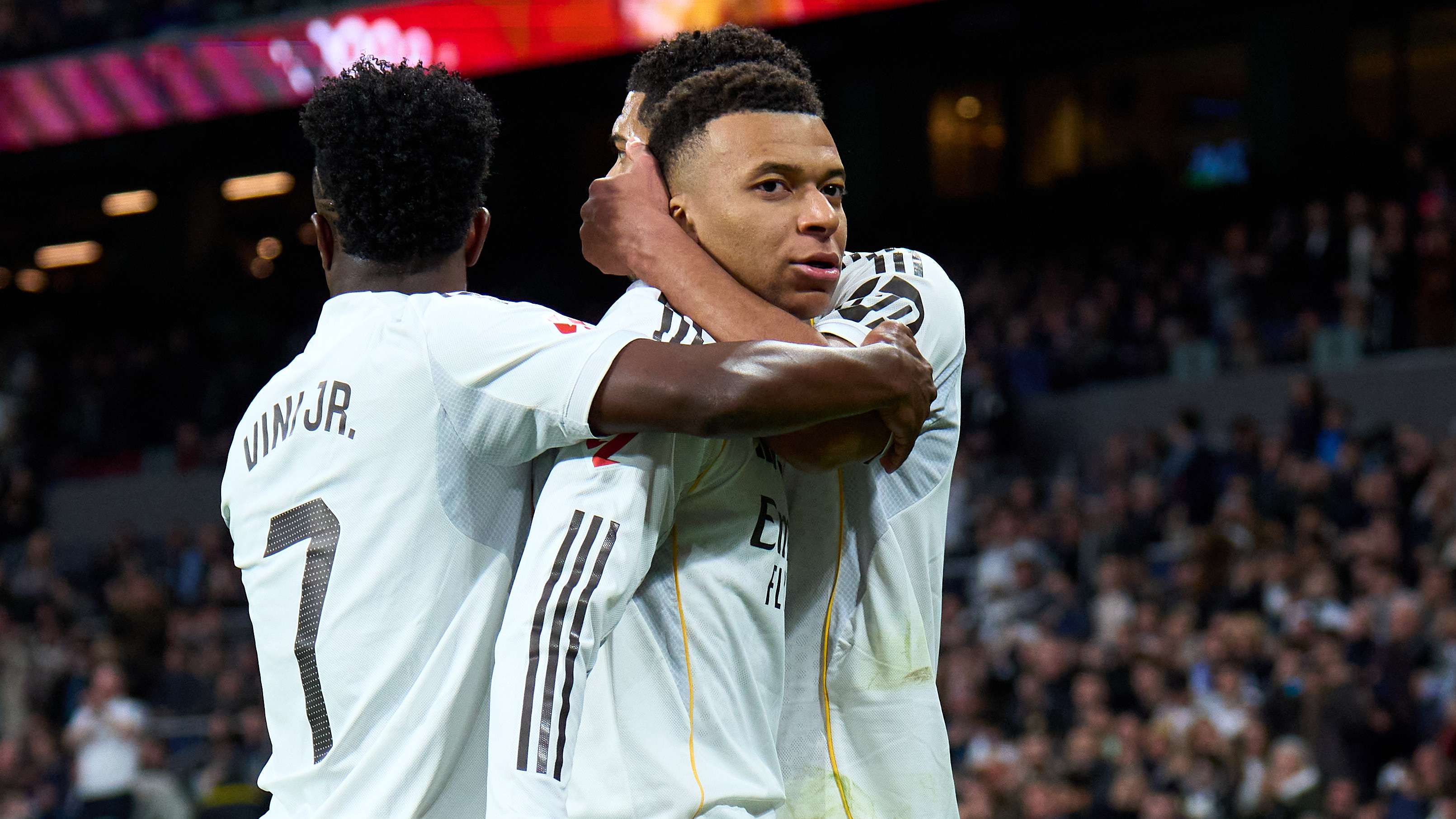
Real Madrid CF v Levante UD – LaLiga EA Sports
Time Feels Different After an Emotional Fortnight
One of the most telling insights from inside the dressing room is how distorted time has felt during this intense period.
“From what they lived through last Wednesday to Saturday, compared to what was lived from Sunday to today, it seems like more time has passed than just a few days,” one source admitted.
That sense speaks volumes about the emotional weight of recent events. For Arbeloa, the hope is that surviving — and growing — through this storm has forged bonds that will last beyond the immediate crisis.
A Manager Finding His Footing in the Harshest Environment
Álvaro Arbeloa is still at the beginning of his managerial journey at Real Madrid. Mistakes will come. Setbacks are inevitable. But early signs suggest that his direct and approachable style has struck a chord with a squad desperate for clarity and unity.
In moving away from Xabi Alonso’s interventionist approach, Arbeloa has simplified the message, empowered his players, and — perhaps most importantly — reminded them that sometimes, in the chaos of elite football, less really is more.
At the Bernabéu, where noise never fades, that clarity may prove invaluable.


There are no comments yet. Be the first to comment!