























































































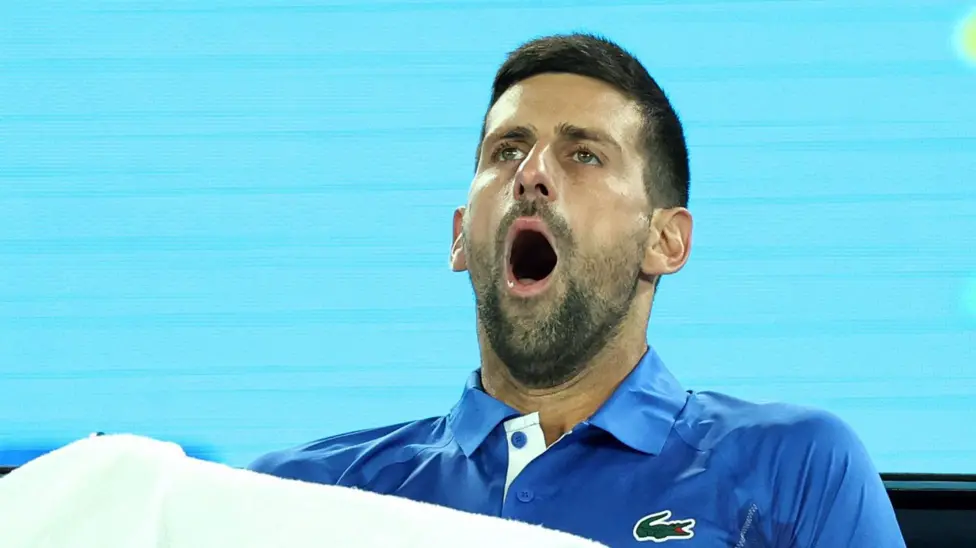
How Tennis Stars Fight Jetlag at the Australian Open
Sleepless in Melbourne: How Tennis Stars Cope with Jetlag Down Under
As the Australian Open kicks off, there’s one opponent every player must first face — jetlag.
Crossing continents and time zones to reach Melbourne can wreck even the fittest athlete’s rhythm. And despite their elite status, tennis players suffer from fatigue, broken sleep, and foggy focus just like anyone else — often needing to perform within hours of landing.
“If you’re on the tour, you’re going to have jetlag. You just have to deal with it,” says Filipino WTA player Alexandra Eala.
The World’s Most Travelled Athletes
In 2024 alone, ATP Tour players collectively logged 2.3 million kilometers— the equivalent of circling the globe nearly 58 times. With tournaments in 29 countries across five continents, tennis players arguably experience the most relentless travel schedule in professional sport.
Australian player Tristan Schoolkate, who hails from Perth — often dubbed the world’s most isolated major city — knows it all too well:
“As tennis players we don’t have a choice. You just push through it.”
Caffeine, Sunrises & Herbal Sleep Aids: The Coping Toolkit

Tristan Schoolkate has recently moved to Dubai to be based more centrally for ATP Tour events
Top athletes have developed creative and sometimes extreme routines to battle jetlag:
-
Novak Djokovic swears by “over-hydrating with lemon, mint and salt” on flights, then grounding himself barefoot in nature and watching the sunrise to reset his internal clock.
-
Iga Swiatek learned the hard way after a melatonin supplement led to a doping ban in 2024. She now relies solely on natural light to adjust:
“Waking up with sun outside is honestly the best cure.”
-
Cameron Norrie couldn’t sleep past 3am on arrival and blames checking his Fantasy Premier League team for staying awake in frustration. His new tactic? Muting goal alerts and avoiding his phone overnight.
-
Paula Badosa drinks ice-cold water in the mornings to shock her body awake.
-
Francesca Jones pushes through the full 24-hour trip without sleeping — an extreme tactic she says helps her adjust immediately.
Does Jetlag Lead to Injury?
Disrupted circadian rhythms can trigger everything from indigestion to impaired focus. But sports scientists warn it goes further than that.
“Jetlag increases injury risk,” says Stephen Smith of Kitman Labs, who advises elite teams on performance monitoring.
“Fatigue, reduced mobility, and dehydration all stack up.”
Smith notes the difference in recovery between first-class flyers and those in tight economy seats, where physical recovery is exacerbated by limited movement.
Tristan Schoolkate, ranked 97th in the world, often flies economy due to financial constraints. He recalls one brutal experience flying from India to the U.S., landing just 36 hours before his match at Indian Wells:
“I was starting to yawn during the warm-up. Sun in my eyes, brain fog… You’re trying to hit precise shots at the highest level — it’s never easy.”
Jetlag: The Unseen Opponent
From watching the sunrise like Djokovic, to muting football notifications like Norrie, players are constantly tweaking routines to perform under jetlag pressure.
And with the 2025 Australian Open now underway, fans may see top-tier tennis — but behind every cross-court winner is likely a sleepless night, a cup of coffee at dawn, and a body still catching up to the time zone.
As Schoolkate sums up:
“Jetlag affects you physically and mentally. But in this sport, long flights and time zones are part of the game.”


There are no comments yet. Be the first to comment!