















































“I’m Known for Winning Titles, Not Talking Nonsense” – José Mourinho Pushes Back Against the Mind Games Myth
José Mourinho has never been short of an opinion, nor shy about delivering it with a sharp edge. But as his latest chapter unfolds back in Portugal with Benfica, the veteran coach is keen to set the record straight about how he wants to be remembered. For Mourinho, the idea that his career has been built on so-called mind games and media manipulation is not just lazy — it’s wrong.
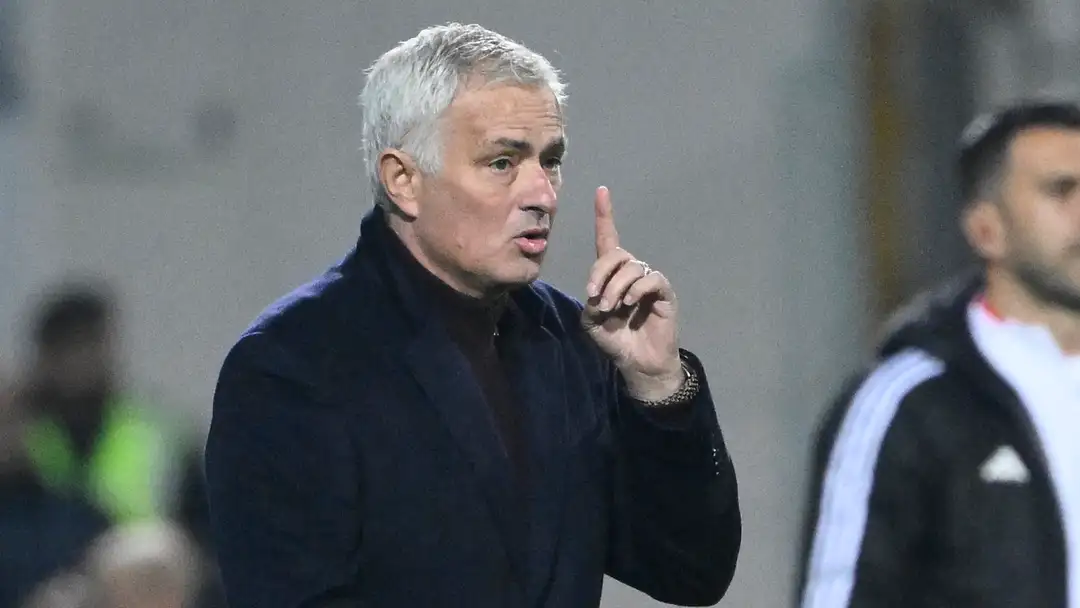
Ahead of Benfica’s domestic commitments, the 62-year-old used a routine press conference to dismantle one of football’s most persistent narratives: that José Mourinho is first and foremost a master manipulator, a man who wins battles with words rather than trophies. In typically forthright fashion, he rejected that label outright, insisting his reputation was forged by silverware, not soundbites.
José Mourinho and the ‘Mind Games’ Label: A Reputation He Rejects
For more than two decades, Mourinho has been framed as football’s ultimate psychological operator. From the moment he introduced himself to English football as “the Special One”, the Portuguese coach has been cast as a man who weaponises press conferences, distracts opponents and shields players through carefully chosen controversy.
But speaking candidly this week, José Mourinho made it clear that he sees things very differently.
“Excuse me,” he said, bristling at the suggestion that his recent comments were part of some deeper psychological strategy, “but I think what made me known were the titles I won and not saying stupid things once in a while.”
It was vintage Mourinho — blunt, dismissive, and rooted firmly in his extraordinary CV. Two Champions League titles. League championships in Portugal, England, Italy and Spain. Domestic cups across Europe. Few managers in the modern era can match that haul, and Mourinho is clearly unwilling to let his legacy be reduced to theatrics.
From Porto to Benfica: A Career Defined by Silverware
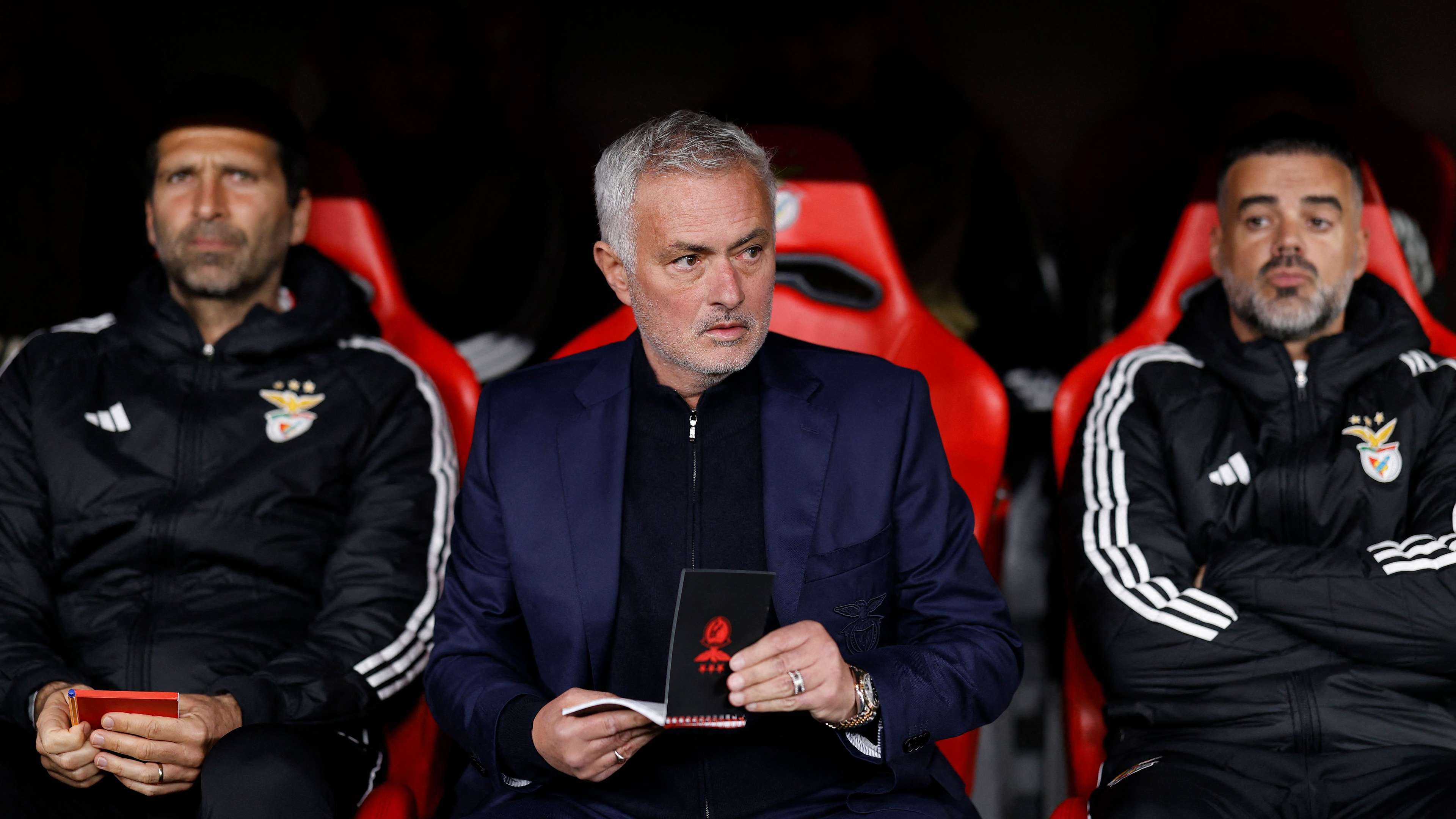
Mourinho went on to pull back the curtain on how he utilises the media room.
To understand Mourinho’s frustration, it helps to look at the journey. His rise at Porto, culminating in the 2004 Champions League triumph, had little to do with media antics and everything to do with tactical clarity and ruthless efficiency. His first spell at Chelsea transformed a talented squad into serial winners. At Inter, he delivered a historic treble. At Real Madrid, he broke Barcelona’s domestic stranglehold with a record-breaking league campaign.
Even in later years, during spells at Manchester United, Tottenham, Roma and Fenerbahce, Mourinho’s teams were rarely dull, often competitive, and usually defined by a clear identity. The noise followed him everywhere, but so did the results — at least for long stretches.
Now, back in Lisbon with Benfica, Mourinho feels that the same old stereotypes are being lazily reapplied.
Press Conferences as a Tool, Not a Theatre
One of the more revealing parts of Mourinho’s recent comments was his explanation of how he actually views the media. Contrary to the idea that he performs for the cameras, Mourinho insists the press room is simply an extension of the dressing room.
“Talking to the press is a way to reach the players,” he explained. “But before speaking to you, I already spoke to them — or I will speak to them. What I said to you was the same as what I said to the players at half-time.”
In other words, there is no separate script. No mask. No parallel message designed to confuse rivals. Mourinho’s public comments, he claims, are rooted in the same straightforward principles he delivers internally: demand more, stay hungry, and understand that nothing lasts forever in football — neither success nor struggle.
Benfica, Momentum and Mourinho’s Message
That philosophy appears to be resonating. Since Mourinho’s appointment, Benfica have won 11 of their last 18 matches, enjoying a seven-game unbeaten run across Liga Portugal, the Champions League and the Taça de Portugal. Performances have stabilised, confidence has returned, and the sense of drift that plagued earlier parts of the season has eased.
Mourinho was keen to stress that this current upswing should not breed complacency.
“Periods of grace end, and moments of great difficulty also end,” he said. “Everything has an end. Now that we are in a good moment, we need the mental strength to always want more.”
It is a familiar Mourinho theme — success as something temporary, fragile, and only maintained through constant pressure.
Challenges Ahead in Liga Portugal and Europe
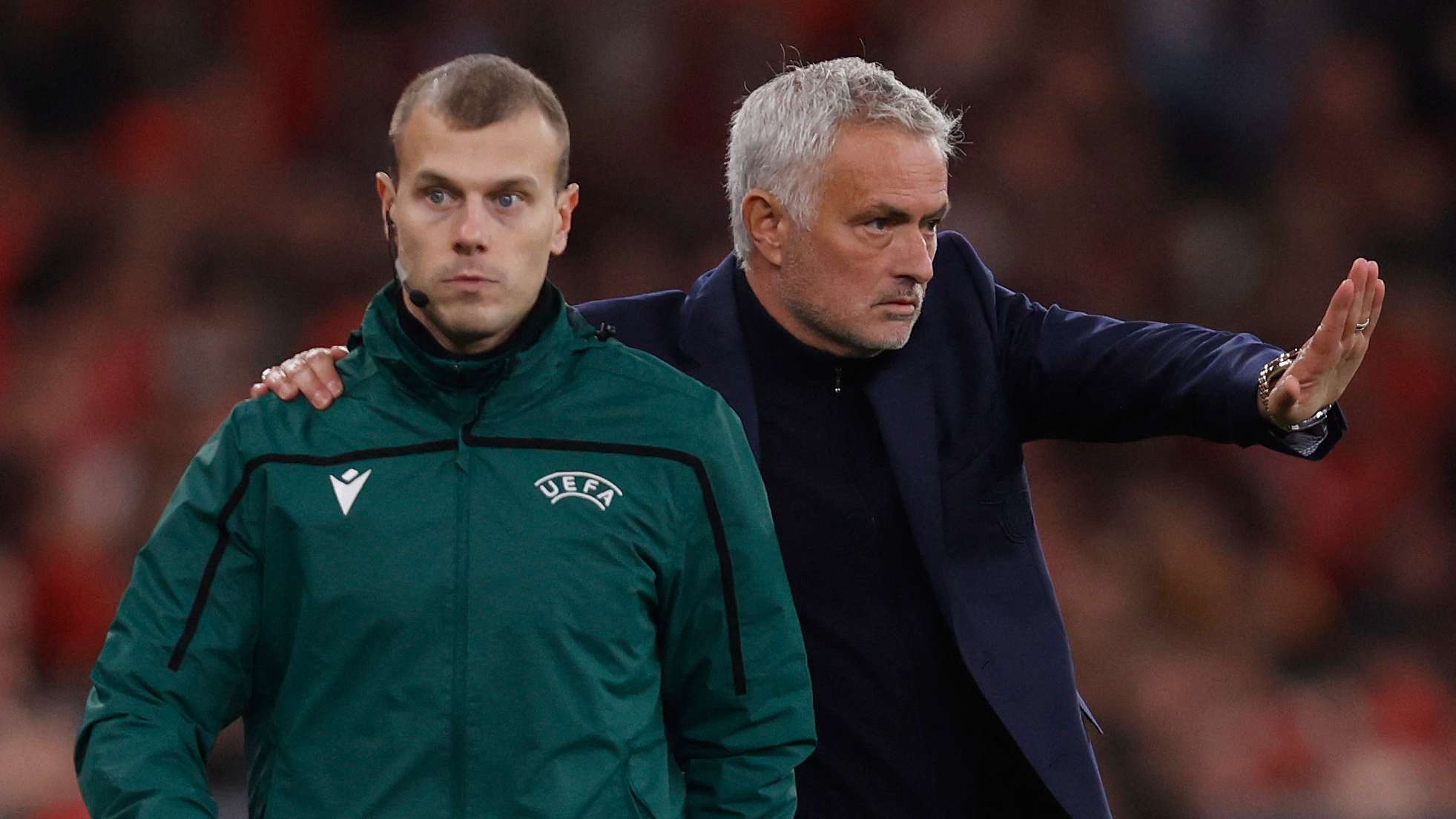
Domestically, Benfica still have work to do. Sitting third in Liga Portugal, they trail Porto by eight points after 14 matches, a gap that underlines the scale of the challenge. Progress in the Taça de Portugal, starting with the upcoming clash against Farense, offers a more immediate opportunity for silverware — something Mourinho has always prioritised.
In Europe, the picture is more complicated. Benfica currently sit 25th in the Champions League table, just outside the play-off places. With daunting fixtures against Juventus and Real Madrid still to come, qualification remains possible but far from guaranteed.
Beyond the Persona: How Mourinho Wants to Be Remembered
Whether critics accept it or not, José Mourinho has always been more than the caricature. Yes, he has delivered unforgettable one-liners. Yes, he has embraced confrontation when it suited him. But to frame his career primarily through the lens of mind games is, in his view, to miss the point entirely.
His latest comments feel less like bluster and more like a man protecting his professional identity. At this stage of his career, Mourinho does not need attention. What he wants is control — over his team, his message, and how his work is interpreted.
As Benfica push forward domestically and fight to stay alive in Europe, Mourinho’s words serve as both a reminder and a warning: strip away the headlines, the controversy, and the noise, and what remains is a coach who still measures success in the simplest way possible — by winning titles.


There are no comments yet. Be the first to comment!