

























































































































































































































































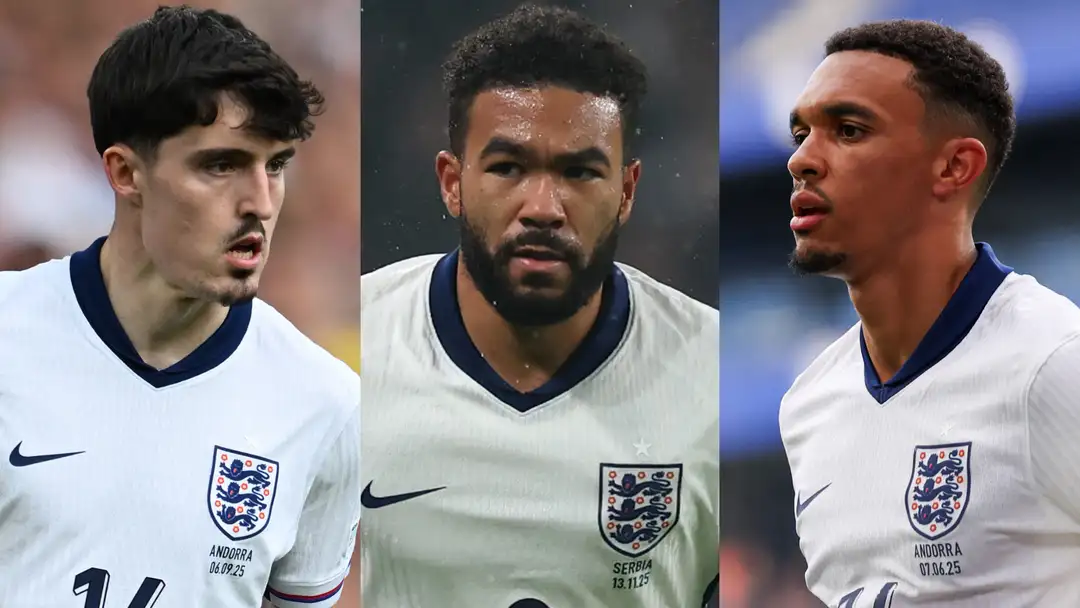
Trent Alexander-Arnold, Reece James, Tino Livramento? History-Making Former England Right-Back Makes 2026 World Cup Pick & Reveals Who He Would ‘Discard’
Trent Alexander-Arnold, Reece James, Tino Livramento – Who Gets the Nod? Viv Anderson Makes His 2026 World Cup Pick
When it comes to right-backs, England are not short of options. In fact, they are spoiled for choice. As the road to the 2026 World Cup gathers pace, debate is intensifying over who should occupy one of the most competitive positions in the Three Lions squad.
Into that conversation steps Viv Anderson — a history-making former England defender who knows exactly what it means to wear that shirt on the biggest stage. Anderson, the first black footballer to represent the senior England men’s team when he made his debut in 1978, has offered a clear verdict on the current pecking order.
And he hasn’t sat on the fence.
With Thomas Tuchel preparing to trim a longlist of hopefuls down to 26 names for the 2026 World Cup in North America, Anderson believes two players stand out — and one big name would miss out entirely.
England’s World Cup Squad: Tuchel Facing Tough Calls
On paper, England’s qualification campaign was as smooth as it gets. Eight matches. Eight wins. Zero goals conceded. It was the kind of efficiency that breeds quiet confidence, even if sterner examinations lie ahead.
The squad is stacked with depth in nearly every department. Tuchel, tasked with turning potential into silverware, has rotated frequently, experimenting with combinations and rewarding form. Friendly fixtures against Uruguay national football team and Japan national football team in March will provide further opportunities for fringe players to make their case.
But some decisions will inevitably sting.
Right-back is one such dilemma. The shortlist reads like a who’s who of Premier League and European pedigree: Trent Alexander-Arnold, Reece James, Tino Livramento, Kyle Walker and Djed Spence.
Experience. Youth. Tactical flexibility. Attacking flair. Defensive recovery pace. Each brings something different to the table.
For Anderson, though, clarity trumps sentiment.
Anderson’s Verdict: Reece James Gets the Edge
“I like Reece James, I must admit,” Anderson said when asked to name his preferred option.
It is not an off-the-cuff endorsement. Anderson sees in James a versatility that becomes invaluable in tournament football. The ability to operate not only at right-back but also in midfield broadens tactical possibilities — something Tuchel, known for his structural flexibility, will appreciate.
James’ leadership credentials also weigh heavily. As captain of Chelsea, he has matured into a more complete figure — less just a dynamic runner down the flank, more a composed organiser who understands tempo and responsibility.
“I saw him at Wembley when he scored the free-kick,” Anderson noted. “He played well that night.”
Moments like that matter. Tournament squads are often shaped by trust — the memory of who delivered when it counted.
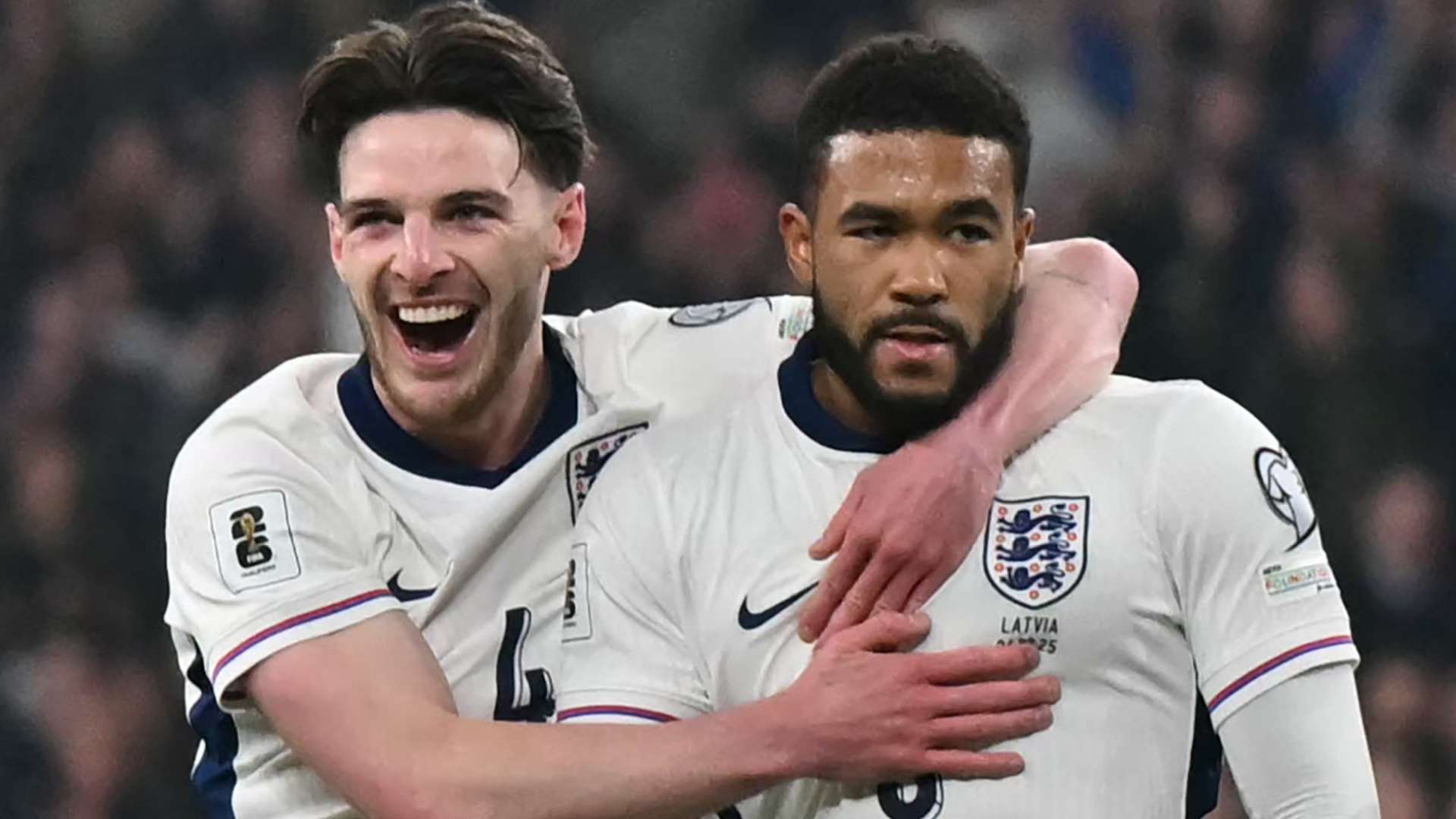
Reece James England
Tino Livramento: The Up-and-Coming Contender
If James represents proven quality, Livramento embodies upward trajectory.
Still only in his early twenties, Livramento has developed into one of the most athletic and progressive full-backs in the English game. His engine is relentless. His defensive recovery speed makes him a valuable asset against elite wingers. And perhaps most importantly, he plays with a fearlessness that belies his age.
Anderson is clearly intrigued.
“On the other hand, I like Livramento — young, up and coming, very athletic. Between those two.”
That phrase — between those two — suggests a straight shootout in Anderson’s mind. Experience versus youthful dynamism. Leadership versus raw upside.
It is not an easy choice. But it is a choice.
Trent Alexander-Arnold: The Surprise ‘Discard’
The most eye-catching part of Anderson’s assessment concerns Alexander-Arnold.
Few players divide opinion quite like the Real Madrid defender. His technical ability is beyond dispute. His passing range can unlock the tightest of defensive blocks. On his day, he is less a right-back and more a deep-lying playmaker stationed wide.
Yet Anderson would leave him behind.
“Trent has had a funny old season,” he said. “He has been in and out of the Real Madrid side and doesn’t play consistently. I would discard him.”
It is a bold call, particularly given Alexander-Arnold’s pedigree and big-game experience. But Anderson’s reasoning is grounded in tournament pragmatism. Consistency matters. Rhythm matters. Players heading into a World Cup need sharpness, not uncertainty.
In a 26-man squad, reputation alone cannot guarantee inclusion.
The Walker Factor and Squad Balance
Then there is Walker — the veteran, the defensive safety net.
Walker’s recovery pace has bailed England out more than once in recent tournaments. His experience in high-pressure knockout football is unquestionable. But by 2026, age becomes a factor.
Tournament football demands freshness. It demands players capable of handling games every three or four days in sweltering North American summer conditions. Whether Walker’s body can withstand that schedule remains to be seen.
Tuchel’s broader challenge will be balance. Does he take two specialist right-backs? Or one specialist and one hybrid capable of filling multiple roles? Flexibility can free up space elsewhere in the squad.
Is There Still a Role for Harry Maguire?
While the spotlight has fallen on the right flank, Anderson also addressed the centre-back debate — specifically the case of Harry Maguire.
The 64-cap defender has endured a turbulent club career in recent seasons, yet his tournament performances for England have often been steady and assured.
“He has never let his country down in tournament action,” Anderson observed.
Under new management at club level — following the arrival of Michael Carrick — Maguire has reportedly rediscovered form and confidence. If that trajectory continues through the end of the domestic season, Anderson believes experience alone could justify his inclusion.
In tournaments, familiarity with pressure can outweigh fleeting dips in form.
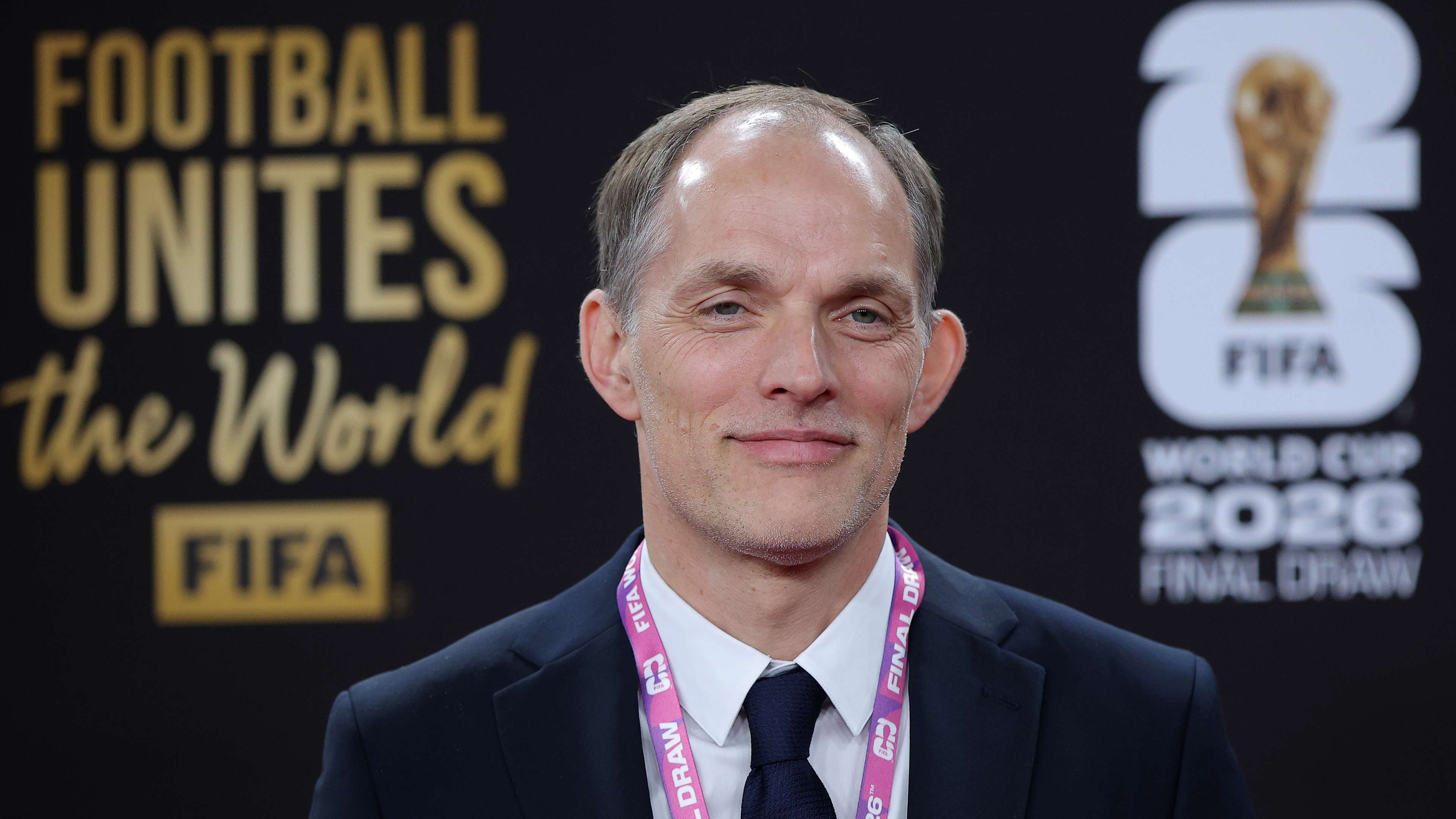
Thomas Tuchel
Tuchel’s Personal Touch
Tuchel, for his part, has signalled a hands-on approach to squad management. He intends to speak directly with as many players as possible before finalising his list.
“It’s my job now to make contact with everyone,” he said. “Players on our longlist — 55, 60 players — to reach out to them, explain to them why they were not here.”
It is an old-school method adapted to modern sensibilities. Honest feedback. Clear expectations. Direct communication.
Tuchel even admitted a preference for FaceTime over traditional calls — wanting to read expressions, gauge reactions, understand personality.
In an era of tactical data and performance analytics, human connection still matters.
Looking Ahead to 2026
Before the tournament proper begins, England will tune up with friendlies against New Zealand national football team and Costa Rica national football team in Florida. The World Cup campaign itself is set to open against Croatia national football team on June 17.
The objective is unambiguous: end the long wait for a major men’s trophy, stretching back to 1966.
To do that, Tuchel must get the details right. Squad chemistry. Tactical adaptability. Injury management. And yes, the right-back decision.
Anderson’s view may not settle the debate, but it sharpens it. For him, Reece James edges ahead. Livramento runs him close. Alexander-Arnold, surprisingly, misses the cut.
Selection always leaves someone disappointed. But as Anderson knows better than most, wearing England’s shirt at a World Cup is not about sentiment. It is about readiness.
And in 2026, only the ready will board the plane.


There are no comments yet. Be the first to comment!