




































































Trump and Infantino’s Close Ties Spark World Cup Controversy
Trump and Infantino: Too Close for Comfort Before 2026 World Cup?
As the 2026 World Cup draw approaches with a ceremony just a mile from the White House, alarm bells are ringing over the increasingly visible relationship between US President Donald Trump and FIFA President Gianni Infantino.
Set to take place at the Kennedy Center—a venue newly chaired by Trump after revamping its board—the draw is expected to have strong political undertones. Among the evening’s features are a performance by the Village People singing YMCA, a known Trump campaign anthem, and a newly created FIFA Peace Prize, with Trump tipped as its inaugural recipient.
This convergence of politics and football is unsettling critics who argue it threatens FIFA’s long-standing commitment to neutrality. Many worry that Infantino is aligning FIFA too closely with the “Make America Great Again” movement, especially in the wake of Trump’s recent disparaging comments about Somali immigrants.
Political Football or Diplomacy?
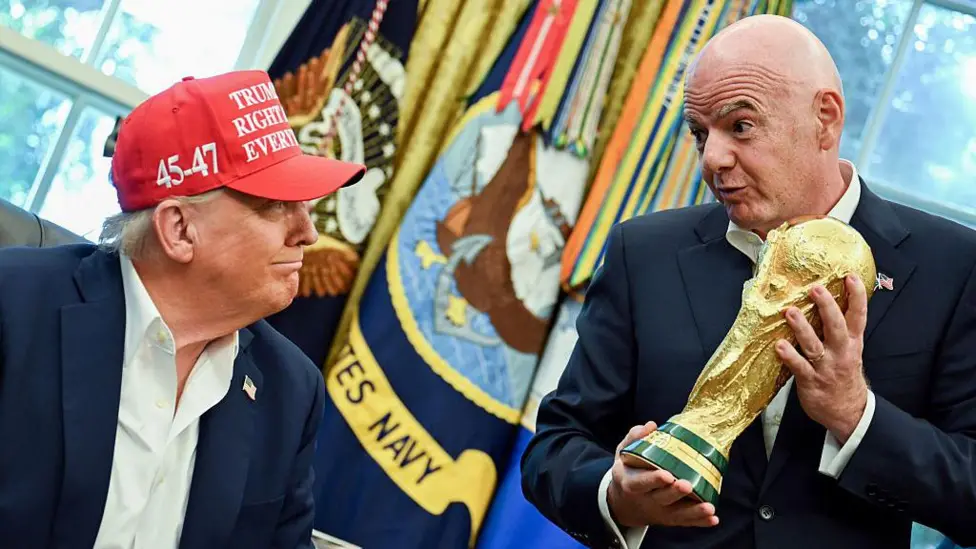
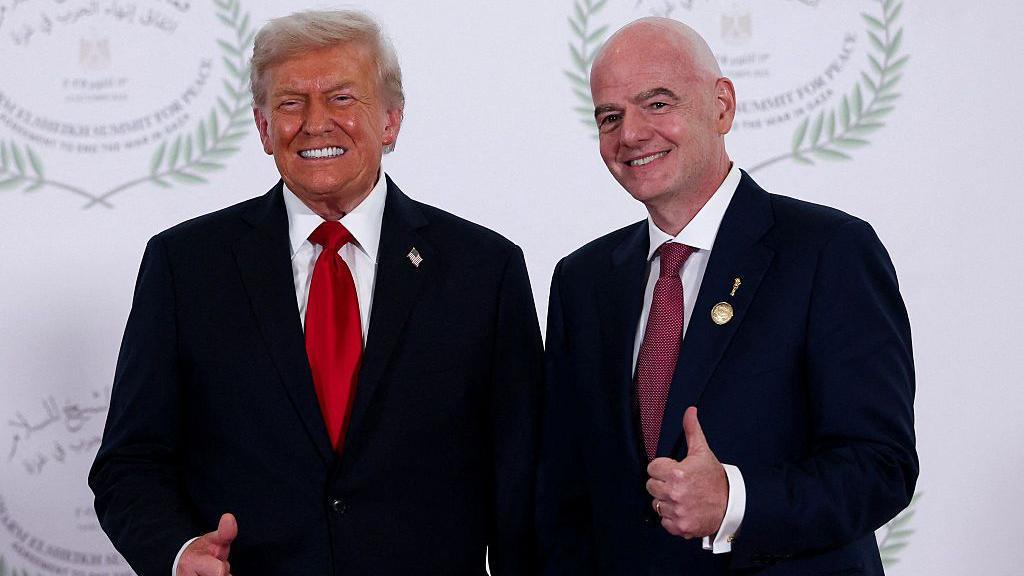
The relationship between the two leaders has deepened since Infantino’s first visit to the White House in 2018. Since then, they’ve appeared together at Davos, the Abraham Accords signing, and multiple FIFA and non-sporting events. Infantino even made a surprise appearance at Trump’s second inauguration and was praised by Trump as “one of the greatest men of sport.”
FIFA’s new office in Trump Tower, and the decision to suspend Cristiano Ronaldo’s ban shortly after the player dined at the White House, have only fueled suspicions of political favoritism.
While FIFA insists its leadership engages global leaders for the good of the game, critics—especially from UEFA—have expressed concern. One notable protest came when European delegates staged a walkout at a FIFA Congress in Paraguay after Infantino arrived late following a trip with Trump to the Middle East.
Immigration Tensions and Human Rights Alarms
Trump’s immigration policies have further complicated the World Cup narrative. A recent executive order restricts immigration from 19 countries—mostly from Africa, the Middle East, and the Caribbean—including qualified World Cup participants Iran and Haiti.
Though athletes are exempt, fans from these nations could face bans, prompting Iran to consider boycotting the draw. Civil rights groups such as Human Rights Watch warn that the event risks becoming a symbol of authoritarianism rather than a celebration of global unity.
Andrew Giuliani, leading the White House’s World Cup Task Force, promised expedited visa processes but did not rule out potential ICE enforcement at match venues, raising additional fears of racial profiling and discrimination.
Image, Economics, and Re-Elections
For Trump, the World Cup is a global stage to solidify his presidential image ahead of the 250th anniversary of US independence and the 2028 Los Angeles Olympics.
For Infantino, the tournament is a financial jackpot: projected to generate £22 billion for the US economy and over £10 billion in revenue for FIFA. Controversially, the organization will collect a 30% commission on its ticket resale platform—a move condemned by fan groups as exploitative.
Both men stand to gain from the partnership. But critics argue that FIFA risks its credibility and global reputation by allowing political leaders to influence its events and values.
With re-election campaigns, major global optics, and billions at stake, the Trump-Infantino dynamic may soon be the defining political subplot of the 2026 World Cup.


There are no comments yet. Be the first to comment!