









































































































































































































































Verstappen’s quit threat: pressure or real concern?
Verstappen’s warning shakes F1
Max Verstappen has openly suggested he could leave Formula 1 — and it’s not just negotiation tactics.
According to analysis, his frustration with F1’s new regulations runs much deeper than performance or results.
Is this just pressure on rule-makers?
Short answer: No — not primarily.
Verstappen’s comments are:
- Consistent over multiple years
- Rooted in how the cars feel to drive
- Focused on what he calls “anti-driving” elements
He objects to:
- Power loss on straights due to energy limits
- Lift-and-coast driving before corners
- Artificial overtaking systems (boost modes)
These reduce what he sees as the core skill of racing: braking and corner entry.
The real issue: hybrid rules
The current F1 engines rely on:
- Heavy energy management
- 50-50 split between combustion and electric power
This creates:
- Slower corner entry speeds
- Complex driving techniques
- Less “natural” racing feel
Even drivers like Charles Leclerc admit:
Racing can be exciting
But the driving experience is compromised
Safety fears after Bearman crash
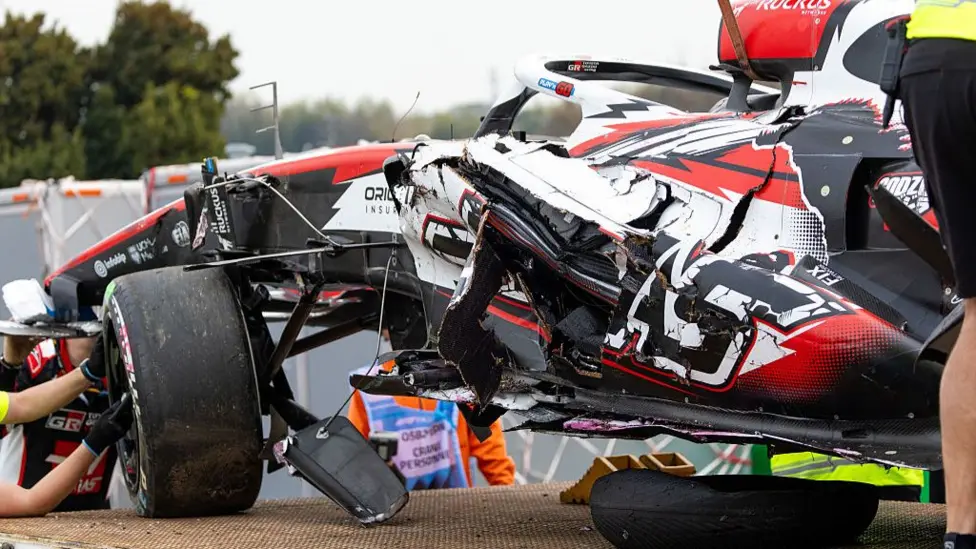
The debate intensified after Oliver Bearman’s huge crash at Suzuka.
- Speed: 191 mph (307 km/h)
- Cause: ~50 km/h speed difference between cars
This happens when:
- One car is deploying energy
- Another is recharging
Drivers including Carlos Sainz warned:
“That is not racing.”
This could become a major safety issue, not just a performance concern.
Can F1 fix it?
The FIA and teams are already:
- Planning meetings during the break
- Considering tweaks to energy systems
- Trying to improve qualifying performance
BUT:
Big changes are limited this season
Major fixes require political agreement between manufacturers
Real change may only come in 2027 or later
What happens during the F1 break?
Despite the five-week pause:
- Teams continue development work
- Drivers analyze data and train
- Engineers simulate rule changes
As Andrea Stella said:
It’s a chance to “catch up technically” — not relax.
Mercedes dilemma: Antonelli vs Russell
Meanwhile, Mercedes face a new challenge:
- Kimi Antonelli leading the championship
- George Russell close behind
Team boss Toto Wolff says:
Both drivers are “off the leash” for now
But history (Hamilton vs Rosberg) suggests:
- Team orders may come later
- Only if the title fight demands it
Final takeaway
Verstappen’s threat isn’t just a bargaining chip — it’s a warning sign for F1.
The sport faces a delicate balance:
- Keep exciting racing
- Restore driving purity
- Ensure safety
If it fails, losing a driver like Max Verstappen would be more than symbolic — it would signal a deeper problem at the heart of modern Formula 1.


There are no comments yet. Be the first to comment!