
























































































































‘Wasting Too Many Touches’: Michael Owen’s Tactical Advice to Harry Kane Could Be the Key to World Cup Glory for England
Michael Owen Urges Thomas Tuchel to Keep Harry Kane Focused on His “Job” as England Chase World Cup Glory
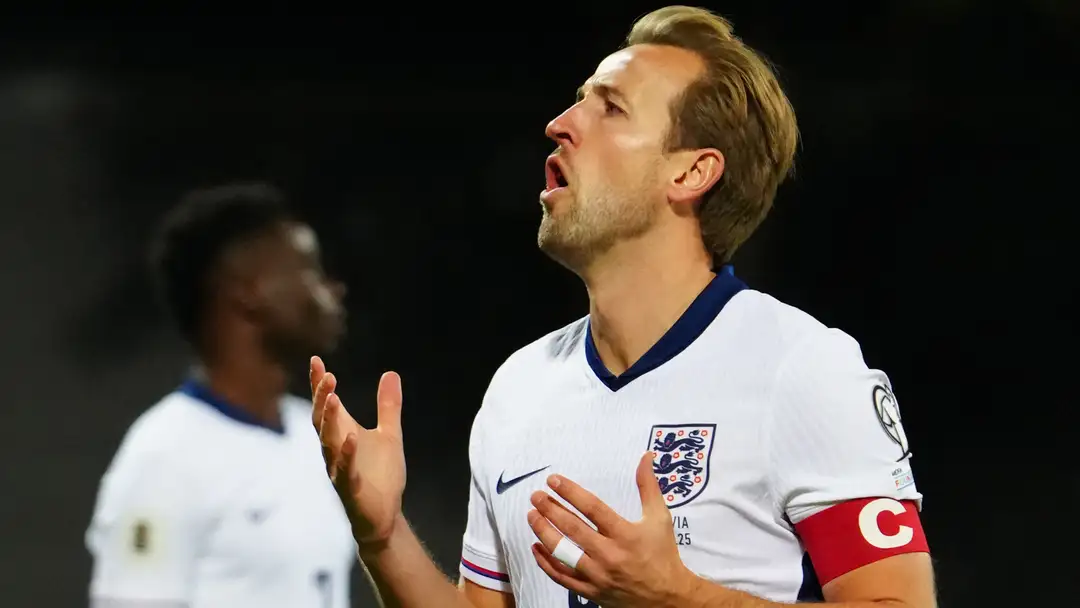
There is something almost paradoxical about watching Harry Kane play football in 2026. On one hand, you are witnessing one of the most complete forwards of his generation — a striker capable of dropping into midfield, threading 40-yard passes, dictating tempo and orchestrating attacks like a seasoned No.10. On the other, you are looking at arguably the most clinical finisher in world football, a man whose instinct inside the penalty area remains sharper than ever.
It is precisely this duality that has prompted former England striker Michael Owen to offer pointed tactical advice — not just to Kane, but to England manager Thomas Tuchel as well. The message is simple: England’s captain must not waste too many touches away from where he hurts opponents most. His job, first and foremost, is to score goals.
With the World Cup looming, that distinction could prove decisive.
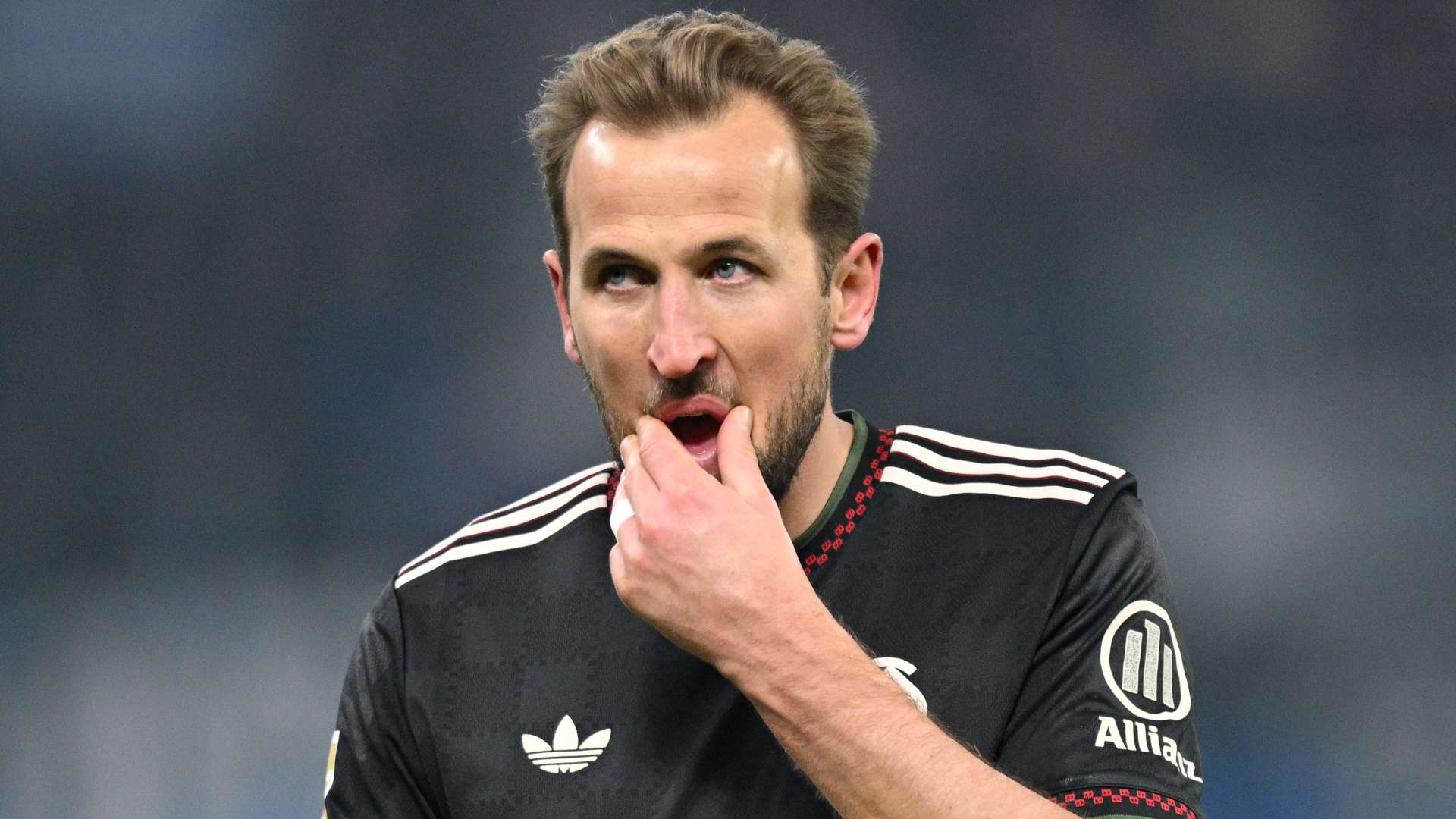
Harry Kane Bayern Munich 2025-26
Record Breaker: Kane Posting Astonishing Numbers for Bayern and England
Statistics do not lie, and Kane’s numbers over the past two seasons border on the extraordinary. Having already cemented his place as Tottenham Hotspur’s all-time leading scorer, he has taken his international tally to 78 goals for England — a record that continues to stretch further into the distance.
At club level, his move to Bayern Munich has elevated his legacy into another stratosphere. With 124 goals in 130 appearances for the German giants, Kane has not merely adapted to the Bundesliga; he has dominated it. Two Golden Boots in Germany underline his consistency, while finally securing league silverware ended long-standing narratives about trophies eluding him.
Bayern’s domestic title defence and ambitions in the Champions League continue to revolve around their English talisman. Even in a side packed with technical quality and attacking options, Kane remains the focal point.
Yet for all the goals, assists and accolades, there remains a recurring debate about how best to deploy him — especially in international football.
“That’s Not His Job”: The Felix Magath Perspective
Former Bayern coach Felix Magath recently distilled the argument into blunt simplicity. Players, he said, should be used according to their strengths. Kane’s strength is scoring goals. Praising him for tracking back or operating deep might sound generous, but it risks distracting from the central truth.
Magath’s view was uncompromising: Kane running around in midfield or defence may look industrious, but it is not what serves the team best. If he is going to run, it should be in the box, attacking crosses and anticipating rebounds.
This is not criticism of Kane’s work ethic. Quite the opposite. His willingness to sacrifice himself for the collective is part of what makes him such a respected captain. But sometimes selflessness can dilute efficiency.
And that is where Michael Owen’s voice enters the conversation.
Michael Owen: “I Don’t Want Him Wasting Too Many Touches Playing Deep”
Speaking recently, Owen articulated what many traditional centre-forwards instinctively understand. Kane is, in his words, “arguably the best finisher in the world.” When you possess a weapon of that calibre, you do not sheath it unnecessarily.
Owen acknowledges the tactical nuances. During his time at Tottenham, Kane’s partnership with Son Heung-min thrived on intelligent movement and fluid interchanging. When Kane dropped into midfield, Son’s blistering pace stretched defensive lines. Defenders were left with impossible decisions — track the runner or hold the line?
Context matters. Personnel matters.
But as Owen points out, much depends on who is around Kane in the England side. Without a forward consistently threatening in behind, Kane’s tendency to drop deep can leave the penalty area under-occupied. And when the ball does arrive in dangerous territory, the man most equipped to convert is sometimes still 25 yards from goal.
For Owen, especially at this stage of Kane’s career, energy conservation is crucial. A striker’s output is often determined by the sharpness of movement in the final third — those explosive half-yards, the anticipatory steps that separate elite finishers from merely good ones.
The older you get, Owen admits from personal experience, the more tempting it is to influence games through distribution and link-up play. You can feel involved without necessarily scoring. But tournaments are not remembered for neat build-up play. They are remembered for decisive goals.
Thomas Tuchel’s Balancing Act
Thomas Tuchel faces a delicate strategic puzzle. His tactical systems have historically relied on fluid positional play and intelligent rotation in advanced areas. Kane’s technical ability fits naturally into that framework. He can operate as a false nine, connect midfield to attack and unlock low blocks with clever passes.
Yet international tournaments are unforgiving. Margins are microscopic. One lapse, one missed chance, one moment of hesitation can define campaigns.
England’s greatest hope of converting half-chances into match-winning goals remains Kane. His record under pressure speaks for itself — major tournament goals, penalty composure, late winners. Removing him too far from the epicentre of danger risks blunting England’s sharpest edge.
Tuchel must decide: does he maximise Kane’s all-round contribution, or does he streamline his responsibilities?
History suggests that teams built around ruthless penalty-box efficiency often prevail in knockout football.
The Psychology of the Modern Centre-Forward
There is another dimension to this debate — the psychological burden placed on strikers. As Owen explains, when a game becomes tight and service dries up, the natural inclination is to seek involvement. Dropping deep offers reassurance. A few completed passes create rhythm. The player feels connected to the match.
But strikers are paid — and remembered — for a different currency.
The art of remaining patient, even detached at times, requires immense discipline. The world’s greatest No.9s have mastered the ability to wait. They conserve their runs, read defensive weaknesses and strike with surgical timing.
Kane has that instinct in abundance. The question is whether England can structure their play to feed it consistently.
England Fixtures: Countdown to 2026 World Cup
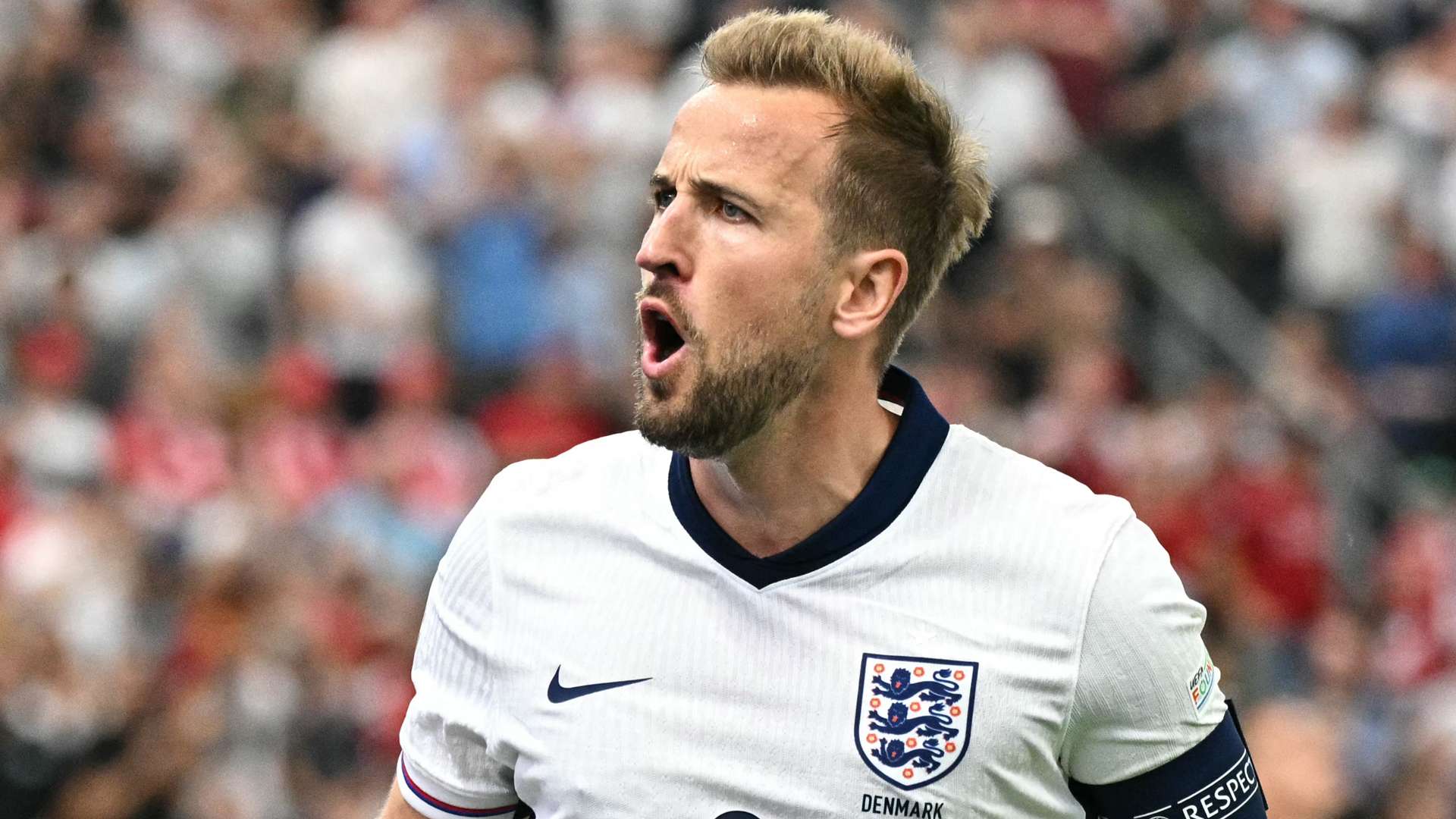
Harry Kane England
England’s upcoming friendlies against Uruguay and Japan provide Thomas Tuchel with his final experimental window before World Cup plans solidify. These matches are less about results and more about clarity.
How high does Kane start? Who runs beyond him? Is there sufficient pace to justify him dropping between the lines? Does England need a more direct outlet to keep Kane stationed centrally?
After these fixtures, the countdown accelerates. Pre-tournament preparations in the United States will sharpen focus, and England’s opening World Cup clash against Croatia on June 17 looms large.
The margins between triumph and disappointment will be microscopic.
Kane: England’s Biggest Hope
Strip away the tactical diagrams and philosophical debates, and one fact remains undeniable: England’s World Cup aspirations hinge overwhelmingly on Harry Kane.
If you were to ask which player England can least afford to lose through injury, the answer is immediate. Kane remains irreplaceable. There is no other forward in the Premier League — or within the current national pool — who combines his finishing, experience and leadership in equal measure.
His 78 international goals tell only part of the story. It is the manner of them — the composure, the consistency, the capacity to deliver under scrutiny — that elevates him.
Michael Owen’s advice is not criticism. It is preservation. It is the understanding, born from experience, that tournament football rewards efficiency over artistry.
England do not need Kane to prove he can pass like a midfielder. They need him poised between centre-backs, alive to rebounds, ready to pounce.
They need him doing his job.
World Cup Glory Hinges on Tactical Discipline
There is no doubt that modern football has evolved. Positional fluidity, pressing triggers, inverted movements — all are integral to contemporary systems. But at its core, the game remains simple.
Goals win matches.
As England prepare for the World Cup, the conversation around Harry Kane is not about diminishing his versatility. It is about sharpening his focus.
If Thomas Tuchel can structure a system that maximises Kane’s presence inside the penalty area — while ensuring adequate support from dynamic runners around him — England’s attack gains clarity. The captain conserves energy for decisive moments. The team gains a fixed reference point. Defenders are forced backward.
And perhaps, just perhaps, England edge closer to the World Cup glory that has eluded them for so long.
In the end, Michael Owen’s warning about “wasting too many touches” may sound subtle. But tournaments are defined by subtleties. A yard of positioning. A split-second reaction. A single finish.
For England, keeping Harry Kane exactly where he belongs — in the most dangerous area on the pitch — could make all the difference.


There are no comments yet. Be the first to comment!