

























































Why Afcon Is Being Played in December: Climate, Calendars and a Tournament Caught in the Middle
For decades, the Africa Cup of Nations has been a fixture that European clubs brace themselves for rather than celebrate. Managers complain, fans grumble about losing key players mid-season, and yet Afcon remains one of international football’s most vibrant, unpredictable and culturally significant tournaments.
The decision has raised plenty of questions. Why December? Why not summer? And why does Afcon so often seem squeezed by the global football calendar? The answers lie in a complex mix of climate realities, FIFA politics and the ever-growing demands of modern football.
Afcon 2025 in December: What Changed?
The original plan for Afcon 2025 was clear. CAF and Morocco wanted a summer tournament, partly to reduce friction with European clubs and partly to showcase the country in peak tourist season ahead of co-hosting the 2030 World Cup with Spain and Portugal.
But those plans were quietly undone by FIFA.
The introduction of FIFA’s expanded Club World Cup, scheduled for the summer of 2025, forced a rethink. With elite players expected to compete in that tournament, there was simply no room left in the calendar. Afcon was pushed aside.
The compromise was December. Starting before Christmas and finishing in mid-January, the tournament avoids direct clashes with the knockout stages of the Champions League and Europa League, which resume on 20 and 22 January respectively.
For CAF, it was a case of choosing the least disruptive option in a calendar already bursting at the seams.
Why Afcon Is Traditionally Played in Winter
Africa’s climate is hugely diverse. In many countries, summer brings extreme heat, heavy rainfall and unpredictable weather conditions. These factors can make pitches unplayable and pose serious risks to player welfare.
Winter, by contrast, offers more stable temperatures and drier conditions in many regions. It is no coincidence that some of the most successful editions of Afcon have been played in these months.
The 2023 tournament in Ivory Coast is a perfect example. Originally planned for summer 2022, it was postponed to early 2024 due to concerns about weather conditions. The shift proved wise, with far better playing surfaces and conditions.
So while December Afcon may feel unusual, it still aligns with the broader logic that has shaped the competition for decades.
A Short Preparation Window and Growing Frustration
One of the biggest concerns around Afcon 2025 is preparation time. Clubs are required to release players on 15 December, just six days before the tournament begins.
That has infuriated several international coaches, who feel they are being asked to prepare national teams with barely any training sessions.
Angola coach Patrice Beaumelle didn’t hold back, calling the situation “nonsense” and pointing out that “you can’t prepare a serious team in just two or three sessions”.
He is not alone. National team managers already operate with limited time together. Compressing preparation into a single week raises legitimate questions about match quality, player fitness and tactical readiness.
European Clubs vs African Football: A Familiar Tension
Afcon has long sat awkwardly within the European football ecosystem. While the World Cup and European Championship dominate summers, Afcon’s winter slot forces clubs to release players at a crucial stage of the domestic season.
From a European perspective, this feels disruptive. From an African one, it feels unavoidable.
Why Afcon Has Been Held Every Two Years
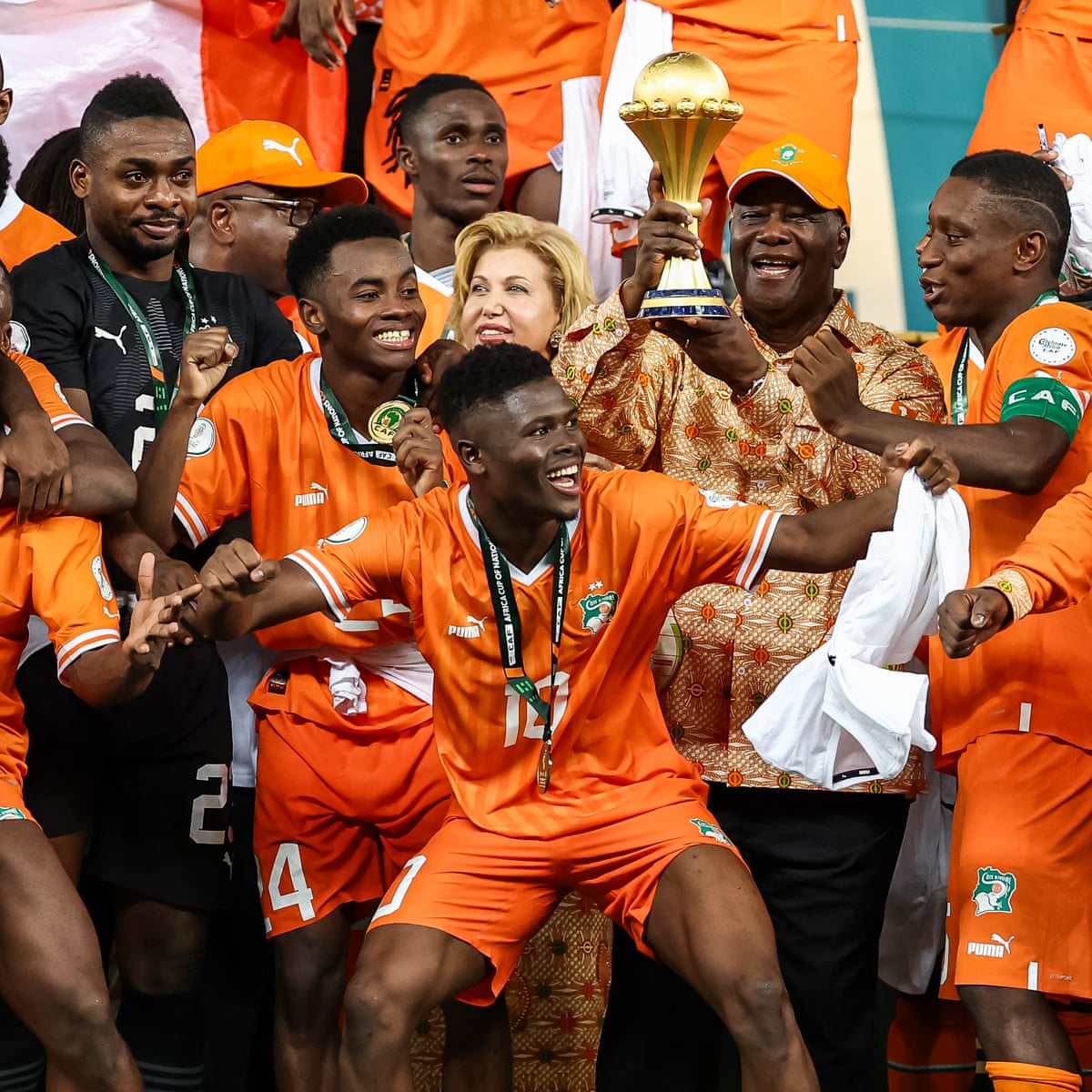
Afcon could move to December 2025 to avoid Club World Cup clash | Africa Cup of Nations
Another recurring debate around Afcon is its frequency. Since its first edition in 1957, the tournament has been held every two years rather than four.
In the early years, this made sense. African teams were not guaranteed World Cup places, and regular continental competition was vital for development, visibility and revenue.
Even as African representation at the World Cup expanded, the two-year cycle remained. Afcon provided consistent income through broadcasting, sponsorship and tourism, while giving national teams regular competitive football.
But as the global calendar became more crowded, the strain became obvious.
Afcon Moving to a Four-Year Cycle
Change is finally coming.
CAF president Patrice Motsepe announced that from 2028, Afcon will move to a four-year cycle, aligning more closely with other major international tournaments.
The idea was first proposed by FIFA president Gianni Infantino in 2020, alongside suggestions to streamline international windows between September and November.
For many, this shift feels overdue. A four-year cycle should reduce calendar congestion, improve preparation standards and potentially raise the tournament’s global profile.
However, it also marks the end of an era. Afcon’s regularity was part of its identity, and fewer tournaments means fewer opportunities for players and nations to shine.
Morocco’s December Showcase
For Morocco, hosting Afcon in December is not without advantages. The country enjoys relatively mild winter weather, and matches will be spread across Rabat, Casablanca, Marrakech, Agadir, Tangier and Fez.
Importantly, there will be no matches on Christmas Day, a small but symbolic nod to global audiences and players.
The tournament will also act as a rehearsal of sorts ahead of the 2030 World Cup, giving Morocco a chance to test infrastructure, logistics and security on a major international stage.
A Tournament Always Adapting

Afcon’s move to December is not a sign of weakness. If anything, it reflects how adaptable the competition has had to be in order to survive and thrive.
Climate challenges, global politics, expanding club competitions and shifting power dynamics have all shaped its history. Afcon has rarely been given an easy slot, yet it continues to produce unforgettable moments, shock results and genuine continental pride.
December 2025 may feel strange at first. But once the ball starts rolling, once the noise, colour and drama return, the timing will matter far less than the football itself.
Afcon has always found a way. This time, it’s just doing so in December.


There are no comments yet. Be the first to comment!