














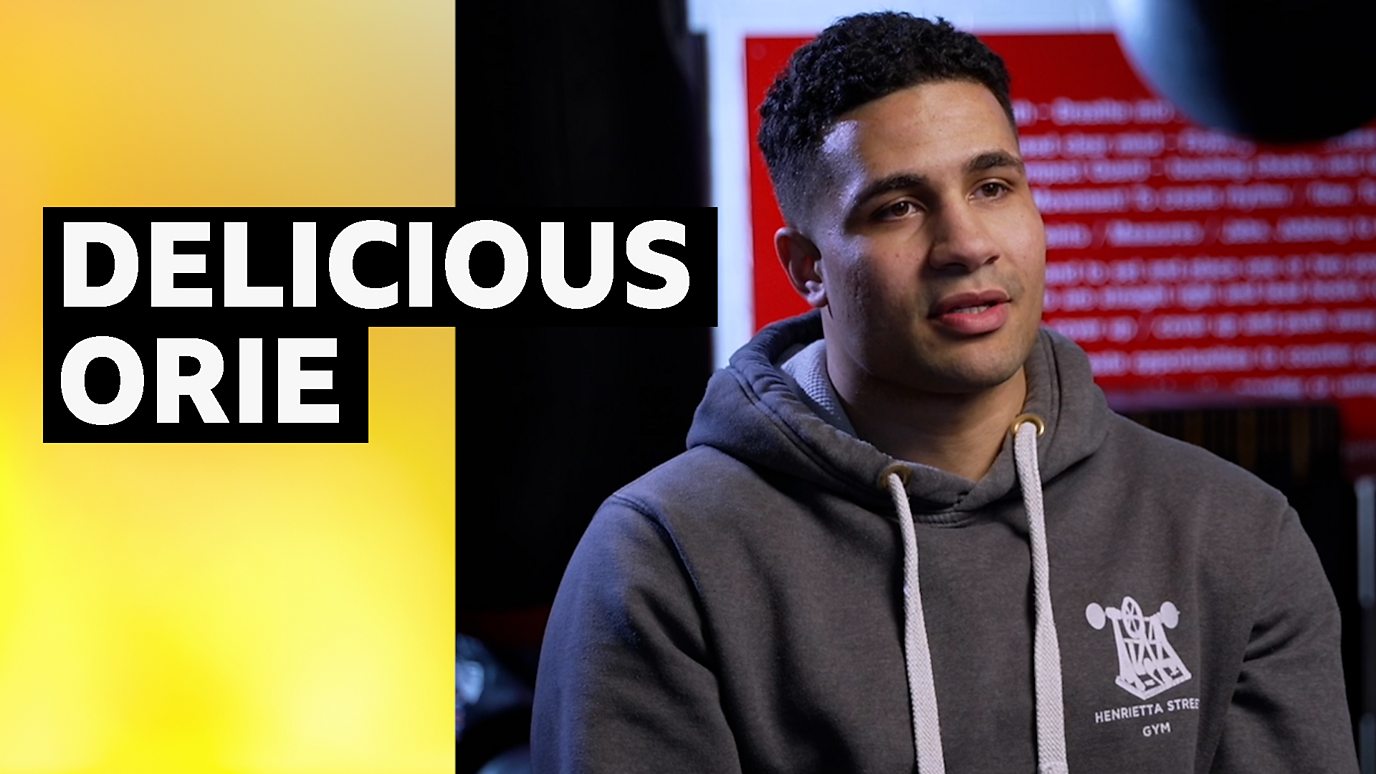
Why Depression Fears Drove Delicious Orie Retirement Decision Despite Heavyweight Stardom Within Reach
Depression fears drove Orie’s retirement decision as boxing success failed to bring fulfilment
In a sport built on toughness, resilience, and the refusal to quit, walking away is often viewed as the ultimate contradiction. Boxing celebrates endurance above almost everything else. Fighters are taught to push through pain, ignore doubt, and chase victory regardless of personal cost. That is precisely why Delicious Orie’s decision to retire shocked the boxing world — and why his explanation has resonated far beyond the ropes.
Just a year ago, Orie appeared destined for heavyweight superstardom. Promoters battled for his signature following the Paris Olympics, major broadcasters saw him as a future headline attraction, and British boxing believed it had discovered its next marquee figure. Yet before momentum could truly begin, Orie stepped away entirely.
His reason was neither injury nor defeat.
It was the growing fear that success itself might cost him his happiness.
“I fear that I would have ended up being a world champion but a very depressed, sad and miserable world champion,” he admitted — a statement that cuts through boxing mythology with rare honesty.
From Olympic ambition to professional expectations
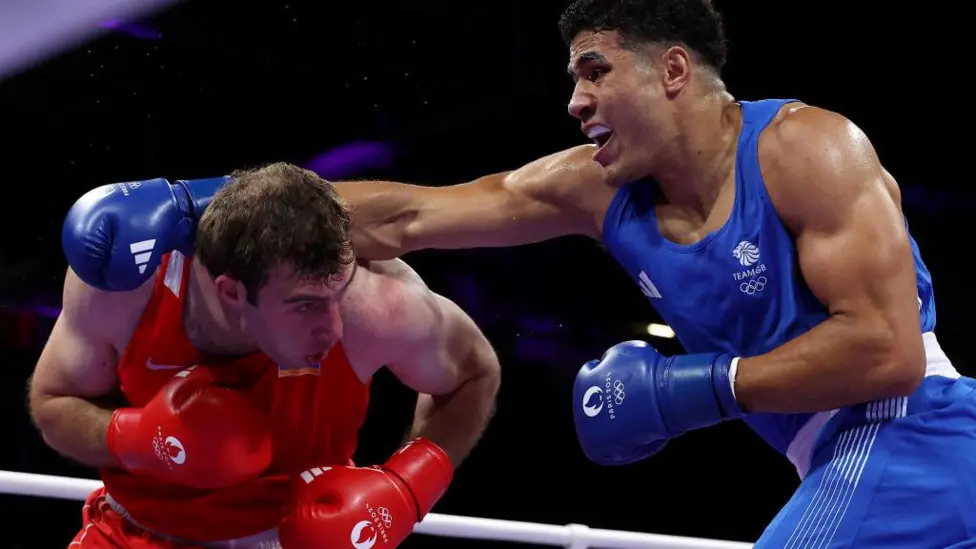
Orie’s journey into boxing was unconventional from the start. Born in Russia and raised in the United Kingdom after moving as a child, he discovered the sport relatively late, beginning at 18 — an age when many elite amateurs are already deep into international competition.
Yet what he lacked in early exposure he compensated for with relentless discipline. Coaches quickly recognized his intelligence, athleticism, and dedication. Within a few years, he transformed from novice into one of Team GB’s standout heavyweights.
The Olympic dream became everything.
Like many amateur fighters, Orie built his identity around a single objective: standing atop the podium. Every sacrifice — missed birthdays, skipped celebrations, time away from family — was justified by that vision.
“There was no plan B,” he later reflected. “It was tunnel vision.”
When the Olympic medal failed to materialize, the emotional shift was subtle but powerful. Years of purpose suddenly lost their anchor. Athletes often describe this moment as an invisible void — not failure exactly, but disorientation.
For Orie, it marked the beginning of deeper questions he had not yet fully confronted.
The professional dream — and the illusion of fulfilment
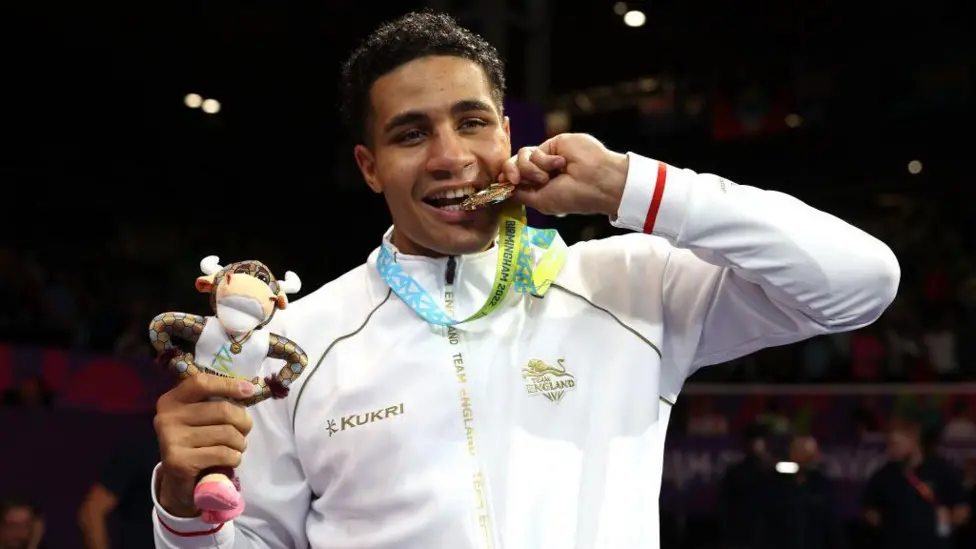
Despite Olympic disappointment, Orie entered the professional ranks surrounded by enormous hype. Promoters recognized both his athletic potential and his marketability. A bidding war unfolded, with leading promotional companies eager to secure boxing’s next heavyweight attraction.
Frank Warren’s Queensberry Promotions ultimately won the race, beating rival interest that even extended beyond boxing into entertainment industries.
Financially, everything changed overnight.
As a teenager, Orie had dreamed of wealth. Like many young athletes from modest backgrounds, money represented freedom, security, and happiness. Turning professional delivered exactly what he had worked toward for nearly a decade.
But something unexpected happened.
“I thought money would make me happy,” he explained. “I genuinely thought money was the answer to my emptiness.”
Instead, he discovered the opposite.
The financial rewards arrived, yet the sense of fulfilment never followed. Training sessions began to feel heavier. Motivation faded. The internal fire that once drove him through exhausting amateur years no longer burned with the same intensity.
Boxing had stopped being a calling and started feeling like an obligation.
A debut victory that raised deeper doubts
Orie’s professional debut against Milos Veletic was designed as a comfortable introduction — the kind of fight meant to showcase promise rather than test resilience. He won, but the performance lacked the dominance many expected.
For observers, it was simply a learning experience.
For Orie, it became confirmation of an internal struggle.
He remembers sparring sessions where every punch absorbed triggered the same question: Why am I doing this?
That question is dangerous in boxing. Unlike many sports, hesitation carries physical consequences. A fighter who doubts his purpose risks more than defeat; he risks injury.
Orie recognized that reality early.
He faced a choice: continue chasing financial success while emotionally disconnected from the sport, or step away while still in control of his future.
Depression fears drove Orie’s retirement decision before boxing could take its toll
The turning point came when Orie began considering not just performance, but mental health.
He had seen boxing’s darker side. Fighters achieving fame yet struggling privately. Champions battling depression long after the applause faded. The example of heavyweights openly discussing mental health challenges made him reflect on his own trajectory.
“You start to find other things that could be destructive instead of constructive,” he said.
He feared becoming trapped in a cycle familiar within combat sports — chasing validation through victories while personal wellbeing quietly deteriorated.
What made the decision remarkable was its timing. Orie did not retire after decline or controversy. He walked away at the exact moment opportunity peaked.
In boxing terms, he left millions on the table.
But for him, continuing would have meant ignoring warning signs he could no longer dismiss.
Life after boxing and a new sense of purpose
Today, Orie works as a financial advisor — a career change that might seem dramatic but reflects his evolving priorities. Stability, personal growth, and helping others now replace rankings and fight purses.
He has also chosen to speak openly about his experience, particularly to young men navigating ambition and identity.
One regret remains: he initially made the retirement decision alone, without fully opening up to those closest to him. Looking back, he believes sharing his struggles earlier might have eased the emotional burden.
“Being strong mentally doesn’t mean cutting off your emotions,” he explained.
His message challenges traditional sporting narratives that equate toughness with silence. Instead, he argues that ignoring emotional struggles often creates deeper problems later.
Education, communication, and self-awareness, he believes, are essential tools athletes rarely receive alongside physical training.
Redefining success beyond titles and money
Perhaps the most powerful aspect of Orie’s story is how it reframes success. In boxing, achievement is measured in belts, knockouts, and paydays. Walking away voluntarily can appear like surrender.
Yet Orie views it differently.
He recalls watching Anthony Joshua win Olympic gold at London 2012 and feeling inspired not only by victory but by the sense of purpose it represented. Now, he hopes to inspire others in a different way — by demonstrating that fulfilment matters more than external validation.
Continuing his career, he believes, would have meant chasing approval rather than personal meaning.
“It would have been me seeking validation from others,” he said.
Stepping away forced him to confront a deeper truth: happiness cannot be outsourced to success, wealth, or public recognition.
A rare ending in a sport that rarely stops
Boxing stories usually end after punishment accumulates — after losses, injuries, or fading relevance. Orie’s story stands apart because it ended through clarity rather than necessity.
He chose uncertainty over guaranteed success.
In doing so, he challenged one of sport’s oldest assumptions: that quitting is failure.
For Delicious Orie, retirement was not an escape from boxing. It was an act of self-preservation — a decision shaped by the understanding that becoming a champion means little if the journey destroys the person underneath.
And perhaps that is why his story continues to resonate.
Because sometimes the bravest move a fighter can make is not stepping into the ring, but knowing when to step away from it.


There are no comments yet. Be the first to comment!