































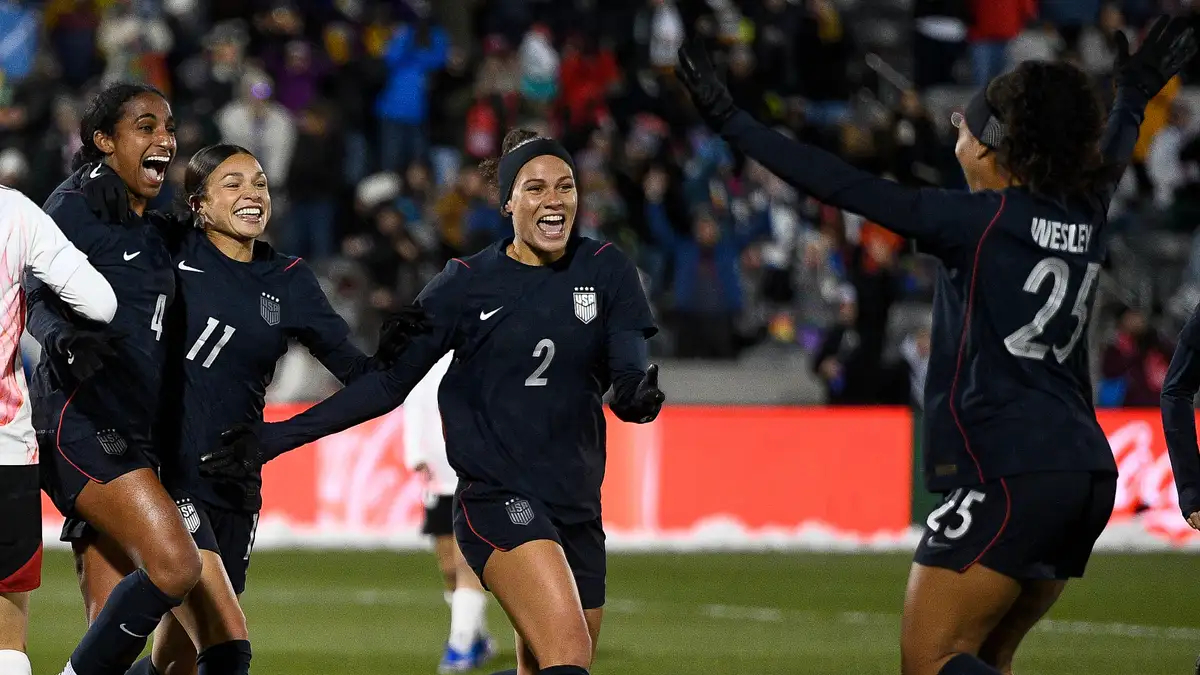
USWNT Set for June Doubleheader vs Brazil in São Paulo and Fortaleza — “These Two Games Check All Those Boxes”
“These Two Games Check All Those Boxes” — USWNT Set for June Doubleheader vs Brazil in São Paulo and Fortaleza
There are friendlies… and then there are “friendlies” that feel like anything but.
When the United States Women’s National Team lock horns with Brazil women’s national team, the label on the fixture almost doesn’t matter. History, pride, style, identity — it all comes bundled into ninety minutes that usually delivers far more than a standard international outing.
So when it was confirmed that the USWNT will travel to Brazil for a June doubleheader — one in São Paulo, the other in Fortaleza — it didn’t feel like routine scheduling. It felt deliberate. Strategic. Maybe even a little symbolic.
And if you listen to Emma Hayes, that’s exactly the point.
A Return to Brazilian Soil — Long Overdue
It’s been more than a decade since the USWNT last played Brazil on Brazilian soil. 2014, to be exact. In that time, both teams have evolved, reshaped, redefined themselves in different ways.
So this trip carries a certain weight.
Out of 43 meetings between these two nations, only six have taken place in Brazil. That alone tells you how rare this setting is. The record there? Perfectly balanced — two wins each, two draws. No dominance, no clear pattern. Just a reminder that when these teams meet in Brazil, things tend to level out.
And maybe that’s part of the appeal.
Because stepping into that environment — hostile crowd, unfamiliar rhythm, different energy — is exactly what top teams need if they want to grow.

Two Cities, Two Stages, One Big Test
The first match lands in São Paulo at the Neo Química Arena on June 6. Three days later, the scene shifts to Fortaleza and the Arena Castelão.
On paper, they’re just venues. In reality, they’re a glimpse into the future.
Both stadiums are set to host matches during the 2027 FIFA Women’s World Cup. So for players, staff, and even analysts, this isn’t just about results — it’s reconnaissance.
What’s the pitch like? How does the ball move in those conditions? What’s the crowd atmosphere like when the stands are packed with local fans?
These are details you don’t pick up from scouting reports. You have to live them.
A Rivalry That Rarely Disappoints
If you’re looking for context, you don’t have to dig too deep.
This rivalry has produced some of the most memorable moments in women’s football history. From dramatic knockout clashes to technically brilliant displays, USWNT vs Brazil almost always delivers something worth remembering.
And recently, it’s been anything but predictable.
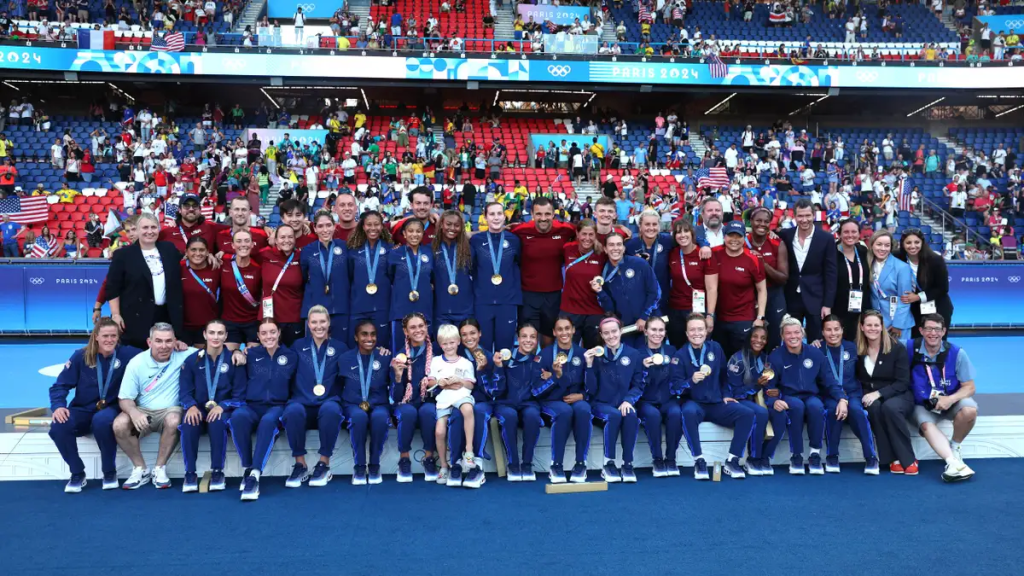
Take the 2024 Summer Olympics final in Paris. One goal decided it. Mallory Swanson with the decisive strike. Tight margins, high stakes, no room for error.
Fast forward to 2025, and the two teams split a doubleheader in the United States. A 2-0 win for the Americans in California, followed by a 2-1 response from Brazil in San Jose.
So while the overall head-to-head leans heavily toward the US — 34 wins, just four losses — the recent trend suggests something else: this gap isn’t as wide as it used to be.
And Brazil, especially at home, will see this as an opportunity.
Emma Hayes’ Philosophy — Lean Into Discomfort
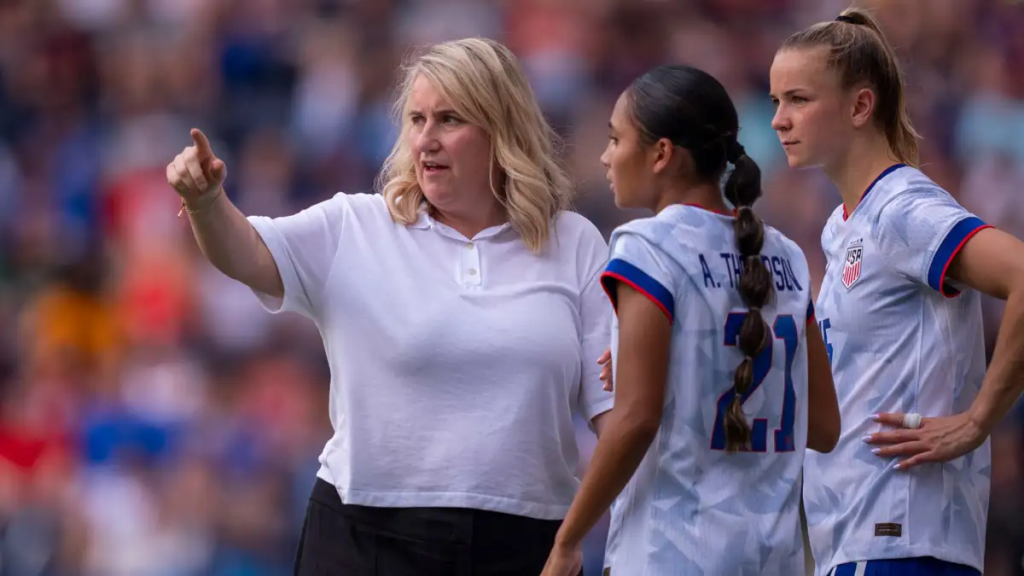
Hayes didn’t try to dress it up.
“We want to play the best teams in the most difficult environments,” she said. Simple as that.
And that line tells you everything about her approach.
There’s no interest in easy wins or controlled conditions. The goal is to expose the team to pressure — real pressure. The kind where every touch is met with noise, every mistake amplified by the crowd.
Because that’s what international football looks like at the highest level.
You don’t win tournaments in comfort zones.
You win them when everything feels stacked against you — when the stadium is against you, the momentum is against you, and you still find a way.
That’s the environment Hayes is trying to recreate.
Why Brazil, Why Now?
Timing matters.
With major tournaments on the horizon and the global game becoming more competitive by the year, the USWNT can’t rely on past dominance. The margins are tighter now. The opposition deeper, faster, more organized.
Brazil, with their technical quality and attacking flair, represent exactly the kind of challenge that forces growth.
They play with freedom. With rhythm. With a kind of unpredictability that can disrupt even the most structured teams.
And when you add a home crowd into that mix? It becomes a real test.
More Than Just Two Matches
There’s another layer to this trip.
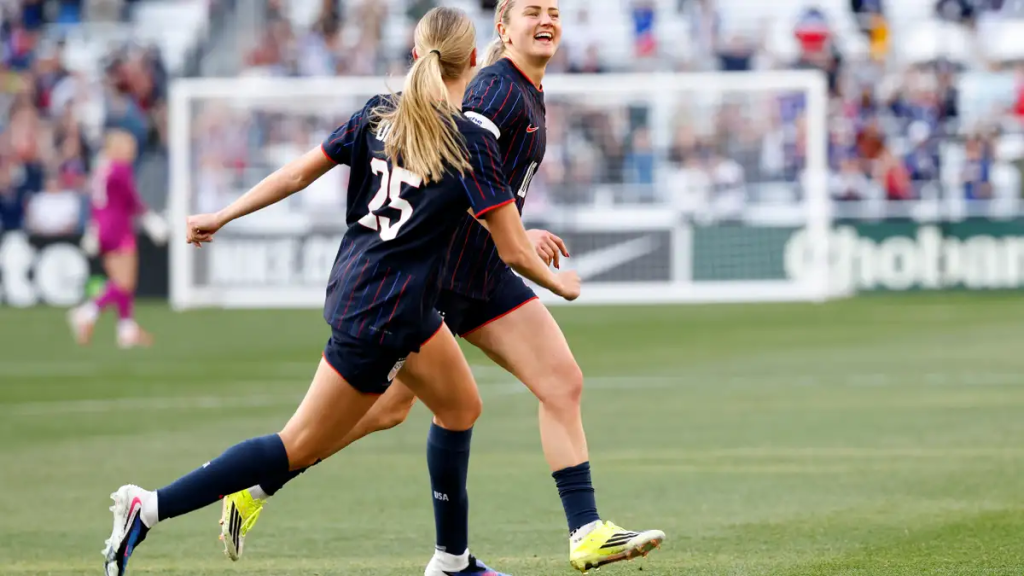
The June 6 game is part of a broader football showcase — a doubleheader that also features the United States men’s national team facing Germany national team at Soldier Field.
That match serves as a send-off ahead of the 2026 FIFA World Cup, adding an extra layer of significance to the window.
It’s not just about preparation — it’s about momentum. About setting a tone heading into a massive period for U.S. Soccer as a whole.
The Next Generation Getting a Taste
It’s not only the senior team making the trip.
The U.S. Under-23 side will also head to São Paulo, facing professional opposition during the same window. That’s a smart move.
Because development doesn’t happen in isolation. It happens in environments like this — unfamiliar, challenging, demanding.
Young players get to experience a different football culture, a different pace, a different expectation.
And for many of them, it’s a glimpse of what’s coming next.
What Success Really Looks Like Here
Here’s the interesting part: success in these games won’t be defined purely by results.
Of course, winning matters. It always does. But in this case, performance might matter more.
How does the team handle pressure?
How do they respond when momentum swings?
Can they stay composed when the crowd turns hostile?
These are the real questions.
Because when tournaments come around, those are the moments that decide everything.
A Subtle Shift in the Global Game
There’s a bigger story here too.
For years, the USWNT set the standard. Others chased. Others adapted. Others learned.
Now, the gap is closing.
Teams like Brazil aren’t just competitive — they’re confident. They believe they can win, not just compete.
And that belief changes everything.
It forces teams like the US to evolve, to adapt, to stay sharp. Because standing still isn’t an option anymore.
Final Thoughts
“These two games check all those boxes.”
It’s a simple line, but it carries weight.
Because what Emma Hayes is really saying is this: if you want to be the best, you have to seek out the toughest challenges. Not avoid them.
A trip to Brazil. Two intense matches. Hostile crowds. World Cup venues.
It’s not comfortable. It’s not easy.
But that’s exactly the point.
And by the time the final whistle blows in Fortaleza, the USWNT will know a little more about where they stand — and what still needs to be done.


There are no comments yet. Be the first to comment!