


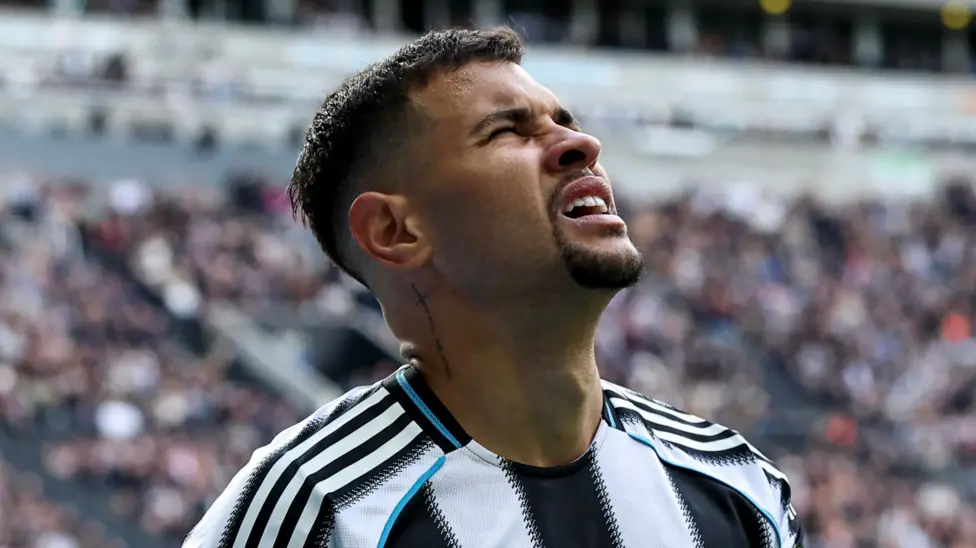
How Newcastle Bullies Became Too Nice: Why Eddie Howe’s Side Have Lost Their Edge
There was a time when facing Newcastle United felt like walking into a storm.
Opponents knew what was coming. Relentless pressing, fierce tackles, constant duels, a hostile stadium and a team that refused to back down. Under Eddie Howe, Newcastle built an identity that went beyond tactics. They became uncomfortable to play against.
They were organised, aggressive and emotionally charged.
They were, in Dan Burn’s own words, a side that “bullied teams”.
Now, that version of Newcastle feels further away than many supporters expected.
As they prepare for another difficult trip to Arsenal, Newcastle arrive in a very different mood. Confidence has drained, late goals keep hurting them, and a team once admired for resilience now looks strangely soft at key moments.
So how did Newcastle’s bullies become too nice?
How Newcastle’s Bullies Became Too Nice at the Worst Time
The contrast is sharp.
Only a short while ago, Newcastle were collecting statement results. They beat Manchester United with 10 men, earned a rare win away at Chelsea and pushed Barcelona to the limit at St James’ Park.
Those performances suggested grit still existed beneath the surface.
But since then, damaging defeats have returned familiar concerns. The loss to Bournemouth summed up the problem perfectly. Newcastle had momentum after equalising, the crowd was alive again, and the match looked there to be won.
Instead, they folded late.
Adrien Truffert ghosted into the box in the 85th minute and finished while several Newcastle players were still jogging back. The defending was passive. The reactions were flat. Heads dropped immediately.
That moment told a bigger story than one goal.
This is a side no longer imposing itself physically or mentally when matches tighten.
Newcastle Once Thrived on Being Hated
One of the turning points in the Howe era came in January 2023 at Arsenal.
The match ended 0-0, hardly a glamorous result, but internally it mattered. Newcastle stood firm at Emirates Stadium instead of collapsing under pressure as previous sides often had.
They frustrated Arsenal, slowed the rhythm, competed for every second ball and unsettled everyone around them.
Mikel Arteta was visibly irritated. So were Arsenal supporters.
For Newcastle, that was almost the point.
Soon after, Howe famously said his team were not there to be popular or liked. They were there to compete.
That Newcastle side embraced confrontation. They wanted the game played on their terms.
Today’s version seems far more polite.
Why Newcastle Have Lost Their Steel
There is rarely one single reason for decline. Usually it is several small cracks appearing at once.
Fatigue has played a part. Newcastle’s recent seasons have been intense, physically and emotionally. European football, cup runs and a demanding style can take a toll over time.
Uncertainty around player futures can also damage focus. When key figures are linked away or contracts become unresolved, dressing-room clarity can suffer.
Then there is squad wear and tear. Some core players who helped drive the rise are older now, while others have battled injuries or dips in form.
But none of that fully explains the scale of the drop.
This feels more psychological than physical.
The Newcastle that once expected to win duels now seem surprised when they lose them.
Kieran Trippier’s Words Said Plenty
After the Bournemouth defeat, Kieran Trippier did what leaders do. He faced the media, accepted responsibility and spoke honestly.
He admitted the team had drifted from what once made them feared.
That honesty matters because Trippier has seen both versions of this side up close. He was central to the team that transformed the atmosphere of the club and central again now as standards slip.
The defender is expected to leave at the end of the season, which makes his role even more telling. He remains one of the few natural voices in the squad.
When difficult moments arrive, leadership becomes visible.
Against Bournemouth, Trippier was the player grabbing the ball after conceding late and trying to restart quickly while others looked stunned.
That image should concern Newcastle.
Too many players appeared emotionally beaten before the match was over.
How Newcastle’s Bullies Became Too Nice in Defence
Strong teams can survive a blunt attack if they defend properly. They can survive defensive errors if they score enough.
Newcastle currently do neither consistently.
They struggle to control matches after taking leads and they concede too often in the closing stages. No side wants the label of being fragile, but the numbers are hard to ignore.
Throwing away points from winning positions is not just tactical. It reflects game management, concentration and mentality.
The old Newcastle protected leads with aggression. They won headers, slowed transitions, committed cynical fouls when needed and treated every clearance like a personal matter.
Now there is hesitation.
That split-second softness is enough in the Premier League to turn wins into draws and draws into defeats.
Have Opponents Worked Them Out?
There may also be a tactical element.
Howe’s methods were once fresh and explosive. High pressing, vertical attacks and emotional intensity overwhelmed teams not ready for it.
Over time, rivals adjust.
Managers now know Newcastle can be dragged into transitions, stretched late in games and exposed when energy levels fall. If substitutions do not shift momentum, matches can become predictable.
That does not mean Howe’s ideas no longer work. It means they need refreshing.
Every successful coach eventually reaches this point. The first plan raises you. The next evolution keeps you there.
Eddie Howe’s Biggest Test Yet
Howe has earned enormous credit for transforming Newcastle.
He took over a club in survival mode and helped turn it into a trophy winner and Champions League participant. That achievement should not be erased by a poor run.
But football moves quickly.
The challenge now is different from the early days. Then, he had to build belief. Now, he must restore standards.
That can be harder.
When players have already tasted success, urgency sometimes fades. Recreating hunger inside a comfortable environment is one of management’s toughest tasks.
Howe himself has admitted the team need to respond better.
That suggests he knows this is no longer about systems alone.
It is about mentality.
Can Arsenal Bring the Old Newcastle Back?
Trips to Emirates Stadium once suited this Newcastle team because they loved the fight.
They relished silencing crowds, spoiling rhythm and turning matches ugly if necessary. Arsenal knew they were in for a difficult evening.
Saturday offers Newcastle a chance to remember who they were.
No one expects flowing dominance away from home. But supporters will want to see something more basic: duels won, runners tracked, voices heard, standards defended.
Sometimes recovery begins not with a win, but with rediscovering identity.
How Newcastle’s Bullies Became Too Nice — And How They Reverse It
The answer is not mysterious.
They must become harder to play against again.
That means defending crosses like it matters. Sprinting back instead of jogging. Contesting second balls with anger. Protecting leads with discipline. Showing personality when pressure arrives.
Technical quality is important, but Newcastle’s rise was built on character first.
When they were feared, it was because opponents knew every minute would hurt.
Right now, too many teams look comfortable against them.
If Newcastle want to climb again, they do not need to become reckless.
They simply need to stop being so nice.


There are no comments yet. Be the first to comment!