


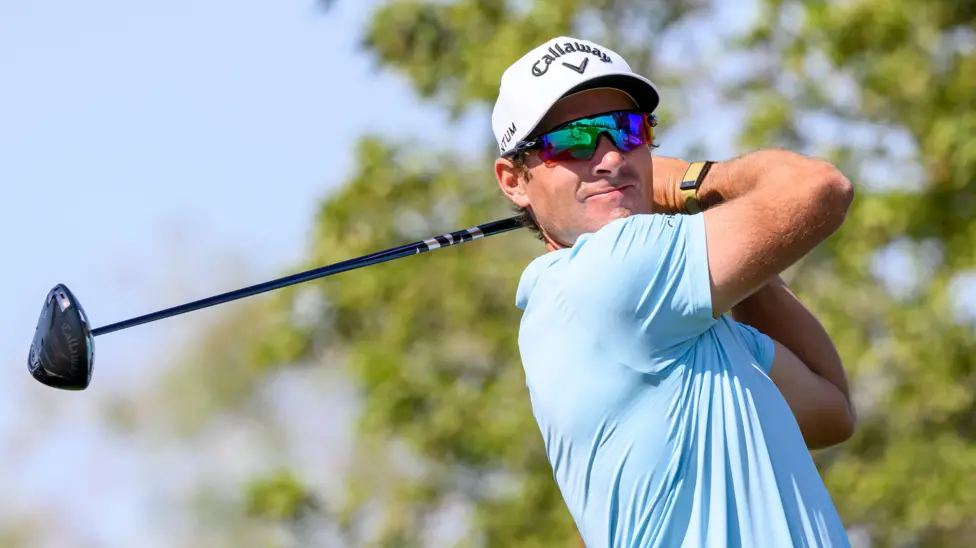
Pavan Optimistic of Return After Lift Shaft Fall and Long Recovery Battle
Professional sport is built around routines. Players wake early, train, travel, compete and repeat. Careers are shaped by practice plans, swing changes, schedules and margins measured in millimetres. Every so often, though, life interrupts sport in the most brutal way.
That is what happened to Andrea Pavan.
The Italian golfer’s season was suddenly transformed in February after a shocking accident in South Africa, when he fell down an open lift shaft at private accommodation near Stellenbosch Golf Club. What should have been a normal tournament morning became a medical emergency, followed by surgery, rehabilitation and months of uncertainty.
Now, after the trauma and pain of those first days, Pavan says he is optimistic of return.
For any athlete, those words matter. For someone recovering from injuries this severe, they carry even greater weight.
Pavan Optimistic of Return After Lift Shaft Fall in South Africa
The details of the accident remain startling.
Pavan had been preparing for the South African Open and was due to head to the course for breakfast before an afternoon pro-am appearance. Realising he had left a locker key in his apartment, he returned briefly to retrieve it.
Then everything changed.
He approached the lift, opened the door and stepped forward, only to discover there was no lift car behind it. Before he could react, he dropped three storeys into the shaft.
It is the kind of incident people struggle to imagine until they hear it described. One ordinary movement. One familiar action. Then chaos.
Pavan later recalled finding himself at the bottom of the shaft, conscious but in severe pain, calling for help.
That he was awake at all felt fortunate.
Severe Injuries and Emergency Surgery
The fall caused major damage.
Pavan suffered a serious shoulder fracture as well as fractures to several vertebrae in his back. He was taken to a local hospital, where doctors performed major surgery.
For a golfer, shoulder injuries alone can threaten careers. Add spinal fractures and the scale of the challenge becomes obvious.
Golf swings generate speed through rotation, balance and repeated stress through shoulders, back and core muscles. Even routine practice sessions demand physical freedom many people underestimate.
That means recovery is not simply about walking normally again. It is about returning to elite movement patterns under pressure.
Pavan knows this.
That is why he has spoken carefully about timelines, preferring steps rather than promises.
Why Andrea Pavan Is Taking Recovery Step by Step
His approach feels realistic and wise.
Rather than naming a comeback date, Pavan has explained that progress will be measured in stages. Around three months, doctors can better assess bone healing. Around six months, fuller recovery patterns may become clearer, especially in the shoulder joint.
Even then, uncertainty remains.
There may be soft tissue damage still to assess. A second surgery could become necessary. There is also concern around complications such as necrosis, where insufficient blood flow affects healing bone.
These are not small issues.
Many fans hear “surgery successful” and assume a straight line back to competition follows. In reality, serious recoveries are rarely linear. There are good weeks, frustrating setbacks, stiffness, pain management and constant reassessment.
Pavan’s optimism therefore sounds grounded, not naive.
He understands both the risks and the road ahead.
The Shoulder Problem Matters Most for Golf
Among all the injuries suffered, the shoulder may be the biggest sporting challenge.
Golf demands control, rhythm and repetition. A full swing places enormous strain on the shoulder complex, especially at speed. Even slight restrictions in mobility can change mechanics, timing and confidence.
Players often describe the golf swing as something that must feel natural. If a golfer starts protecting one side subconsciously, compensations appear elsewhere.
That can lead to poor form or fresh injuries.
So when Pavan says he hopes to swing fully in less than a year, it reflects both ambition and realism. Elite golfers do not just need to be pain-free. They need trust in their body.
That trust takes time.
The Mental Recovery Often Goes Unseen
Physical healing is only one part of this story.
Accidents like this can leave mental scars too. A sudden fall, helplessness, severe pain and emergency rescue are deeply traumatic experiences. Even once bones heal, the memory can linger.
Athletes are often expected to be relentlessly positive, but genuine recovery usually includes fear, frustration and moments of doubt.
There is also identity to manage.
When sport has shaped your daily life for years, being unable to train or compete can feel disorienting. Tournaments continue. Rankings move. Others play while you rehab.
That emotional side rarely makes headlines, but it is real.
Pavan’s calm public tone suggests resilience, yet resilience does not mean the process is easy.
Golf Community Support Made a Difference
One of the most striking parts of Pavan’s story is the support he received from fellow professionals.
While the tournament continued, players visited him in hospital. Some stayed awake late into the night waiting for news after surgery despite competing the next day.
That kind of solidarity matters more than people realise.
Professional golf can appear individualistic because players compete alone, travel independently and manage personal teams. Yet beneath that surface, there is often strong camaraderie among those who understand the lifestyle.
They know how lonely injury can feel. They know how quickly fortunes can change.
For Pavan, those visits and gestures clearly meant a great deal. He described the support as comforting and overwhelming.
Sometimes the biggest help is simply not feeling alone.
Pavan Optimistic of Return After Lift Shaft Fall and Back Home in Texas
After seven days in hospital in South Africa, Pavan returned home to Texas, where the longer phase of rehabilitation now begins.
Home recoveries can be different from hospital care. There is more comfort, more privacy and often more emotional stability. But there is also the daily grind of physio sessions, exercises and slow progress that no crowd ever sees.
This is where patience is tested.
A player used to travelling the world and competing for titles must suddenly celebrate small wins: a little more movement, a little less pain, another positive scan.
Those milestones may seem modest from outside. To injured athletes, they are everything.
What a Comeback Could Mean
Pavan is a two-time DP World Tour winner with years of elite experience. He has already built a respected career. Yet moments like this can redefine what success means.
Winning trophies is one thing.
Returning from a life-changing accident is another.
If he does make it back to competitive golf, every first tee shot, every practice round and every tournament walk will carry added meaning. Fans often admire champions. They connect even more deeply with survivors.
And make no mistake, this has been a survival story as much as a sporting one.
Pavan Optimistic of Return With Good Reason
Optimism in recovery is delicate. Too much can become unrealistic. Too little can become draining.
Pavan seems to have found the right balance.
He is honest about unknowns. Honest about risks. Honest about how demanding the shoulder is for a golfer. Yet he also believes progress is possible and that a return remains within reach.
That mindset matters.
No doctor can rehab for you. No surgeon can provide patience. At some stage, the athlete must do the repetitive work, endure setbacks and keep moving.
Andrea Pavan appears ready for that challenge.
After a terrifying fall and months of uncertainty, being optimistic of return is not just a medical update. It is a statement of intent.


There are no comments yet. Be the first to comment!