















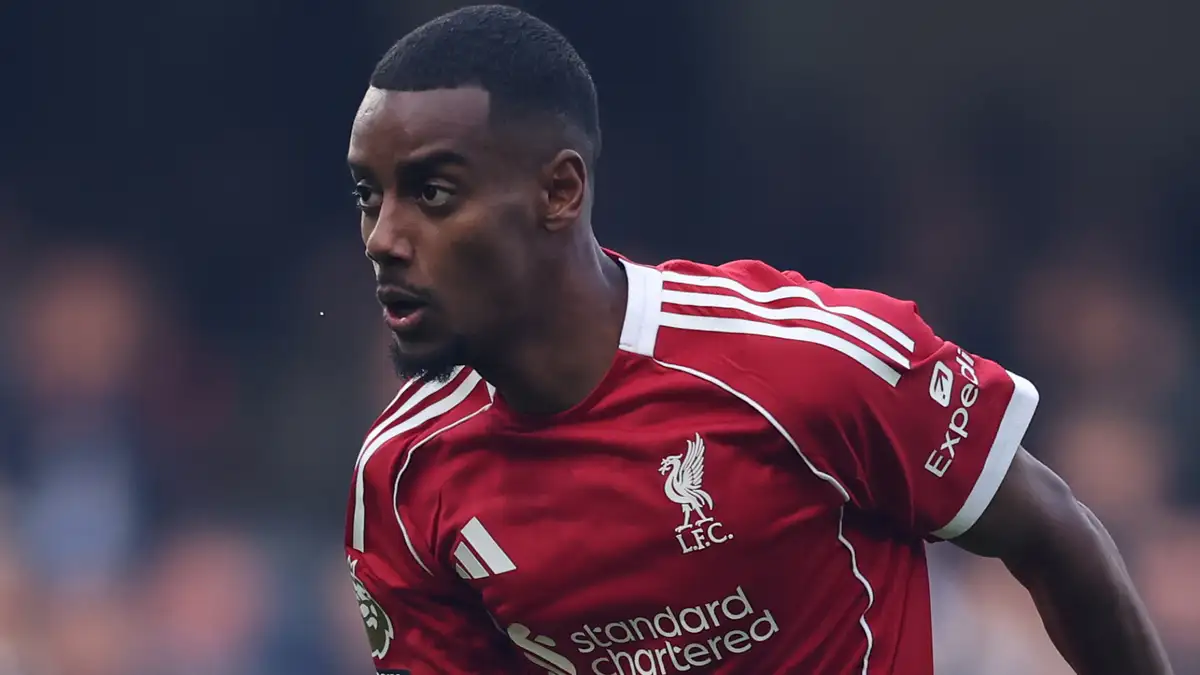
‘Best Four or Five Strikers in the World’ – Alexander Isak Backed to Justify £125m Price Tag at Liverpool as Michael Owen Talks Up ‘Exciting’ Talent
Why Alexander Isak Is Still Backed to Justify His £125m Price Tag at Liverpool as Michael Owen Talks Up an ‘Exciting’ Talent
When Liverpool decided to break the British transfer record for Alexander Isak in the summer of 2025, the reaction across English football was exactly what you would expect: shock, intrigue, and a fair bit of debate. £125 million for a striker is the kind of number that instantly changes the conversation. It doesn’t just buy a player — it buys scrutiny, expectation, and a level of pressure that never really goes away.
And yet, for all the noise that followed the move, one thing has not changed among those who genuinely understand elite forwards: belief in the player himself.
That belief has now been voiced loudly again by Michael Owen, who has made it crystal clear that, in his view, Liverpool’s big-money gamble on Isak still makes complete footballing sense. The former Reds striker has backed the Swedish international to prove he was worth every penny, even after a first season at Anfield that has been derailed by injury and, in many ways, robbed of rhythm before it ever really had the chance to breathe.
It’s a timely reminder, because in football — especially in England — we are often far too quick to judge expensive signings on the basis of a few difficult months. With Isak, the temptation to do that is understandable. Liverpool spent a British record fee, expected an immediate attacking spark, and instead found themselves watching their marquee forward spend most of the campaign on the treatment table.
But if you zoom out just a little, the picture looks very different.
This is still one of the most naturally gifted centre-forwards in Europe. Still one of the most elegant finishers in the game. Still, as Owen put it, one of the “best four or five strikers in the world.”
And if he gets healthy, Liverpool may yet feel they’ve signed a player capable of defining the next era at Anfield.
Liverpool Broke the British Record Because They Believed Alexander Isak Could Change Everything
You don’t spend £125 million on a striker unless you believe he can tilt the balance of a title race, carry a front line, and become the face of your attack for years to come. That is the bracket Liverpool entered when they prised Isak away from Newcastle, and that is exactly why the transfer made so much sense at the time — even if the fee felt eye-watering.
Newcastle, naturally, had no intention of letting him go cheaply. Why would they? Isak had already proven himself in the Premier League, and that matters more than almost anything when clubs are shopping at the very top end of the market. This wasn’t a case of Liverpool buying potential from another league and hoping it translated. They were buying a striker who had already shown, over consecutive seasons, that he could score heavily in England and do it against every type of opposition.
That matters.
There are forwards who look brilliant in flashes, and then there are forwards who carry a sense of inevitability when they receive the ball in dangerous areas. Isak belongs in the second category. When he is fit and confident, he has that rare ability to make difficult things look effortless. The glide, the touch, the timing, the calmness in front of goal — it all feels unusually smooth for a player with his size and frame.
That is what Liverpool paid for.
Arne Slot, coming off the back of a title-winning campaign and looking to keep the momentum alive on Merseyside, clearly saw Isak as more than just another option. He saw him as a statement signing. A player who could take an already powerful team and make it even more dangerous in those big, season-defining moments when margins are microscopic and elite finishing decides everything.
At the time, many felt Liverpool had added another huge piece to a title-winning machine.
The frustrating part is that we’ve barely had the chance to see that theory tested properly.
‘Best Four or Five Strikers in the World’ – Why Michael Owen Still Believes Alexander Isak Will Deliver at Liverpool
Michael Owen’s backing of Isak isn’t just nostalgic former-player optimism. It actually carries weight, because Owen is talking specifically about the quality of the individual rather than the politics of the transfer fee.
And that distinction matters.
There’s a tendency in modern football to bundle everything together: the fee, the wage bill, the club strategy, the pressure, the media reaction. But sometimes the cleanest way to judge a player is the simplest one — ask whether he is genuinely top-class. In Isak’s case, Owen’s answer is emphatic.
He sees an elite striker. Not a maybe. Not a project. Not a player who needs excuses.
An elite striker.
And honestly, it’s hard to disagree.
Even before the injury, there were signs that Isak was beginning to settle into life at Anfield. He wasn’t exploding statistically yet, but there were little flashes that reminded everyone why Liverpool had gone so hard for him. The movement between the lines. The way he peeled into half-spaces. The confidence to receive under pressure and still make the next touch count. And then there was that goal against Tottenham — a lovely finish, the kind that looked simple only because he made it look that way.
It ended up becoming a cruel snapshot of his season.
Score, show quality, then leave the pitch injured.
That’s the sort of moment that can completely distort how a debut campaign is remembered. If that injury doesn’t happen, maybe we’re talking now about a player who has already built momentum, found chemistry with the front line, and heads into the spring run-in as one of Liverpool’s most important men. Instead, we’re discussing rehab schedules and cautious medical timelines.
But Owen’s point is still the right one: the injury changes availability, not ability.
And ability has never been the issue with Alexander Isak.
The Numbers Don’t Look Pretty, But They Don’t Tell the Full Story
On paper, Isak’s first season at Liverpool looks underwhelming.
Before the injury setback in December, he scored only three goals in all competitions, with just two of those coming in the Premier League. For a £125 million striker, those numbers invite criticism immediately. In another context, they would dominate the conversation.
But context is everything.
First, it was a debut season in a new environment, under a new manager, in a side still adjusting after major investment and tactical tweaks. That alone can create a settling-in period, even for top-level players.
Second, he was beginning to find his feet when the injury hit.
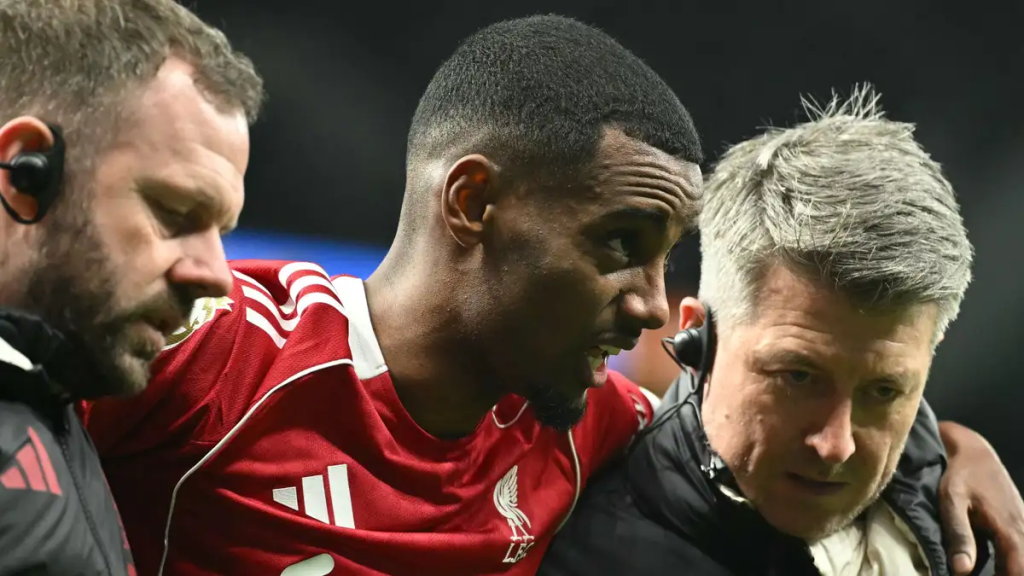
And third — most importantly — a broken leg and ankle damage suffered in late December is not a minor interruption. It’s the sort of injury that wipes out months, destroys continuity, and forces a player to start again physically and mentally. Since that game against Tottenham on December 20, Isak has missed 21 matches across all competitions.
That is not a small absence. That is effectively a season split in two.
It also explains why any serious evaluation of his first year at Liverpool has to be postponed. You can critique the output if you want, but you can’t honestly pretend this has been a normal debut campaign. It hasn’t. It’s been a stop-start, physically brutal first chapter that never really got a fair chance to settle into a proper rhythm.
And Liverpool know that too.
That’s why there is no panic around him internally, at least not in the sense some outsiders might expect. Frustration, yes. Disappointment, naturally. But panic? No.
Because when clubs spend that kind of money on a player like Isak, they are not buying six months. They are buying the next four or five years.
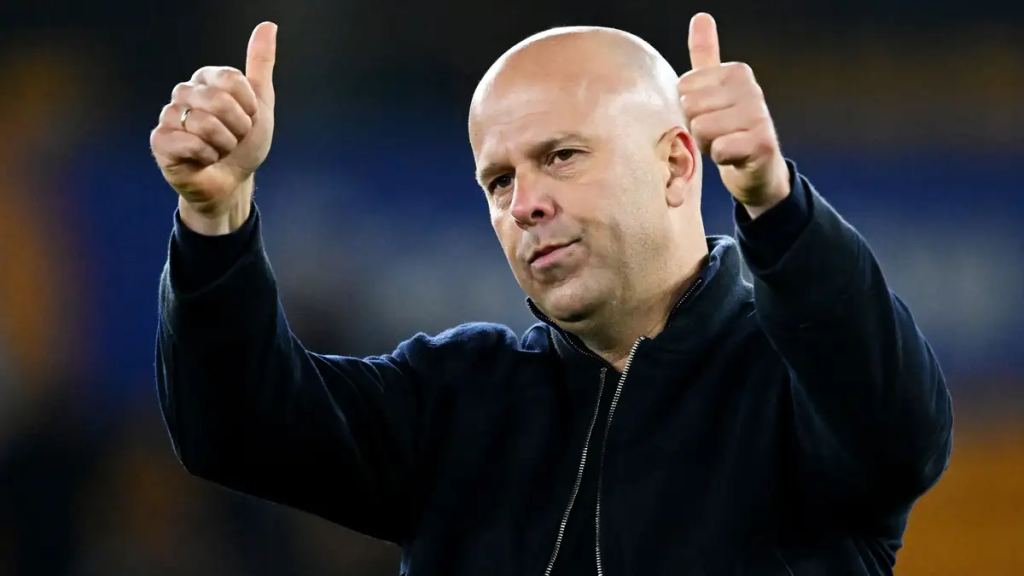
Liverpool’s Season Has Moved On Without Him — But His Return Could Change the Ending
One of the more interesting parts of this story is that Liverpool have managed to remain highly competitive even without Isak.
Despite losing their record signing for a huge stretch of the campaign, they have stayed firmly in the top-four race, reached the FA Cup quarter-finals, and pushed into the last eight of the Champions League. That says plenty about the strength of Slot’s squad, but it also says something else: this team still has unfinished business, and there may yet be a perfect moment for Isak to re-enter the picture.
That is why the final stretch of the season suddenly feels so important.
Liverpool resume after the international break with a huge FA Cup quarter-final against Manchester City on April 4 — the kind of game that can define mood, momentum, and belief in an instant. Then comes a heavyweight Champions League quarter-final first leg in France against Paris Saint-Germain, a tie that feels absolutely massive even before a ball has been kicked.
Add in a tricky Premier League run featuring Everton, Manchester United, and Chelsea, and the stage is there for dramatic late-season swings.
Now imagine adding a fit Alexander Isak back into that mix.
Even if he returns short of full sharpness, the psychological lift alone would be significant. Opponents prepare differently when he’s available. Defenders think differently. Managers set up differently. Liverpool’s attack suddenly has a different profile when a striker of his calibre is back in the fold.
That’s what Owen was getting at when he called him “a huge boost.”
He’s right.
Because Isak is not just another body returning from injury. He is a player who can change how Liverpool function in the final third. He can stretch lines, isolate defenders, drift wide and still arrive centrally, and finish chances that lesser forwards turn into half-opportunities.
If Liverpool are going to chase silverware in these final weeks, having him available — even in controlled minutes at first — could matter a lot.
Pressure Comes With the Price Tag, But Great Players Live With It
There’s always a temptation to make the fee the story.
£125 million.
British record.
Most expensive player in the country.
Big expectations.
Big spotlight.
All of that is true. And yes, if Isak returns next season and still doesn’t deliver, the questions will only get louder. That’s the reality of elite football. Nobody gets hidden when the numbers are that large.
But Owen is right again on the central point: pressure exists anyway.
At Liverpool, every major attacker is under pressure.
At Anfield, every missed chance is replayed.
At the top of the Premier League, every expensive signing is judged in public.
That doesn’t make Isak’s situation unique. It just makes it visible.
The best players handle that by doing what they’ve always done — playing their football.
And Isak, when healthy, has too much quality not to influence this team eventually. He is too complete. Too technically polished. Too elegant for a pure target man, too clinical for a creator-first forward, and too intelligent in his movement to be reduced to a one-dimensional striker label.
That’s what makes him so exciting.
He’s not simply a goalscorer.
He’s a modern elite forward with old-school striker instincts.
Those are rare.
Final Word: Write Off Alexander Isak at Your Own Risk
If you want to judge Alexander Isak’s first season at Liverpool purely by the numbers, you can. Three goals, a long injury layoff, and a debut year that has felt more frustrating than transformative.
But football is rarely that simple.
The smarter view — and probably the more accurate one — is that this has been a lost season, not a failed signing. There’s a big difference. One is about circumstances. The other is about quality.
Michael Owen clearly believes the quality is beyond question, and on that point he’s speaking for plenty of people who have watched Isak closely over the last few years. When fit, he is one of the most graceful and dangerous strikers in Europe. He combines technical quality with composure, athleticism with intelligence, and flair with ruthless finishing.
That profile doesn’t disappear because of one injury-hit season.
Liverpool didn’t spend £125 million by accident. They spent it because they believed they were buying a difference-maker. A striker who could carry big moments, big games, and big expectations.
Right now, that bet is on pause.
It is not dead.
Not even close.
If Isak gets back fit, if Liverpool manage his return properly, and if next season finally gives him the platform this one has denied him, there’s every chance we’ll look back on the current noise as little more than an impatient overreaction.
And if that happens, the phrase “best four or five strikers in the world” won’t sound like hype at all.
It’ll sound like common sense.


There are no comments yet. Be the first to comment!