


























































































Tiger Woods Eyes Masters Return After Emotional Comeback in TGL
Tiger Woods Targets Masters Following Long-Awaited Return to Action in TGL
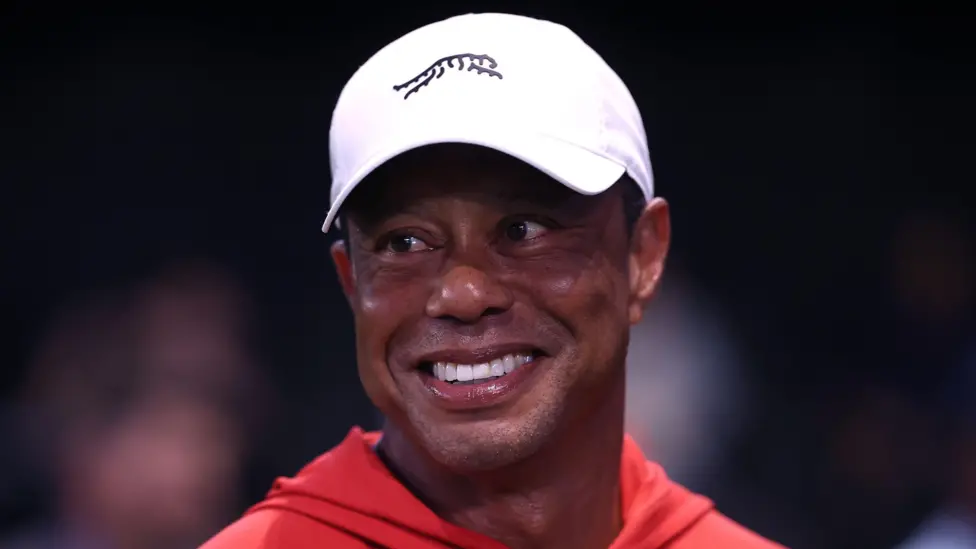
For Tiger Woods, simply walking back into competitive golf felt like a victory in itself. After more than a year away from meaningful action, the 15-time major champion finally returned to competition during the closing stages of the TGL season — and while the result did not go his way, the bigger picture suddenly looks far more hopeful.
Now, with Augusta National looming on the horizon, Woods has set his sights on a familiar dream. The five-time Masters champion admits he is “trying to play” at next month’s tournament, a statement that carries both optimism and caution from a golfer who understands his body better than anyone else.
At 50 years old and after multiple surgeries in recent years, every comeback attempt comes with uncertainty. Yet Woods’ presence alone during Jupiter Links’ TGL final defeat hinted that one of sport’s most remarkable competitors may not be finished chasing major moments just yet.
A Return Years in the Making
Woods’ latest comeback followed another difficult chapter in a career defined as much by resilience as brilliance. The American had not competed since undergoing surgery in October to replace a disc in his back — the latest procedure in a long series of operations that have repeatedly interrupted his playing career over the past two years.
His previous appearance also came in TGL, the technology-driven indoor golf league co-founded by Woods’ own company alongside the PGA Tour. Since then, recovery and rehabilitation have dominated his routine, leaving fans wondering whether another competitive return was realistic.
Tuesday night finally provided an answer.
Representing Jupiter Links GC, Woods stepped back into competition against Los Angeles Golf Club in the decisive match of the TGL finals. The scoreboard ultimately showed a heavy 9–2 defeat, but the result barely captured the significance of the moment. For Woods, the night was about testing his body under competitive pressure — and seeing how far the recovery had truly progressed.
Signs of Encouragement Despite Defeat
From the opening tee shots, there were encouraging signs. Woods looked physically comfortable and, more importantly, confident. He launched several drives beyond the 300-yard mark, a reminder that the power which once defined his dominance has not entirely faded.
Observers noted a smoother rhythm and freer movement compared to his last public appearances. While competitive sharpness inevitably takes time to return, Woods appeared far from a ceremonial participant.
Still, the match itself turned sharply against Jupiter Links. After taking an early 2–0 lead in the second game of the finals, momentum shifted dramatically following a missed opportunity. Woods failed to convert a short three-foot putt on the seventh hole — a rare lapse that opened the door for Los Angeles Golf Club.
Los Angeles produced three consecutive eagles, flipping the contest completely and forcing Jupiter Links to concede both the match and the championship by the 10th hole. The sudden swing highlighted how unforgiving elite competition remains, even in TGL’s innovative format.
“We got our ass kicked at the end,” Woods admitted afterward with trademark honesty. “Three eagles in a row, we didn’t respond.”
The Masters Still Drives Him
Despite the loss, the conversation quickly shifted toward April and Augusta National. Few tournaments hold deeper emotional meaning for Woods than the Masters — the site of his historic 1997 breakthrough and his unforgettable 2019 comeback victory.
The tournament begins on 10 April, and Woods made it clear that participation remains his goal, even if uncertainty surrounds his physical readiness.
“I’ve been trying,” he said. “This body doesn’t recover like it did when I was 24 or 25. It doesn’t mean I’m not trying. I keep trying — I want to play.”
Those words capture the reality of this stage of his career. Woods is no longer battling rivals alone; he is negotiating daily with time, recovery, and physical limitations.
Yet his emotional connection to Augusta remains powerful.
“I’ve loved the Masters since I was 19 years old,” he added. “It’s meant a lot to me and my family over the years. I’m going to be there either way.”
Even if he ultimately cannot compete, his presence alone would carry symbolic weight for fans and players alike.
TGL: A Different Stage, Same Competitor
Throughout the 2026 TGL season, Woods held a largely non-playing role with Jupiter Links GC, contributing leadership and experience while continuing rehabilitation behind the scenes. The league itself — played inside a purpose-built Florida venue using massive simulator screens and real short-game surfaces — offers a controlled environment ideally suited to players managing injuries.
For Woods, TGL served as a bridge between recovery and competition.
His team reached the final after defeating Rory McIlroy’s Boston Common in the semi-finals, setting up a showdown with a Los Angeles side featuring Justin Rose and Tommy Fleetwood. The best-of-three series promised drama, but ultimately showcased how quickly momentum can shift in team golf.
Jupiter Links’ roster — including Max Homa and Tom Kim — showed flashes of brilliance, yet Los Angeles’ late surge proved decisive.
Still, the result felt secondary to Woods’ successful return.
Managing Expectations at 50
The reality facing Woods is clear: preparation for a major championship now revolves around recovery rather than repetition. Tournament golf demands four consecutive days of walking hilly terrain, something far more physically taxing than TGL’s indoor format.
Augusta National, with its dramatic elevation changes, represents perhaps the ultimate physical examination.
Woods knows this better than anyone. His decision will depend not on desire but on how his body responds in the weeks ahead.
“It was fine physically,” he said after the match, offering cautious optimism. That short sentence may have been the most encouraging update for fans hoping to see him tee it up once more at the Masters.
Legacy Meets Persistence
At this stage, every Tiger Woods appearance feels historic. Each return carries echoes of past triumphs while reminding audiences of the relentless determination that has defined his career.
The competitive fire clearly remains intact. Even in defeat, Woods analysed missed chances, momentum swings, and tactical decisions like a player still fully invested in winning. That mindset — more than driving distance or swing speed — continues to fuel his pursuit of one more meaningful chapter.
Whether or not he ultimately competes at Augusta this year, Woods’ return in TGL represents progress. It signals that recovery is moving forward and that the possibility of seeing one of golf’s greatest figures under Masters pressure again is no longer unrealistic.
Waiting for Augusta
As April approaches, golf will once again hold its breath. Woods’ participation remains uncertain, but hope has replaced doubt — a significant shift after months of silence and rehabilitation.
For fans, competitors, and the sport itself, the prospect of Tiger Woods walking the fairways at Augusta National carries emotional weight that transcends results.
The scoreboard in TGL may have shown defeat, but the broader story felt different. After another long battle with injury, Tiger Woods is back in motion — and once again, the Masters sits at the center of his ambitions.


There are no comments yet. Be the first to comment!