









































































































































































Verstappen frustrated as F1 rules face major rethink
Verstappen’s frustration boils over
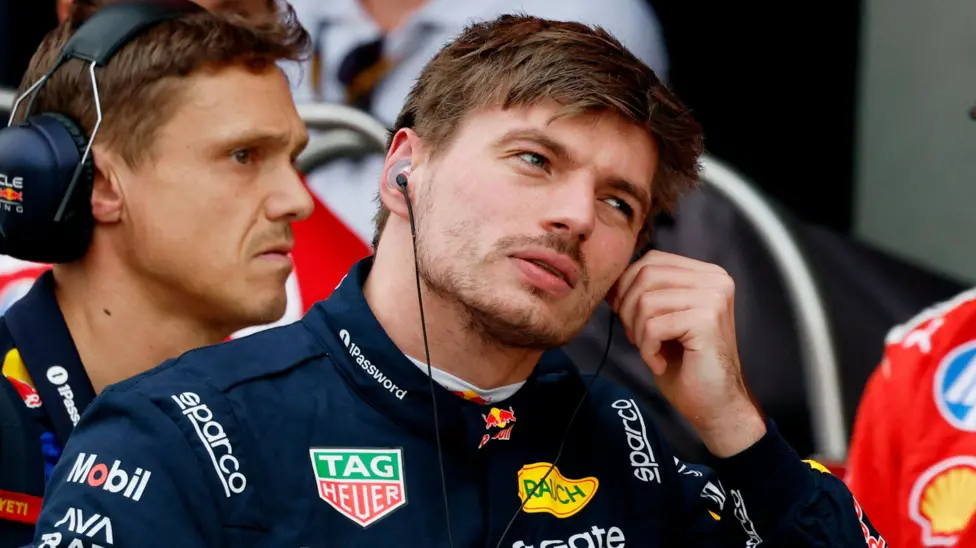
Max Verstappen admitted he has “a lot of stuff to personally figure out” after qualifying 11th for the Japanese Grand Prix—a shocking result for a driver who has dominated at Suzuka in recent years.
The Red Bull Racing star’s comments reflect deeper concerns—not just about performance, but about the direction of Formula 1 itself.
From dominance to doubt
Verstappen’s struggles highlight a dramatic shift:
- Won the last five Japanese Grands Prix
- Now starts outside the top 10
- Beaten by team-mate Isack Hadjar
Meanwhile, pole position went to rising star Kimi Antonelli of Mercedes-AMG Petronas.
The core issue: new engine rules
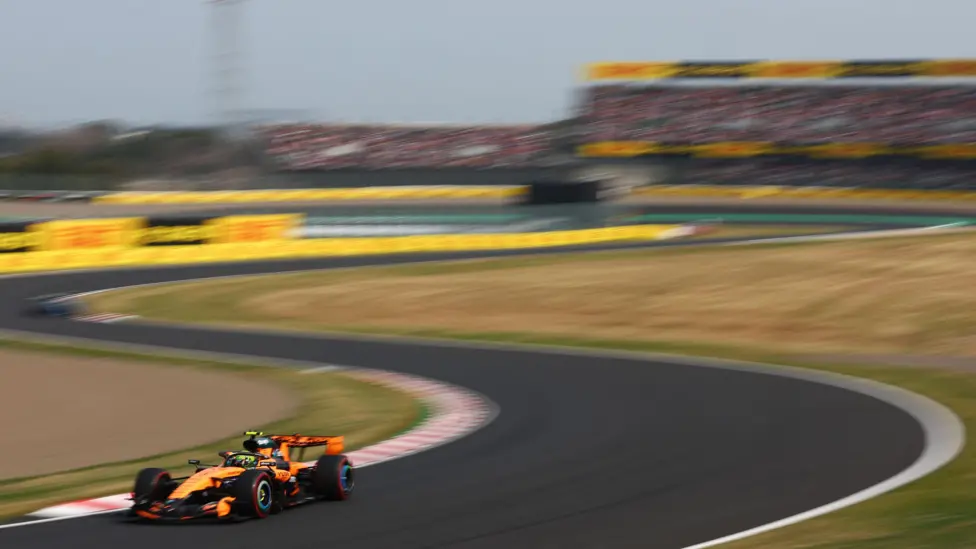
The 2026 regulations introduced:
- 50% electric / 50% combustion power split
- Heavy reliance on energy management
Drivers say this has changed the nature of driving:
Cars lose power mid-straight
Drivers must lift earlier into corners
Risk-taking is penalised instead of rewarded
Verstappen has previously compared the experience to:
“Mario Kart” and “Formula E on steroids”
Drivers vs the rules
Several top drivers voiced concerns:
Lando Norris
- “It hurts your soul” losing speed on straights
Lewis Hamilton
- Energy deployment issues costing lap time
- “Not ideal… rules aren’t so great”
Charles Leclerc
- Pushing the limit now punished heavily
Carlos Sainz
- “Not good enough for F1”
Why Suzuka exposed the problem
The iconic Japanese Grand Prix at Suzuka is known for:
- High-speed corners
- Technical precision
- Rewarding bravery
But now:
- Drivers manage battery, not speed
- Corners like Degner and Spoon lose their challenge
- Qualifying becomes less about pure skill
Rule changes coming?
F1’s governing body (FIA) has acknowledged the issue.
Planned actions:
- Post-race meeting to review rules
- Focus on fixing qualifying dynamics
- Maintain positives like better racing & overtaking
The challenge:
Fix qualifying without harming race action
A balancing act for F1
The current regulations have brought:
Positives
- Closer racing
- More overtaking
Negatives
- Reduced driver freedom
- Less rewarding risk-taking
- Artificial energy constraints
Final thoughts
For Max Verstappen, this is more than a bad qualifying—it’s a philosophical conflict with modern F1.
The sport now faces a key question:
Should Formula 1 prioritise efficiency and strategy… or raw driving skill?
The answer could shape the future of the sport—and determine whether drivers like Verstappen still feel at home in it.


There are no comments yet. Be the first to comment!