


Gordon Strachan Questions Modern Football Culture as Celtic Managerial Chaos Sparks Debate
Football has always thrived on passion, noise, and opinion. But according to Celtic legend Gordon Strachan, the modern game may have crossed a line — one where emotional reactions and online outrage are beginning to dictate decisions traditionally made with patience and long-term planning.
Following chaotic scenes surrounding the latest Old Firm derby and a season marked by astonishingly short managerial reigns, Strachan has openly questioned why coaches are increasingly judged — and often dismissed — under pressure from supporters whose behaviour sometimes undermines the very values clubs claim to represent.
His comments arrive at a moment when instability has defined not only Celtic but clubs across Britain, raising uncomfortable questions about power, accountability, and who truly shapes the future of football institutions.
Celtic Managerial Turmoil Raises Questions About Fan Influence
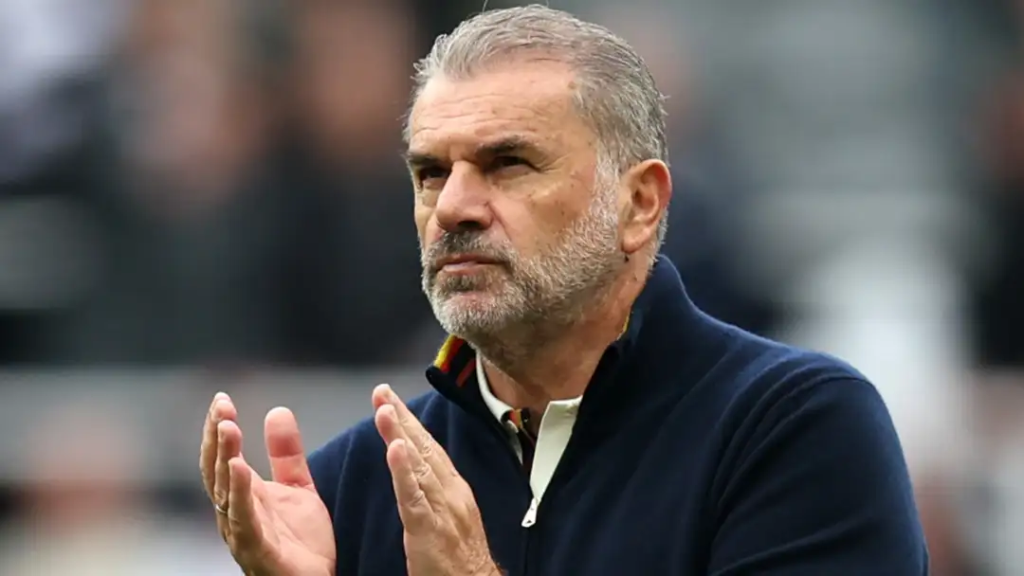
The 2025–26 season has delivered remarkable instability at Celtic Park.
Wilfried Nancy’s tenure lasted just 33 days — barely enough time for tactical ideas to take root — before the club opted for another reset. Across the city, Rangers experienced similar turbulence earlier in the campaign, dismissing Russell Martin after only 17 matches.
For Strachan, who managed Celtic between 2005 and 2009 and understands the unique pressure cooker of Glasgow football, the pattern reflects a wider cultural shift rather than isolated decisions.
In today’s environment, dissatisfaction spreads instantly. Social media reactions, viral clips, and online debates often create the perception of crisis long before results justify drastic action. Owners and executives, conscious of supporter unrest, appear increasingly willing to act quickly rather than risk prolonged backlash.
But Strachan believes the situation has become deeply contradictory.
Managers are expected to deliver stability while working in an environment that rarely allows it.
Gordon Strachan Criticises Behaviour After Old Firm Chaos
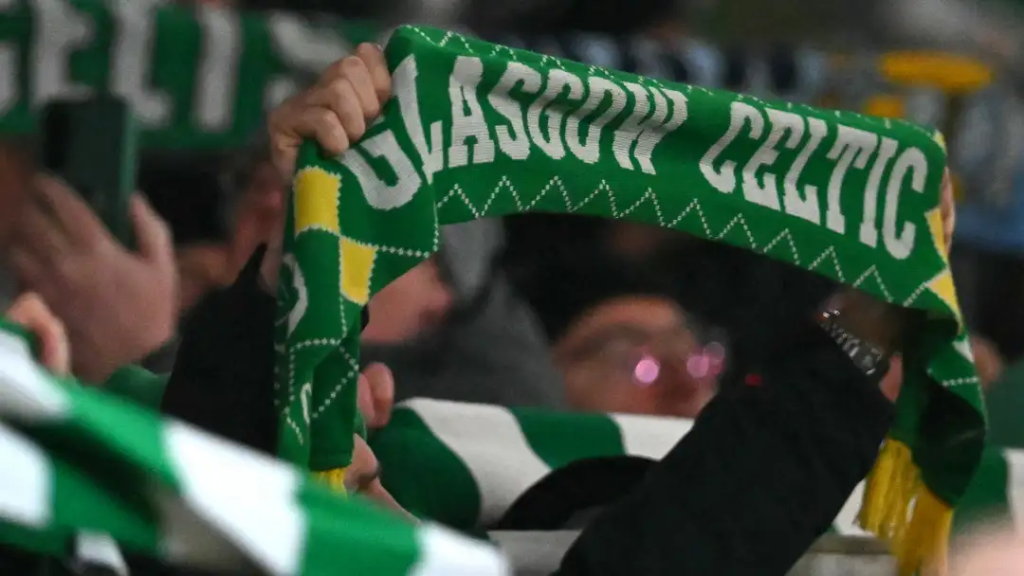
The former Celtic boss’ strongest comments came after violent scenes surrounding the latest Rangers vs Celtic encounter at Ibrox, where pitch invasions and clashes involving supporters overshadowed the football itself.
Strachan did not hide his frustration.
He questioned why individuals involved in disorder — described by him as people “wearing masks and punching police” — can simultaneously influence public narratives about managerial competence.
His argument was not aimed at supporters as a whole but at a specific reality of modern football discourse: the loudest voices often shape perception, regardless of credibility.
For managers, that creates a strange dynamic.
Decisions about careers, reputations, and long-term club strategy can appear tied to reactions driven by moments of anger rather than informed analysis. When commentators or media reports claim “the fans are unhappy,” Strachan asks a simple but uncomfortable question: which fans?
The thousands who support responsibly each week, or the minority whose actions dominate headlines?
It is, in his words, “a mad world” where coaches must answer to narratives shaped by chaos rather than context.
Short Reigns Across Celtic and Beyond Reflect Wider Trend
Celtic’s instability is far from unique.
Across British football this season, managerial turnover has reached striking levels. Ange Postecoglou — once celebrated at Parkhead — endured a brief and unsuccessful spell at Nottingham Forest, failing to win any of his eight matches before departure.
Elsewhere, Premier League clubs have moved through managers at alarming speed. West Ham parted ways with Graham Potter, Tottenham moved on from Thomas Frank, and several teams have cycled through multiple head coaches within a single campaign.
The trend reflects a game increasingly driven by immediacy.
Financial stakes are enormous, qualification for European competitions is critical, and relegation fears carry massive consequences. In such an environment, patience becomes a luxury few clubs believe they can afford.
Yet Strachan argues that constant change rarely produces stability — and often prevents managers from implementing meaningful football identities.
Are Club Owners Bowing to Pressure?
One of the central questions raised by Strachan’s comments concerns ownership decision-making.
Are clubs reacting to supporter pressure out of genuine concern for results, or are they attempting to shield themselves from becoming targets of frustration?
Strachan suggests the answer varies depending on ownership personalities. Some owners are naturally impatient; others respond to the fear of escalating fan anger.
Modern communication channels amplify that fear.
A poor result no longer fades after a weekend discussion. Instead, criticism circulates endlessly online, creating the impression of widespread revolt even when opinions remain divided.
Boards, aware of reputational risks, may feel compelled to act quickly — even when internal analysis suggests patience might be wiser.
The result is a cycle: instability fuels poor performances, poor performances fuel criticism, and criticism accelerates further instability.
Celtic Search for Stability Under Interim Leadership
Amid the turbulence, Celtic have turned once again to a familiar figure.
Martin O’Neill has stepped in on an interim basis for the second time this season, tasked with steadying a club searching for direction ahead of the summer. His presence provides experience and authority, but also highlights the uncertainty surrounding the long-term project at Parkhead.
A permanent managerial appointment looms, and whoever takes the role will inherit immense expectations alongside limited tolerance for early setbacks.
The challenge is not purely tactical.
Success at Celtic demands navigating emotional intensity, historical rivalry, and relentless scrutiny — pressures amplified in the modern era by digital platforms and constant analysis.
The Changing Relationship Between Managers and Supporters
Strachan’s reflections ultimately point toward a broader philosophical issue within football.
Supporters remain the lifeblood of clubs; their passion creates atmosphere, identity, and meaning. Yet the relationship between fans and decision-makers has evolved dramatically.
Where once criticism travelled slowly through newspapers or stadium conversations, it now spreads instantly worldwide. Managers operate under permanent evaluation, with every tactical decision dissected in real time.
For experienced figures like Strachan, the concern is not criticism itself — football has always involved debate — but the erosion of nuance.
Complex rebuilding processes are reduced to simple verdicts. Long-term planning competes with short-term emotional reaction. And managers, increasingly, are judged before their work truly begins.
A Game Searching for Balance
As major clubs across Europe prepare for managerial changes this summer — including positions potentially opening at Tottenham and Manchester United — Strachan’s words resonate beyond Glasgow.
Football faces a balancing act between passion and patience.
Clubs must listen to supporters without allowing disorder or online outrage to dictate strategy. Owners must protect long-term vision while acknowledging emotional investment. Managers must deliver results while working in environments where time is scarce.
Whether the sport can restore that balance remains uncertain.
But one thing is clear: Gordon Strachan’s comments have reignited a debate many within football quietly share — about who holds power in the modern game, and whether the voices shaping its future always represent its best values.


There are no comments yet. Be the first to comment!