






















































Crisis Point at Tottenham: Igor Tudor Facing Sack After Nottingham Forest Humiliation Rocks Spurs
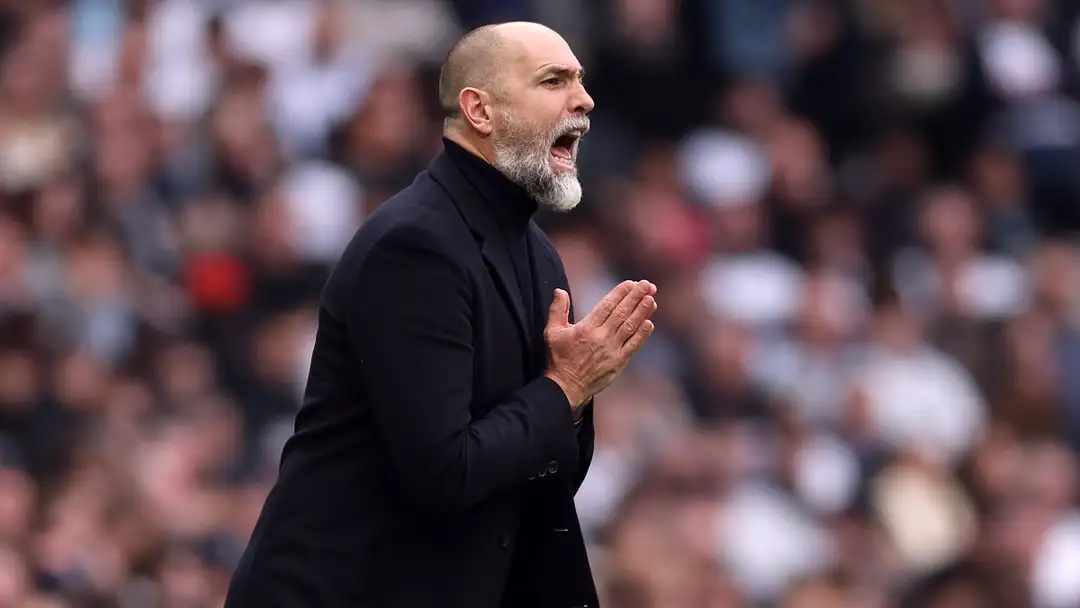
The atmosphere around Tottenham Hotspur F.C. has shifted dramatically in the space of just a few days. What once felt like a temporary rough patch now resembles a full-scale crisis, and interim manager Igor Tudor appears to be standing on increasingly fragile ground following a damaging defeat that may define Tottenham’s season.
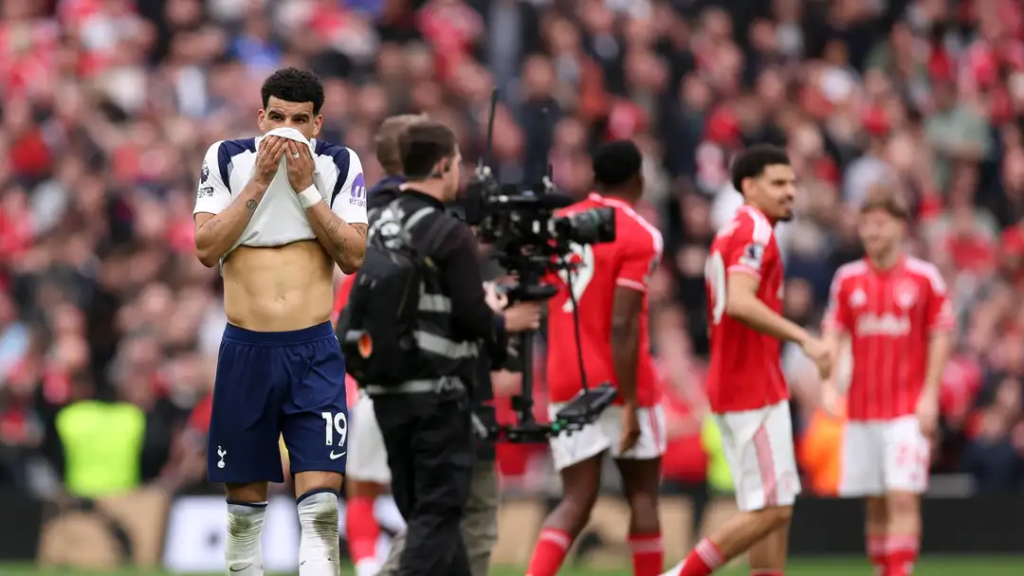
A shocking 3–0 home loss to Nottingham Forest F.C. has not only intensified fears of relegation but reportedly convinced club executives that the upcoming international break offers the “perfect opportunity” to make another managerial change. With Spurs hovering just above the drop zone, urgency has replaced patience in north London.
The question now is no longer whether Tottenham must act — but how quickly.
Tottenham vs Nottingham Forest Fallout: Why Igor Tudor’s Position Suddenly Looks Untenable
Football can be brutally unforgiving, especially at a club where expectations rarely align with reality. When Tudor arrived as interim boss, the brief was simple: steady the ship, restore confidence, and guide Tottenham safely to the end of the campaign.
Instead, results have drifted in the opposite direction.
The defeat against Nottingham Forest felt particularly alarming because it exposed recurring weaknesses rather than a one-off collapse. Spurs looked fragile defensively, hesitant in midfield, and devoid of leadership when momentum turned against them. By halftime, anxiety had already spread through the stands at Tottenham Hotspur Stadium — and by full time, frustration had hardened into resignation.
Statistically, the numbers paint a bleak picture. Since taking charge, Tudor has overseen just one victory and one draw in seven matches, alongside five defeats. Even more concerning is the defensive record: 20 goals conceded during that stretch, a figure that reflects systemic problems rather than isolated errors.
For a club already battling inconsistency, such defensive vulnerability has proven catastrophic.
The Forest defeat also marked a troubling historical milestone — only the third time in Premier League history Tottenham have lost at home by three or more goals to a side that began the day inside the bottom four. For supporters already uneasy about the direction of the season, that statistic landed heavily.
Historic Lows Trigger Boardroom Alarm at Tottenham
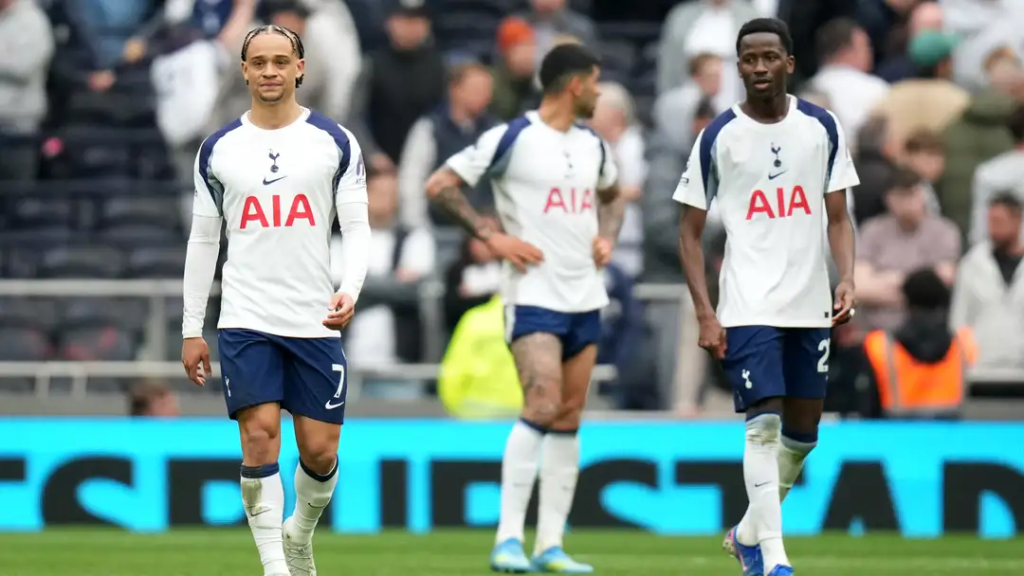
Inside the club hierarchy, concern has reportedly turned into alarm.
Tottenham’s current tally — 30 points from 31 league matches — equals their lowest return at this stage of a top-flight campaign since the 1914-15 season. That comparison alone underlines how serious the situation has become.
Initially, the board had hoped Tudor could simply guide the squad through a turbulent period before a permanent appointment in the summer. Stability, even temporary stability, was the goal.
But relegation risk changes everything.
Sources close to the club suggest internal discussions have accelerated rapidly since the weekend defeat. Executives now view the international break as a rare window to reset without the pressure of immediate fixtures. Installing a new voice during this pause could offer players a psychological reset before the final run-in.
In modern football, timing often determines success as much as the appointment itself.
The Search for Stability: Tottenham Eye a Permanent Successor
One of the central dilemmas facing Tottenham is whether to pursue a long-term solution immediately or appoint another short-term firefighter.
Among the names reportedly discussed is Roberto De Zerbi, admired for his tactical identity and Premier League experience. His progressive style and reputation for improving players make him an attractive candidate — but convincing a high-profile coach to enter a relegation battle midway through the season presents obvious risks.
There is also nostalgia influencing conversations. Former Spurs managers such as Harry Redknapp and Glenn Hoddle have reportedly been mentioned as potential short-term stabilisers, figures familiar with the club’s culture who could calm a tense environment quickly.
The challenge, however, lies in balancing immediate survival with long-term planning. Appointing the wrong manager now could complicate rebuilding efforts later.
Tottenham’s leadership must decide whether survival alone justifies abandoning their original summer strategy.
A Season Sliding Toward Danger
Perhaps the most alarming aspect of Tottenham’s situation is how quickly circumstances have deteriorated.
Just weeks ago, optimism briefly resurfaced after a resilient draw against Liverpool and an impressive victory over Atletico Madrid in European competition. Those performances hinted that Tudor might yet inspire a late revival.
But consistency — the foundation of any successful campaign — never followed.
The loss to Nottingham Forest exposed familiar patterns: defensive disorganisation, lapses in concentration, and a lack of composure under pressure. Opponents have increasingly targeted Spurs’ back line, aware that sustained pressure often leads to mistakes.
Now, Tottenham sit only one point above the relegation zone, looking nervously over their shoulder at rivals gaining momentum.
Relegation once felt unthinkable for a club of Tottenham’s stature. Today, it feels dangerously plausible.
International Break: The ‘Perfect Opportunity’ for Change
Timing may ultimately seal Tudor’s fate.
The international break provides something managers rarely receive during crises — time. Time to train, reset tactics, rebuild confidence, and introduce new ideas without the distraction of immediate fixtures.
For Tottenham’s board, it represents a strategic pause to implement change with minimal disruption.
Upcoming matches only increase the urgency. Difficult away trips loom against Sunderland and Wolves, alongside a pivotal home clash with Brighton that could define survival hopes. Whoever occupies the dugout must deliver results immediately; there will be little margin for adaptation.
In relegation battles, momentum often matters more than reputation.
Can Tottenham Still Avoid Disaster?
Despite the gloom, survival remains entirely within Tottenham’s control. The gap to safety is narrow, and a short positive run could transform the narrative quickly.
But confidence appears fragile — both inside the squad and among supporters.
Players now face not only tactical adjustments but psychological pressure. Every mistake carries heavier consequences, every match feels decisive, and uncertainty surrounding the manager adds another layer of instability.
Whether Tudor remains or departs, Tottenham’s immediate challenge is restoring defensive discipline and emotional resilience.
Without those foundations, even managerial change may prove insufficient.
A Defining Decision for Spurs’ Future
Tottenham’s leadership now confronts one of the most important decisions in recent club history.
Sacking Igor Tudor could provide the shock needed to spark survival. It could also deepen instability if the replacement fails to deliver instant improvement. Standing by him, meanwhile, risks allowing poor form to continue unchecked.
There are no safe options — only calculated risks.
What is certain is that the humiliation against Nottingham Forest has changed the conversation entirely. The season is no longer about underachievement or transition; it is about survival.
And as the international break approaches, Tottenham appear ready to decide whether Igor Tudor remains part of that fight — or becomes another casualty of a campaign spiralling toward crisis.


There are no comments yet. Be the first to comment!