






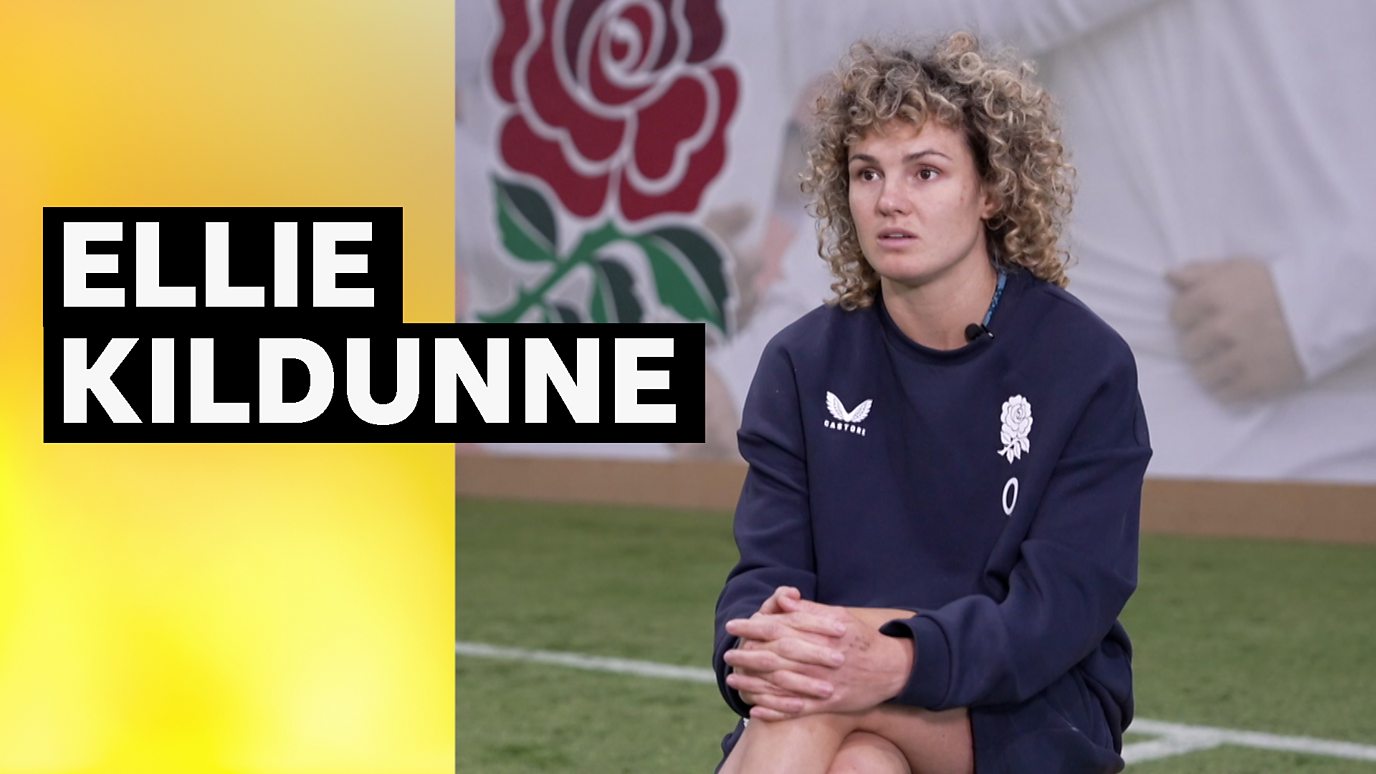
Ellie Kildunne Opens Up on Body Dysmorphia Struggle After World Cup Glory
World Cup winner Ellie Kildunne reveals body dysmorphia struggle behind the scenes
From the outside, it looked like everything had fallen perfectly into place for Ellie Kildunne.
A World Cup winner. A standout performer. A player capable of lighting up the biggest stage with a moment of brilliance. Her solo try in front of a packed stadium—more than 80,000 fans watching—felt like the kind of highlight that defines a career.
But behind that moment, behind the medals and the noise, there was another story quietly unfolding.
One that had nothing to do with tries or trophies.
Instead, it was about control. About identity. And about a struggle that many athletes—and many people beyond sport—rarely talk about openly.
Kildunne has now chosen to share that side of her journey. Not for sympathy, but because she knows how much it matters.
When the structure of sport disappears
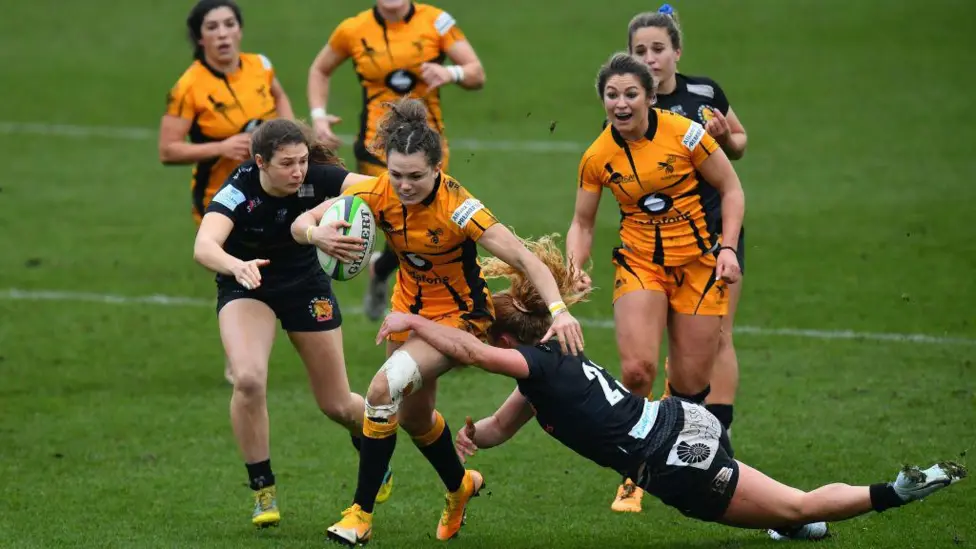
For elite athletes, life is built around structure.
Training schedules. Performance targets. Recovery routines. Nutrition plans. Every detail is measured, tracked, and refined. It’s a world where control isn’t just helpful—it’s essential.
Then came the pandemic.
Like so many others, Kildunne suddenly found herself removed from that environment. No team sessions. No shared routines. No immediate goals on the horizon.
For someone wired to compete, that absence can be unsettling.
Athletes don’t just lose games during times like that—they lose the framework that gives their day meaning.
And for Kildunne, that void slowly became something else.
Body dysmorphia and the search for control
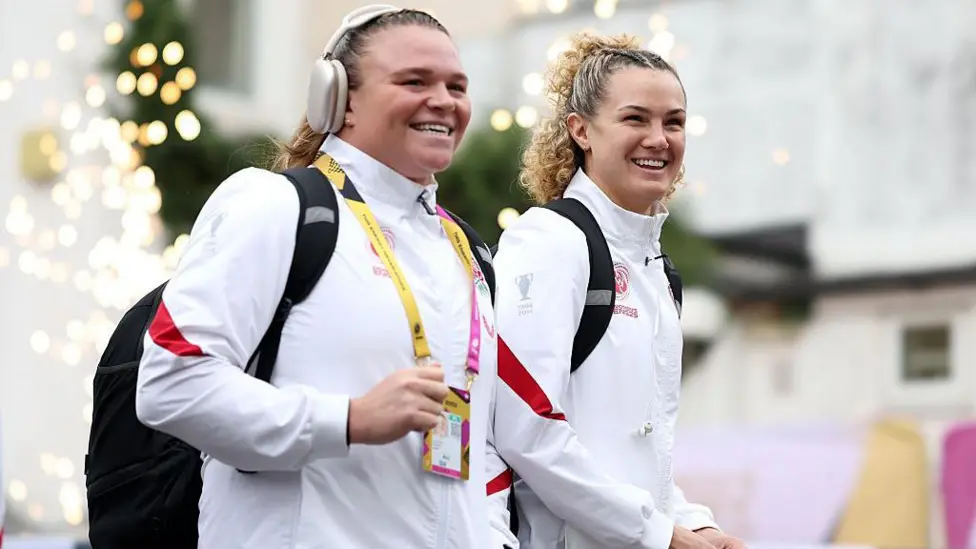
Without the usual structure of elite rugby, Kildunne began to search for control elsewhere.
Running became a focus. Faster times. Longer distances. Small gains that offered a sense of progress.
But alongside that came a shift in her relationship with food.
Less eating. More running. A cycle that, at first, might have seemed manageable—but gradually became something far more concerning.
That’s the nature of body dysmorphia.
It doesn’t announce itself loudly. It creeps in quietly, altering perception, distorting reality.
Kildunne has spoken candidly about how she could see herself getting smaller, yet still felt the need to be smaller still. A contradiction that, to outsiders, might not make sense—but to those experiencing it, feels entirely real.
It wasn’t about aesthetics alone. It was about control in a moment when everything else felt uncertain.
Isolation made it harder to see
One of the most difficult aspects of that period was the isolation.
In a team environment, there are checks and balances. Coaches, physios, teammates—they notice changes. They ask questions.
Alone, those safety nets disappear.
Kildunne has reflected on how being away from that environment allowed unhealthy habits to develop without immediate intervention.
There’s also the broader challenge many athletes face: perception.
In rugby, she was considered small. Outside of it, she sometimes felt the opposite.
Caught between two worlds, she struggled to find a sense of belonging in either.
It’s a reminder that body image isn’t just about size—it’s about identity, context, and how we see ourselves relative to the world around us.
The physical toll becomes impossible to ignore
Eventually, the impact showed physically.
When Kildunne returned to structured rugby, the signs were there.
A stress fracture in her knee. A lack of power. A body that simply didn’t have the energy to cope with the demands being placed on it.
Even basic strength work became difficult. Her body would shake under loads that, previously, would have been manageable.
On the pitch, confidence dropped. Contact situations—so central to rugby—became a challenge.
She has spoken about wearing extra padding just to feel stronger, to compensate for what she felt she had lost.
But equipment can’t fix what’s happening internally.
And deep down, she knew something wasn’t right.
The moment someone finally asked
Sometimes, change starts with a simple question.
During a session at her club at the time, a physiotherapist didn’t just assess Kildunne physically. She asked how she was—really.
It was a small moment, but a crucial one.
Because it gave Kildunne the space to speak.
She broke down. Not because the problem had suddenly appeared, but because it had been there all along, waiting to be acknowledged.
That conversation became a turning point.
It’s often said that saying something out loud creates accountability. It turns a private struggle into something shared—and therefore something that can be supported.
For Kildunne, that support made all the difference.
Understanding the bigger picture
Since then, Kildunne has taken steps to better understand herself and her relationship with food and performance.
A diagnosis of ADHD has added another layer of insight—helping explain patterns of focus, distraction, and behaviour that may have contributed to her struggles.
It’s not about finding excuses. It’s about understanding the full picture.
And with that understanding has come practical change.
Simple adjustments—like focusing on eating without distractions, working closely with nutritionists, and recognising food as fuel rather than something to control—have helped her rebuild a healthier balance.
She’s clear that it’s an ongoing process.
Not something that gets “fixed” overnight.
But something that can be managed with awareness and support.
Speaking out to help others
Kildunne isn’t alone in this.
Across women’s rugby—and sport more broadly—players have increasingly opened up about body image and their relationship with food.
Ilona Maher has spoken about the constant balancing act between societal expectations and the realities of being an elite athlete.
Sarah Bern has shared her own experiences, particularly from her teenage years, highlighting how powerful representation and honesty can be.
What ties these stories together is their impact.
When athletes speak openly, people listen. Not just fans, but young players, individuals facing similar struggles, people who might otherwise feel alone.
Kildunne understands that now.
She recognises the platform she has—and the responsibility that comes with it.
More than just a rugby story
It would be easy to frame this as a rugby story.
A player who struggled, found support, and returned stronger.
But it’s more than that.
It’s about the pressures that come with high performance. The fine line between discipline and obsession. The way identity can become tangled up with achievement.
And it’s about the importance of conversation.
Because from the outside, everything can look perfect.
That’s often the illusion of sport—and of life more generally.
Kildunne wants to challenge that.
Ellie Kildunne, body dysmorphia, and the courage to be honest
Today, Kildunne speaks with a sense of perspective.
She doesn’t claim to have all the answers. She doesn’t present herself as someone who has completely moved on.
Instead, she talks about awareness. About being conscious of habits. About staying connected to support systems.
Most importantly, she talks about honesty.
Because sometimes, the most powerful thing an athlete can do isn’t scoring a try in front of thousands.
It’s admitting they struggled.
And in doing so, helping someone else feel a little less alone.


There are no comments yet. Be the first to comment!