






































































Gianni Infantino hits back at critics over ‘shameful’ 2026 World Cup ticket prices
Gianni Infantino hits back at critics over ‘shameful’ 2026 World Cup ticket prices
There are few things in football that can unite supporters across continents quite like frustration over ticket prices. And as the countdown to the 2026 World Cup gathers pace, that frustration has turned into something louder — a proper backlash.
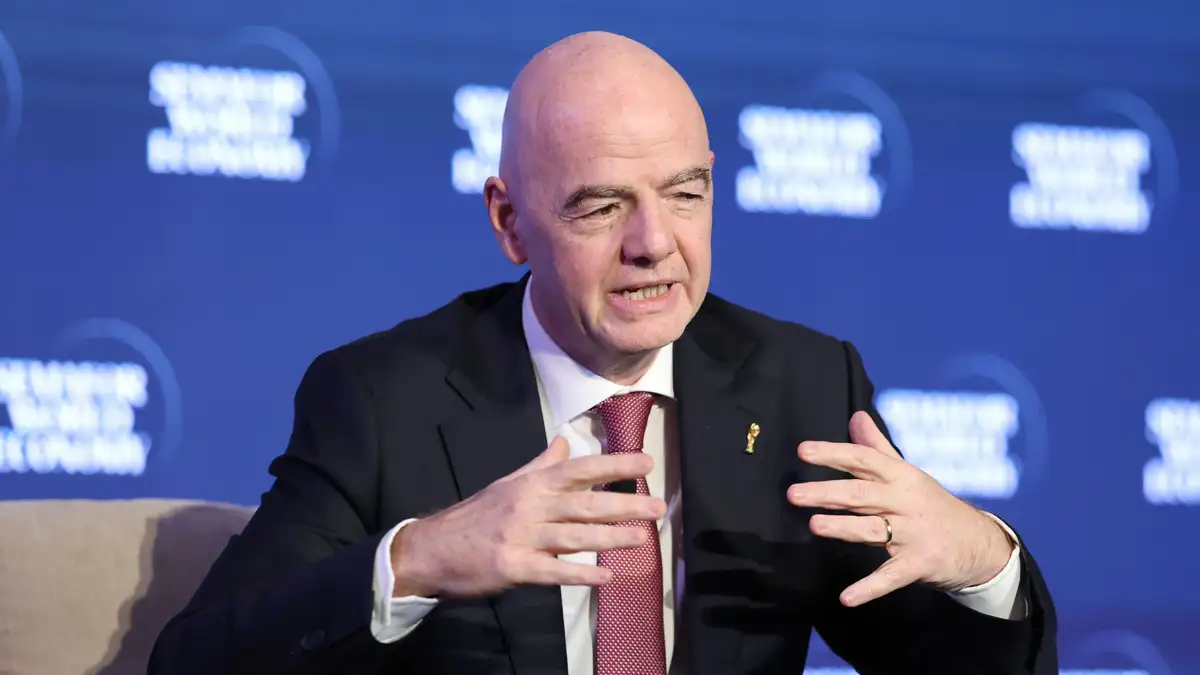
At the centre of it all is FIFA president Gianni Infantino, who has found himself once again defending a pricing model many fans have labelled “shameful.” The numbers being discussed are not small, either. For some of the tournament’s biggest fixtures, particularly the final, prices have climbed into territory that feels completely out of reach for the average supporter.
Infantino, though, isn’t backing down. If anything, he’s doubling down — arguing that the financial reality of running global football leaves FIFA with little choice.
Whether fans accept that explanation is another matter entirely.
A growing storm around 2026 World Cup ticket prices
The 2026 tournament, hosted across United States, Canada, and Mexico, is already being billed as the biggest World Cup in history. Expanded to 48 teams and spread across multiple cities, it promises scale, spectacle, and a level of global attention unlike anything the sport has seen before.
But with that scale has come a surge in pricing.
Reports suggest that premium seats — especially for marquee matches — have seen dramatic increases compared to previous tournaments. Category 1 tickets, traditionally the most expensive but still within reach for many travelling fans, have risen sharply. In some cases, the increase is said to be over 80 percent.
And then there’s the final.
Set to be played at MetLife Stadium, the showpiece event is expected to attract global demand on an unprecedented level. Unsurprisingly, that demand has pushed prices into the thousands — a figure that has sparked widespread criticism.
For many supporters, it feels like the game is drifting further away from the people who built its culture in the first place.
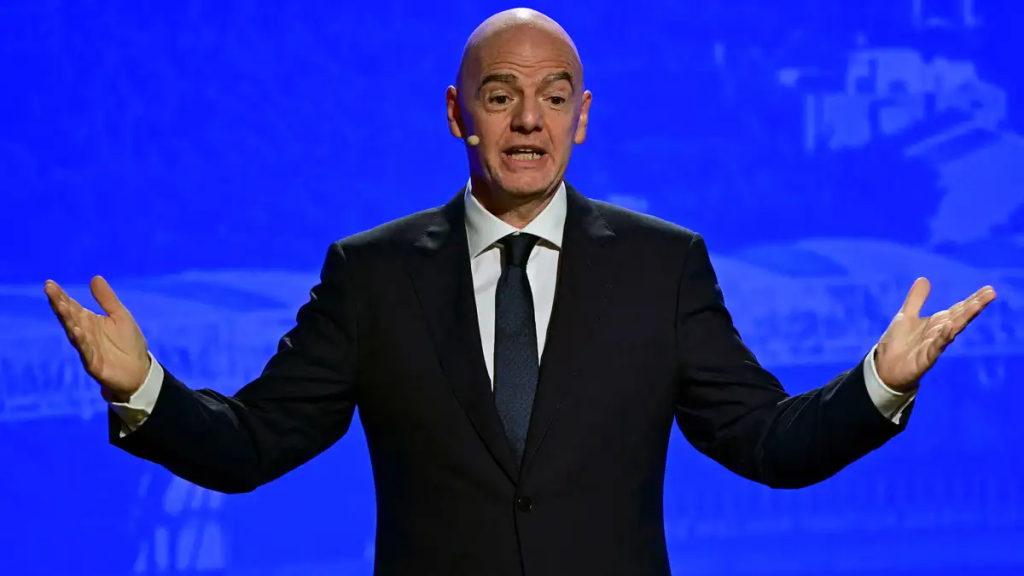
Gianni Infantino hits back at critics over ‘shameful’ 2026 World Cup ticket prices
Faced with mounting backlash, Infantino has stepped forward to explain — or perhaps justify — FIFA’s position.
Speaking in recent interviews, he made it clear that the organisation’s financial structure is fundamentally different from that of clubs or domestic leagues. Unlike leagues that generate steady income throughout the year, FIFA operates on a cycle heavily dependent on one event.
“The main, and so far the only, source of revenue for FIFA is the World Cup,” he explained.
It’s a simple point, but an important one.
FIFA earns the bulk of its income during a relatively short window — roughly a month of competition. That revenue, according to Infantino, must then sustain the organisation’s global activities for the next four years.
“For the remaining 47 months, until the next World Cup, we spend that money,” he added.
From his perspective, the pricing strategy is not about maximising profit in the short term, but about ensuring long-term financial stability.
The economics behind the controversy
There is some logic to Infantino’s argument.
FIFA funds a wide range of initiatives — development programs, grassroots investment, infrastructure projects, and support for smaller football associations around the world. These efforts require consistent funding, even in years when there is no World Cup.
Without a continuous revenue stream like television rights from weekly competitions, FIFA relies heavily on the tournament to generate income.
That reality creates pressure.
The World Cup becomes not just a sporting event, but a financial engine — one that must operate at maximum capacity to support everything else. Ticket sales, therefore, are not just about covering costs; they are about sustaining a global ecosystem.
Still, understanding the logic does not necessarily make it easier to accept.
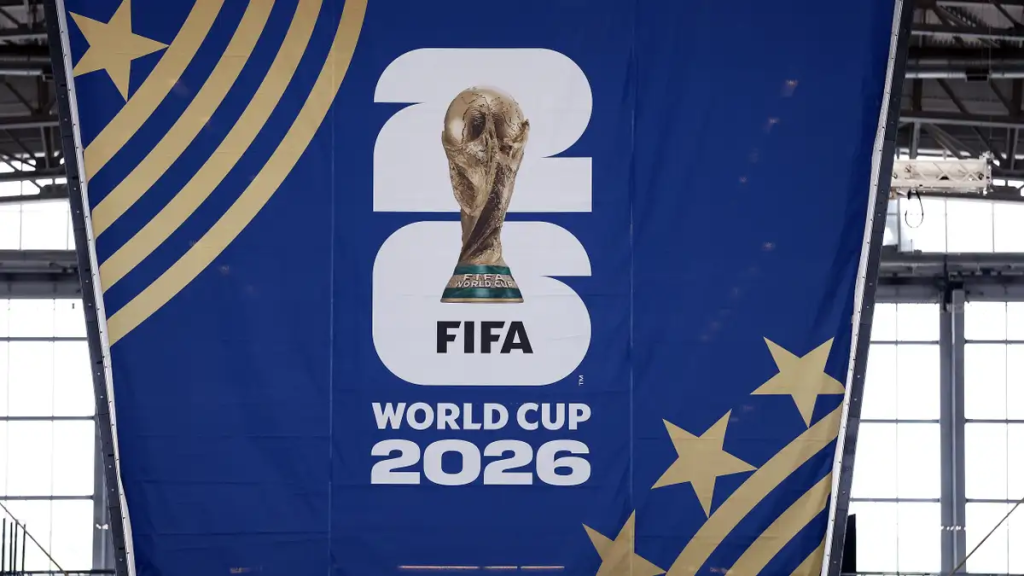
Fans feel priced out of the ‘people’s game’
For many supporters, the issue goes beyond economics.
Football has always carried a strong cultural identity — one rooted in accessibility, community, and shared experience. The World Cup, in particular, has long been seen as a tournament for everyone, not just those who can afford premium prices.
That’s why the current situation feels different.
The combination of expensive tickets, rising travel costs, and increased accommodation prices has created a barrier that many fans simply cannot overcome. Attending a World Cup match — once a dream that felt achievable with enough planning — is starting to look like a luxury experience.
And it’s not just the tickets.
Reports of inflated transport costs in host cities have added to the frustration. In some cases, matchday travel prices have surged dramatically, making the overall expense even harder to justify.
For supporters, it all adds up.
Demand versus accessibility
One of the key arguments in FIFA’s defence is demand.
The 2026 World Cup is expected to attract record-breaking interest. With more teams, more matches, and a broader geographic spread, the tournament will draw fans from every corner of the globe.
High demand naturally drives prices up — that is a basic principle of any market.
But football is not just any market.
That’s where the tension lies. While FIFA sees an opportunity to maximise revenue during a peak demand period, fans see a sport that risks losing its connection to ordinary supporters.
It becomes a question of balance.
How do you meet financial needs without alienating the very people who give the game its identity?
Gianni Infantino hits back at critics over ‘shameful’ 2026 World Cup ticket prices
Infantino’s comments suggest FIFA believes it has found that balance — or at least that it has made the best possible compromise.
By framing the World Cup as a short-term revenue window that funds long-term development, he is trying to shift the narrative away from accusations of greed. The message is clear: this is not about excess, but about necessity.
Yet the reaction from fans indicates that message is not fully landing.
Supporters are not just looking at the broader financial picture. They are looking at their own reality — what it costs to attend, what it means for their ability to be part of the tournament, and whether the experience still feels inclusive.
And for many, the answer is becoming increasingly uncomfortable.
A challenge FIFA cannot ignore
With the tournament approaching — scheduled from June 11 to July 19 — the pressure on FIFA is unlikely to fade.
If anything, it will intensify.
As more ticket phases are released and more details emerge about pricing across different categories, the conversation will continue. Media scrutiny will grow, fan groups will remain vocal, and comparisons to previous tournaments will keep resurfacing.
FIFA, in turn, faces a difficult balancing act.
It must protect its financial model while also maintaining the image of football as a global, inclusive sport. That is not an easy task, especially in an era where every decision is analysed in real time.
Final thoughts: a defining moment for football’s global identity
The debate over ticket prices is about more than numbers.
It is about what the World Cup represents.
For FIFA, it is a critical source of revenue — a financial foundation that supports the game worldwide. For fans, it is something more emotional — a chance to be part of football’s biggest celebration.
When those two perspectives clash, the conversation becomes complicated.
Gianni Infantino has made his position clear. The pricing structure, in his view, reflects necessity rather than excess.
But whether that explanation resonates will ultimately depend on one thing: whether fans still feel like the World Cup belongs to them.
Right now, that question is very much up in the air.


There are no comments yet. Be the first to comment!