











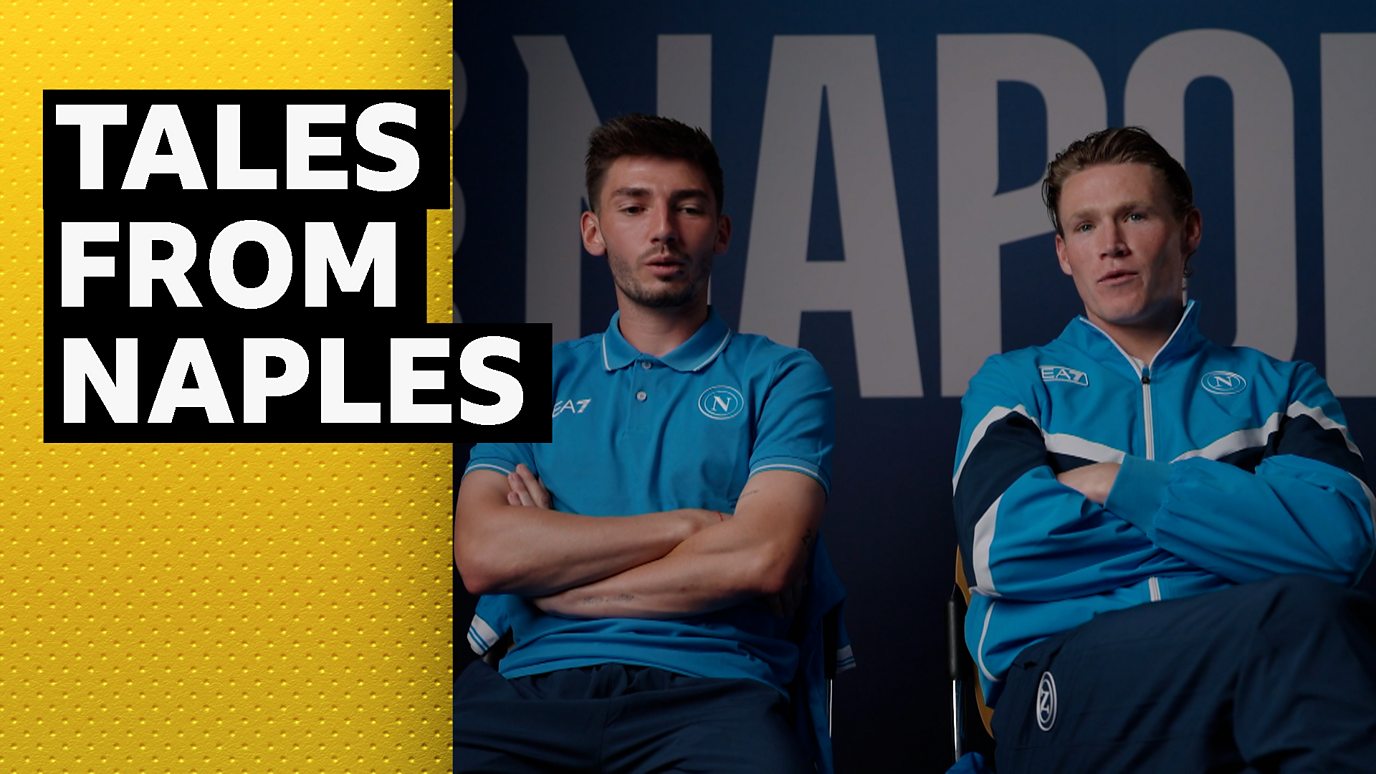
Get Out the Group: Scott McTominay and Billy Gilmour Fuel Scots’ World Cup Hopes
For Scotland, simply reaching the World Cup used to feel like the dream. Now the conversation has changed.
With the tournament just around the corner, Scott Get Out the Group: Scott McTominay and Billy Gilmour Fuel Scots’ World Cup Hopes
For Scotland, simply reaching the World Cup used to feel like the dream. Now the conversation has changed.
With the tournament just around the corner, Scott McTominay and Billy Gilmour have made one thing clear: this squad is not travelling to make up the numbers. They want to get out the group, challenge expectations and write a new chapter in Scottish football history.
After a 28-year wait to return to the global stage, Scotland head into the competition with belief, experience and a generation of players who no longer seem overawed by reputations. That mindset shift may be their biggest strength.
McTominay, speaking with the calm authority that now defines his role in the squad, described progress beyond the group stage as something that would rank as the highlight of his career. It is a bold statement, but it reflects the mood around this team.
Qualification was the first step. Now they want more.
Get Out the Group: Why This Scotland Team Believes
Scotland open their campaign in Boston against Haiti before facing Morocco and Brazil in Group C. It is a demanding section, but not one without opportunity.
Under the expanded World Cup format, the top two teams progress automatically, while several third-placed sides will also advance. That creates realistic pathways for nations willing to compete rather than simply survive.
For years, Scotland often approached major tournaments through the lens of caution. There was pride in participation, but also a lingering sense of inferiority when facing traditional powers.
McTominay wants that mentality gone.
He has spoken openly about changing the mindset around what Scotland can achieve, arguing that rankings and reputation should not define performances. It is a refreshing message, and one that mirrors the confidence visible in recent qualifying campaigns.
This squad does not believe it should fear anyone.
Scott McTominay’s Leadership Has Changed the Tone
McTominay has grown into one of Scotland’s central figures.
There was a time when he was viewed mainly through the lens of club football, but internationally he has become something more influential: a leader, a match-winner and a symbol of the team’s new edge.
Whether playing as a deep midfielder, advanced runner or box threat, he brings intensity and purpose. Just as important, he speaks like someone who expects standards to rise.
That matters in tournament football.
Scotland’s best modern teams have often had talent but lacked authority. This group now includes players comfortable at elite clubs, competing weekly under pressure, and carrying that confidence into international duty.
McTominay represents that evolution perfectly.
Billy Gilmour Brings Calm and Craft
If McTominay supplies power, Billy Gilmour offers control.
The midfielder’s development in Italy has added layers to his game. Already admired for composure and passing range, he now looks sharper tactically and more mature physically.
Gilmour spoke of the excitement surrounding Scotland’s return to the World Cup, calling it a special moment for a squad experiencing the tournament stage for the first time. There was enthusiasm in his words, but also focus.
Win the first game. Build momentum. Take it step by step.
That is exactly how mid-level nations succeed at major tournaments. They avoid getting overwhelmed by the whole picture and concentrate on the next task.
Gilmour’s style suits that approach. He settles games, keeps shape and allows others to play.
Steve Clarke’s Quiet Legacy
The public image of Steve Clarke has often been understated. He is not a showman, nor does he chase headlines. But results matter more than volume, and his record deserves serious respect.
Three qualifications for major tournaments in four cycles would once have sounded unrealistic for Scotland. Clarke has made it real.
Gilmour went further, suggesting the manager will go down as the greatest Scottish manager ever. That may spark debate, but it reflects how highly the current squad rate him.
McTominay’s praise was equally warm, highlighting Clarke’s human management and the freedom he gives players on and off the pitch.
That trust is valuable.
International football is short-term and emotionally intense. Managers who create unity often outperform those obsessed only with tactics. Clarke appears to understand that balance.
The Importance of Group Chemistry
One recurring theme from both players was togetherness.
McTominay referenced teammates like John McGinn and Andy Robertson, players who have shared years inside the setup. That continuity can become a major advantage in tournament settings.
Scotland may not possess the individual depth of elite nations, but chemistry can narrow the gap. Teams that know each other instinctively often outperform collections of bigger names.
That has happened repeatedly at World Cups.
Scotland’s core has been together long enough to trust one another in difficult moments. They understand roles, personalities and pressure points. That familiarity can be worth points.
The Challenge of Group C
There is no pretending the draw is easy.
Haiti
Opening matches are often nervous, and Haiti will see this as their chance too. Scotland must handle expectation and avoid the slow starts that have hurt many sides in the past.
Morocco
Organised, athletic and tactically disciplined, Morocco represent one of the trickiest middle-tier opponents in the tournament. They will punish complacency.
Brazil
Brazil remain Brazil. History, quality and flair travel with them to every World Cup. Yet even giants can be managed over 90 minutes if discipline and courage align.
The key is obvious: Scotland must take points early and stay alive heading into the final matchday.
Why This Feels Different for Scotland
Older Scottish generations often arrived at tournaments carrying nostalgia. This squad arrives carrying experience.
Many of these players compete in the Premier League, Serie A and European competition. They are used to big crowds, media scrutiny and high stakes.
That should not be underestimated.
Too often in the past, smaller nations were undone before kickoff because the occasion felt too large. Scotland’s current core has lived big occasions already.
That gives hope.
Can They Really Get Out the Group?
Yes — but execution matters.
Scotland do not need perfection. They need efficiency.
- Start strongly against Haiti
- Stay compact against Morocco
- Compete bravely against Brazil
- Trust experienced leaders in key moments
- Avoid self-inflicted mistakes
Do those things, and progression is realistic.
The expanded format helps, but mentality will decide everything. If Scotland play to survive, they may fall short. If they play to compete, opportunities open quickly.
Final Word: Get Out the Group Is the Right Ambition
The phrase matters because it shows how far Scotland have come.
Not long ago, qualification alone would have been enough. Now the players are talking openly about getting out the group and becoming one of the most successful Scottish teams in modern history.
That is not arrogance. It is progress.
McTominay and Gilmour understand the moment in front of them. They know what a World Cup can mean to a football nation that has waited nearly three decades to return.
Now they want to make sure the stay lasts longer than three games.
And for Scotland supporters dreaming of summer memories, that ambition is exactly what they wanted to hear.and Billy Gilmour have made one thing clear: this squad is not travelling to make up the numbers. They want to get out the group, challenge expectations and write a new chapter in Scottish football history.
After a 28-year wait to return to the global stage, Scotland head into the competition with belief, experience and a generation of players who no longer seem overawed by reputations. That mindset shift may be their biggest strength.
Get Out the Group: Scott McTominay and Billy Gilmour Fuel Scots’ World Cup Hopes
For Scotland, simply reaching the World Cup used to feel like the dream. Now the conversation has changed.
With the tournament just around the corner, Scott McTominay and Billy Gilmour have made one thing clear: this squad is not travelling to make up the numbers. They want to get out the group, challenge expectations and write a new chapter in Scottish football history.
After a 28-year wait to return to the global stage, Scotland head into the competition with belief, experience and a generation of players who no longer seem overawed by reputations. That mindset shift may be their biggest strength.
McTominay, speaking with the calm authority that now defines his role in the squad, described progress beyond the group stage as something that would rank as the highlight of his career. It is a bold statement, but it reflects the mood around this team.
Qualification was the first step. Now they want more.
Get Out the Group: Why This Scotland Team Believes
Scotland open their campaign in Boston against Haiti before facing Morocco and Brazil in Group C. It is a demanding section, but not one without opportunity.
Under the expanded World Cup format, the top two teams progress automatically, while several third-placed sides will also advance. That creates realistic pathways for nations willing to compete rather than simply survive.
For years, Scotland often approached major tournaments through the lens of caution. There was pride in participation, but also a lingering sense of inferiority when facing traditional powers.
McTominay wants that mentality gone.
He has spoken openly about changing the mindset around what Scotland can achieve, arguing that rankings and reputation should not define performances. It is a refreshing message, and one that mirrors the confidence visible in recent qualifying campaigns.
This squad does not believe it should fear anyone.
Scott McTominay’s Leadership Has Changed the Tone
McTominay has grown into one of Scotland’s central figures.
There was a time when he was viewed mainly through the lens of club football, but internationally he has become something more influential: a leader, a match-winner and a symbol of the team’s new edge.
Whether playing as a deep midfielder, advanced runner or box threat, he brings intensity and purpose. Just as important, he speaks like someone who expects standards to rise.
That matters in tournament football.
Scotland’s best modern teams have often had talent but lacked authority. This group now includes players comfortable at elite clubs, competing weekly under pressure, and carrying that confidence into international duty.
McTominay represents that evolution perfectly.
Billy Gilmour Brings Calm and Craft
If McTominay supplies power, Billy Gilmour offers control.
The midfielder’s development in Italy has added layers to his game. Already admired for composure and passing range, he now looks sharper tactically and more mature physically.
Gilmour spoke of the excitement surrounding Scotland’s return to the World Cup, calling it a special moment for a squad experiencing the tournament stage for the first time. There was enthusiasm in his words, but also focus.
Win the first game. Build momentum. Take it step by step.
That is exactly how mid-level nations succeed at major tournaments. They avoid getting overwhelmed by the whole picture and concentrate on the next task.
Gilmour’s style suits that approach. He settles games, keeps shape and allows others to play.
Steve Clarke’s Quiet Legacy
The public image of Steve Clarke has often been understated. He is not a showman, nor does he chase headlines. But results matter more than volume, and his record deserves serious respect.
Three qualifications for major tournaments in four cycles would once have sounded unrealistic for Scotland. Clarke has made it real.
Gilmour went further, suggesting the manager will go down as the greatest Scottish manager ever. That may spark debate, but it reflects how highly the current squad rate him.
McTominay’s praise was equally warm, highlighting Clarke’s human management and the freedom he gives players on and off the pitch.
That trust is valuable.
International football is short-term and emotionally intense. Managers who create unity often outperform those obsessed only with tactics. Clarke appears to understand that balance.
The Importance of Group Chemistry
One recurring theme from both players was togetherness.
McTominay referenced teammates like John McGinn and Andy Robertson, players who have shared years inside the setup. That continuity can become a major advantage in tournament settings.
Scotland may not possess the individual depth of elite nations, but chemistry can narrow the gap. Teams that know each other instinctively often outperform collections of bigger names.
That has happened repeatedly at World Cups.
Scotland’s core has been together long enough to trust one another in difficult moments. They understand roles, personalities and pressure points. That familiarity can be worth points.
The Challenge of Group C
There is no pretending the draw is easy.
Haiti
Opening matches are often nervous, and Haiti will see this as their chance too. Scotland must handle expectation and avoid the slow starts that have hurt many sides in the past.
Morocco
Organised, athletic and tactically disciplined, Morocco represent one of the trickiest middle-tier opponents in the tournament. They will punish complacency.
Brazil
Brazil remain Brazil. History, quality and flair travel with them to every World Cup. Yet even giants can be managed over 90 minutes if discipline and courage align.
The key is obvious: Scotland must take points early and stay alive heading into the final matchday.
Why This Feels Different for Scotland
Older Scottish generations often arrived at tournaments carrying nostalgia. This squad arrives carrying experience.
Many of these players compete in the Premier League, Serie A and European competition. They are used to big crowds, media scrutiny and high stakes.
That should not be underestimated.
Too often in the past, smaller nations were undone before kickoff because the occasion felt too large. Scotland’s current core has lived big occasions already.
That gives hope.
Can They Really Get Out the Group?
Yes — but execution matters.
Scotland do not need perfection. They need efficiency.
- Start strongly against Haiti
- Stay compact against Morocco
- Compete bravely against Brazil
- Trust experienced leaders in key moments
- Avoid self-inflicted mistakes
Do those things, and progression is realistic.
The expanded format helps, but mentality will decide everything. If Scotland play to survive, they may fall short. If they play to compete, opportunities open quickly.
Final Word: Get Out the Group Is the Right Ambition
The phrase matters because it shows how far Scotland have come.
Not long ago, qualification alone would have been enough. Now the players are talking openly about getting out the group and becoming one of the most successful Scottish teams in modern history.
That is not arrogance. It is progress.
McTominay and Gilmour understand the moment in front of them. They know what a World Cup can mean to a football nation that has waited nearly three decades to return.
Now they want to make sure the stay lasts longer than three games.
And for Scotland supporters dreaming of summer memories, that ambition is exactly what they wanted to hear., speaking with the calm authority that now defines his role in the squad, described progress beyond the group stage as something that would rank as the highlight of his career. It is a bold statement, but it reflects the mood around this team.
Qualification was the first step. Now they want more.
Get Out the Group: Why This Scotland Team Believes
Scotland open their campaign in Boston against Haiti before facing Morocco and Brazil in Group C. It is a demanding section, but not one without opportunity.
Under the expanded World Cup format, the top two teams progress automatically, while several third-placed sides will also advance. That creates realistic pathways for nations willing to compete rather than simply survive.
For years, Scotland often approached major tournaments through the lens of caution. There was pride in participation, but also a lingering sense of inferiority when facing traditional powers.
McTominay wants that mentality gone.
He has spoken openly about changing the mindset around what Scotland can achieve, arguing that rankings and reputation should not define performances. It is a refreshing message, and one that mirrors the confidence visible in recent qualifying campaigns.
This squad does not believe it should fear anyone.
Scott McTominay’s Leadership Has Changed the Tone
McTominay has grown into one of Scotland’s central figures.
There was a time when he was viewed mainly through the lens of club football, but internationally he has become something more influential: a leader, a match-winner and a symbol of the team’s new edge.
Whether playing as a deep midfielder, advanced runner or box threat, he brings intensity and purpose. Just as important, he speaks like someone who expects standards to rise.
That matters in tournament football.
Scotland’s best modern teams have often had talent but lacked authority. This group now includes players comfortable at elite clubs, competing weekly under pressure, and carrying that confidence into international duty.
McTominay represents that evolution perfectly.
Billy Gilmour Brings Calm and Craft
If McTominay supplies power, Billy Gilmour offers control.
The midfielder’s development in Italy has added layers to his game. Already admired for composure and passing range, he now looks sharper tactically and more mature physically.
Gilmour spoke of the excitement surrounding Scotland’s return to the World Cup, calling it a special moment for a squad experiencing the tournament stage for the first time. There was enthusiasm in his words, but also focus.
Win the first game. Build momentum. Take it step by step.
That is exactly how mid-level nations succeed at major tournaments. They avoid getting overwhelmed by the whole picture and concentrate on the next task.
Gilmour’s style suits that approach. He settles games, keeps shape and allows others to play.
Steve Clarke’s Quiet Legacy
The public image of Steve Clarke has often been understated. He is not a showman, nor does he chase headlines. But results matter more than volume, and his record deserves serious respect.
Three qualifications for major tournaments in four cycles would once have sounded unrealistic for Scotland. Clarke has made it real.
Gilmour went further, suggesting the manager will go down as the greatest Scottish manager ever. That may spark debate, but it reflects how highly the current squad rate him.
McTominay’s praise was equally warm, highlighting Clarke’s human management and the freedom he gives players on and off the pitch.
That trust is valuable.
International football is short-term and emotionally intense. Managers who create unity often outperform those obsessed only with tactics. Clarke appears to understand that balance.
The Importance of Group Chemistry
One recurring theme from both players was togetherness.
McTominay referenced teammates like John McGinn and Andy Robertson, players who have shared years inside the setup. That continuity can become a major advantage in tournament settings.
Scotland may not possess the individual depth of elite nations, but chemistry can narrow the gap. Teams that know each other instinctively often outperform collections of bigger names.
That has happened repeatedly at World Cups.
Scotland’s core has been together long enough to trust one another in difficult moments. They understand roles, personalities and pressure points. That familiarity can be worth points.
The Challenge of Group C
There is no pretending the draw is easy.
Haiti
Opening matches are often nervous, and Haiti will see this as their chance too. Scotland must handle expectation and avoid the slow starts that have hurt many sides in the past.
Morocco
Organised, athletic and tactically disciplined, Morocco represent one of the trickiest middle-tier opponents in the tournament. They will punish complacency.
Brazil
Brazil remain Brazil. History, quality and flair travel with them to every World Cup. Yet even giants can be managed over 90 minutes if discipline and courage align.
The key is obvious: Scotland must take points early and stay alive heading into the final matchday.
Why This Feels Different for Scotland
Older Scottish generations often arrived at tournaments carrying nostalgia. This squad arrives carrying experience.
Many of these players compete in the Premier League, Serie A and European competition. They are used to big crowds, media scrutiny and high stakes.
That should not be underestimated.
Too often in the past, smaller nations were undone before kickoff because the occasion felt too large. Scotland’s current core has lived big occasions already.
That gives hope.
Can They Really Get Out the Group?
Yes — but execution matters.
Scotland do not need perfection. They need efficiency.
- Start strongly against Haiti
- Stay compact against Morocco
- Compete bravely against Brazil
- Trust experienced leaders in key moments
- Avoid self-inflicted mistakes
Do those things, and progression is realistic.
The expanded format helps, but mentality will decide everything. If Scotland play to survive, they may fall short. If they play to compete, opportunities open quickly.
Final Word: Get Out the Group Is the Right Ambition
The phrase matters because it shows how far Scotland have come.
Not long ago, qualification alone would have been enough. Now the players are talking openly about getting out the group and becoming one of the most successful Scottish teams in modern history.
That is not arrogance. It is progress.
McTominay and Gilmour understand the moment in front of them. They know what a World Cup can mean to a football nation that has waited nearly three decades to return.
Now they want to make sure the stay lasts longer than three games.
And for Scotland supporters dreaming of summer memories, that ambition is exactly what they wanted to hear.


There are no comments yet. Be the first to comment!