




















Man Utd target 2035 World Cup final with new stadium
Manchester United’s stadium vision remains alive
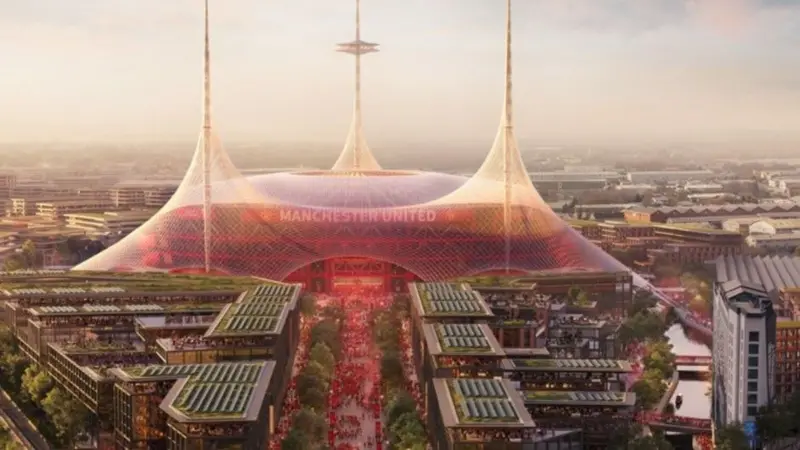
Manchester United are continuing plans to build a new 100,000-seat stadium — with a bold ambition to host the 2035 Women’s World Cup final.
The project, backed by co-owner Jim Ratcliffe, remains in early development stages despite initial expectations of rapid progress.
Why the delay?
While early messaging suggested a five-year build timeline, reality is more complex.
Key reasons:
- Land acquisition still ongoing
- Planning permission not yet secured
- Funding model not finalised
- Detailed designs still in progress
The 5-year timeline only starts once construction begins, not before
What’s happening behind the scenes?
According to project lead Collette Roche, work is actively progressing:
- Aligning stakeholders across the Old Trafford regeneration project
- Planning transport, infrastructure, and housing (15,000 homes)
- Developing engineering and procurement strategies
A major step will be submitting planning permission — when fans will finally see the real design
Where will it be built?
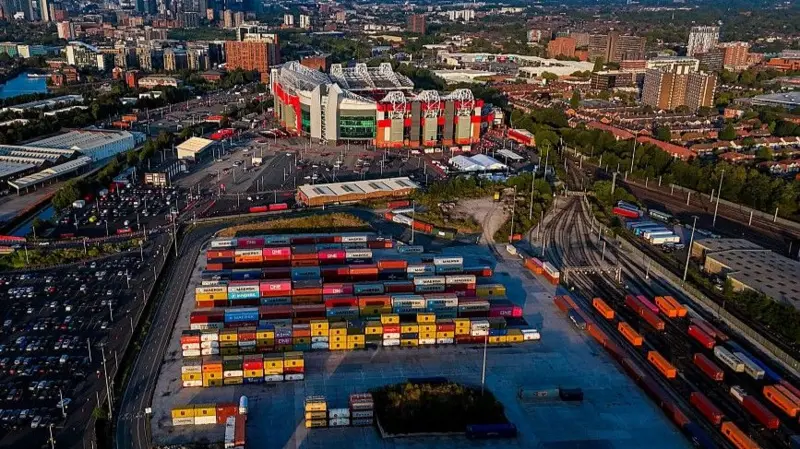
The new stadium is expected to be near Old Trafford, but:
- Exact site is not confirmed
- Multiple landowners involved
- Freightliner terminal is only one option
Final location decisions will shape transport links and overall cost
The biggest question: How much will it cost?
Estimated cost: £2bn+
But the exact figure is still unknown because:
- Materials not finalised
- Construction methods undecided
- Infrastructure scope still evolving
How will it be funded?
Three main options are being explored:
Private funding (Ratcliffe & Glazers)
- Keeps ownership internal
- Politically sensitive given past criticism
Borrowing
- Risky with existing £1bn+ debt
External investors
- Could separate stadium from club
- Complex due to Old Trafford being used as collateral
Strong investor interest has already been reported
Why 2035 matters
The goal is clear:
Host the Women’s World Cup final in 2035
This ambition is backed by local authorities, including Greater Manchester mayor Andy Burnham.
If achieved, the stadium would become:
- A global football hub
- A multi-purpose venue for major events
What happens next?
Over the next 12–24 months:
- Land issues expected to be resolved
- Planning applications to be submitted
- Construction timeline to be confirmed
Real visible progress is still a couple of years away
Final verdict
Manchester United’s stadium dream is alive — but far from guaranteed.
- Vision: Clear
- Ambition: Massive
- Execution: Still uncertain
If completed, it could redefine English football infrastructure
If delayed or mishandled, it risks becoming another unrealised mega-project


There are no comments yet. Be the first to comment!