


















































From FA Ban to Double Euros Winners: Lionesses Reach 500 Games in a Remarkable England Journey
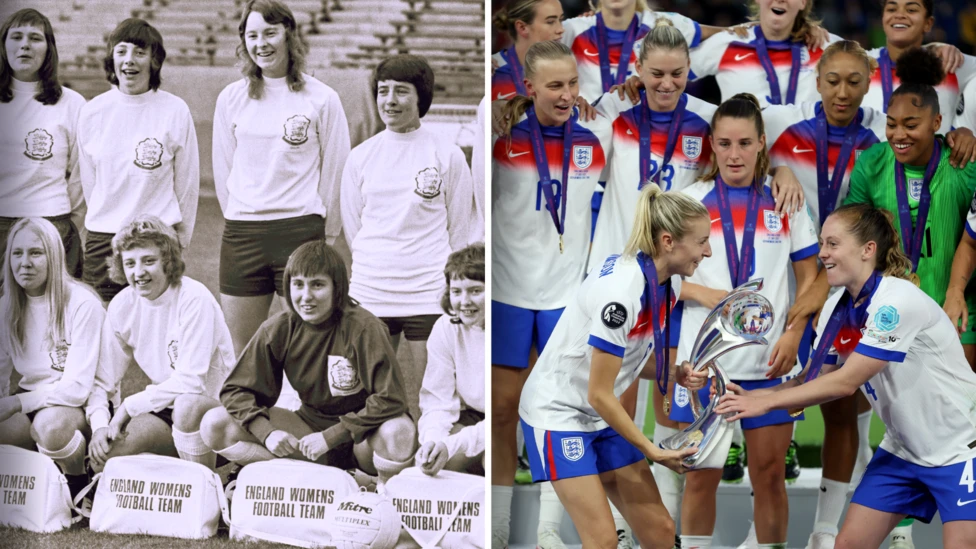
England’s Lionesses have become one of the defining success stories in modern sport, but their road to the top was anything but smooth. When they face Iceland in Reykjavik, the occasion will mark the 500th official match in the history of England’s senior women’s team — a milestone built on resilience, progress and generations of players who pushed the game forward.
Today, the Lionesses are European champions, global contenders and one of the most recognisable teams in British sport. Yet that reality once seemed impossible. There was a time when women’s football in England was actively pushed aside, denied support and forced to survive in the shadows.
That is why the number 500 matters. It is more than a fixture count. It is evidence of survival, growth and eventual triumph.
From FA Ban to Double Euros Winners: How the Lionesses Changed Everything
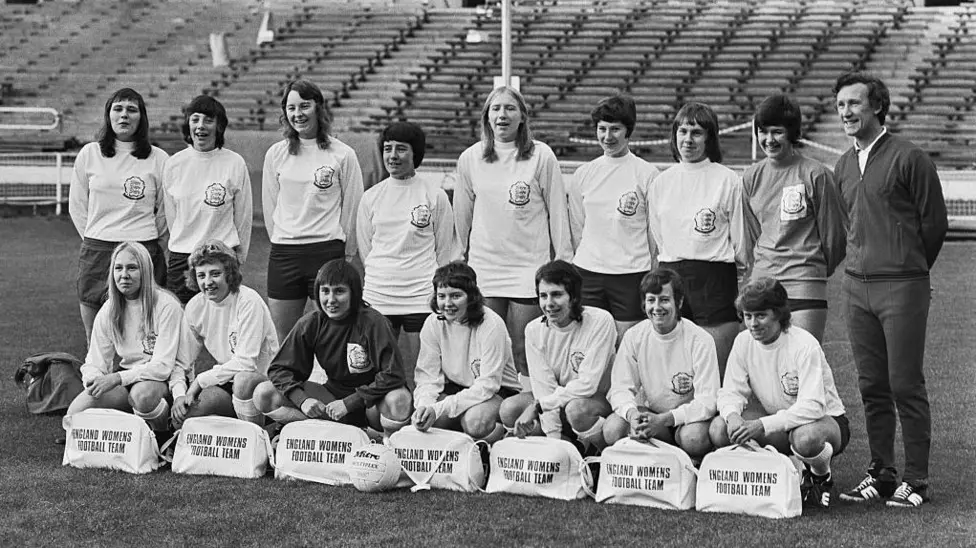
Any reflection on England women’s football must begin with the Football Association ban of 1921.
At a time when women’s matches were attracting significant crowds and interest, the FA ruled that football was “unsuitable for females” and barred women’s teams from using affiliated grounds. It was a devastating decision that slowed the game for decades.
Instead of developing naturally, women’s football was pushed onto park pitches and smaller venues, often without funding or visibility. While the men’s game expanded into a national obsession, women were left fighting simply to be allowed to play.
The ban remained in place until 1971.
That half-century delay still shapes discussions around the women’s game today. England’s current success did not come from steady support. It came despite years of neglect.
The First Official Lionesses Match in 1972
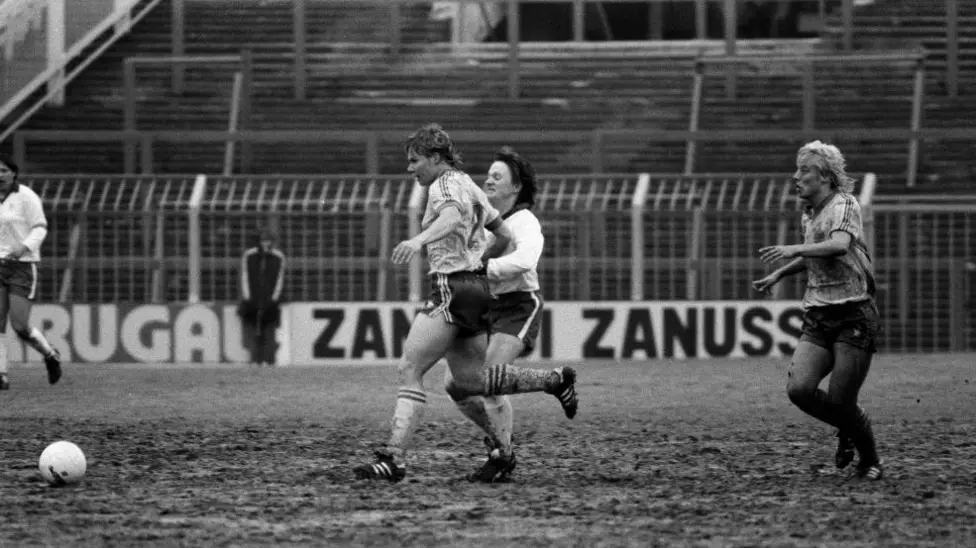
A year after the ban was lifted, England’s women played their first official international under the Women’s Football Association.
The opponents were Scotland. The venue was Greenock. The crowd numbered only around 400.
Compared with the packed stadiums seen today, it was modest. But historically, it was enormous.
England came from behind to win 3-2, beginning a new chapter. It was the first real step toward international legitimacy and competitive identity.
Those players could hardly have imagined that one day England women would sell out Wembley and command global audiences.
Early Promise and European Progress
The Lionesses reached a European final in 1984, showing that talent had always existed even if structures had not.
They defeated Denmark over two legs to set up a final against Sweden. England lost narrowly, with the title decided on penalties after an aggregate draw.
Though defeat hurt, it was proof that England could compete seriously on the continental stage.
Five years later, the women’s team played at Wembley for the first time. Symbolically, that mattered. Wembley had long represented the heart of English football. For the Lionesses to appear there signalled growing recognition, even if equality remained far away.
FA Control and the Start of Professional Progress
In 1993, the Women’s Football Association handed responsibility to the FA.
That moment was critical. The WFA had worked tirelessly but lacked the financial muscle and infrastructure required for major growth. The FA, for all its earlier failings, now had the resources to professionalise the women’s game.
League structures improved. National competitions became more organised. Investment slowly increased.
Then came another landmark appointment: Hope Powell in 1998.
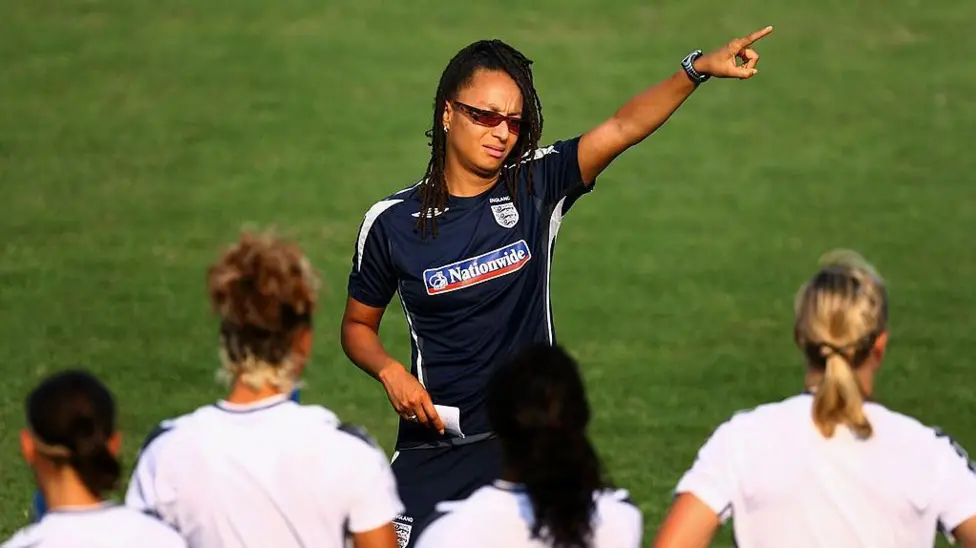
Powell became England women’s first full-time head coach and one of the most important figures in the modern history of the game. She not only led the team into major tournaments but also helped shape development systems behind the scenes.
Many of the foundations visible today were laid in that era.
Hosting Euro 2005 Changed Perceptions
When England hosted the European Championship in 2005, the tournament became a turning point.
Crowds were strong, television audiences were encouraging and the public began to see women’s football differently. It was no longer niche or occasional. It looked like a product with genuine momentum.
For many younger fans, Euro 2005 was the first time they regularly watched the Lionesses.
That matters because visibility creates ambition. Girls who saw those matches suddenly had role models. Clubs began to grow. Pathways became clearer.
Sometimes one tournament can shift culture. This was one of them.
Central Contracts and the Professional Era
In 2009, central contracts were introduced for England players.
That may sound administrative, but it changed careers.
For the first time, leading players could focus properly on football rather than juggling training with full-time jobs elsewhere. Recovery, nutrition, preparation and tactical work all improved.
England also reached the Euro 2009 final that same year, losing to Germany but showing clear progress.
Professional conditions tend to produce professional standards. England were finally moving in that direction.
World Cup Bronze and a New Audience
The 2015 Women’s World Cup in Canada gave the Lionesses another breakthrough.
England exceeded expectations, reaching the semi-finals before suffering heartbreak against Japan through Laura Bassett’s late own goal. But the team recovered brilliantly to beat Germany in the third-place play-off.
That bronze medal was England’s first World Cup podium finish.
Just as importantly, millions watched at home. The audience for women’s football was no longer theoretical. It was real, measurable and growing fast.
First Major Trophy in 2022
Everything changed again at Euro 2022.
Under Sarina Wiegman, England combined organisation, confidence and emotion to win their first major trophy. Wembley hosted the final, where 87,192 fans watched the Lionesses beat Germany 2-1 after extra time.
The scenes afterward became iconic.
Chloe Kelly’s winner. Mary Earps leading celebrations. Trafalgar Square packed with supporters. Players becoming household names overnight.
It was not merely a football triumph. It was a national cultural moment.
First World Cup Final and Double Euros Winners
England followed that by reaching the 2023 Women’s World Cup final in Australia.
Despite injuries to key stars, they navigated a difficult route and reached the final before losing narrowly to Spain. It was disappointment, but also confirmation that England belonged among the elite.
Then came another statement in 2025.
The Lionesses successfully defended their European title in Switzerland, overcoming setbacks early in the tournament before beating Spain in the final after another dramatic shootout.
Back-to-back European titles moved the team from pioneers to dynasty territory.
Lionesses Reach 500 Games With More History Still Ahead
Now comes match number 500 against Iceland.
There is World Cup qualification on the line, of course, but the broader meaning of the evening is impossible to ignore.
From exclusion to excellence. From banned pitches to sold-out stadiums. From volunteers keeping the sport alive to a team expected to challenge for every major honour.
That is the real story of the Lionesses.
And perhaps the most exciting part is that game 500 does not feel like the end of something. It feels like another milestone on the way to even bigger days ahead.
England women once fought to be seen. Now they are setting the standard.


There are no comments yet. Be the first to comment!