






































































NRL Chief Insists Super League Talent Will Not Be Drained as Investment Talks Gather Pace
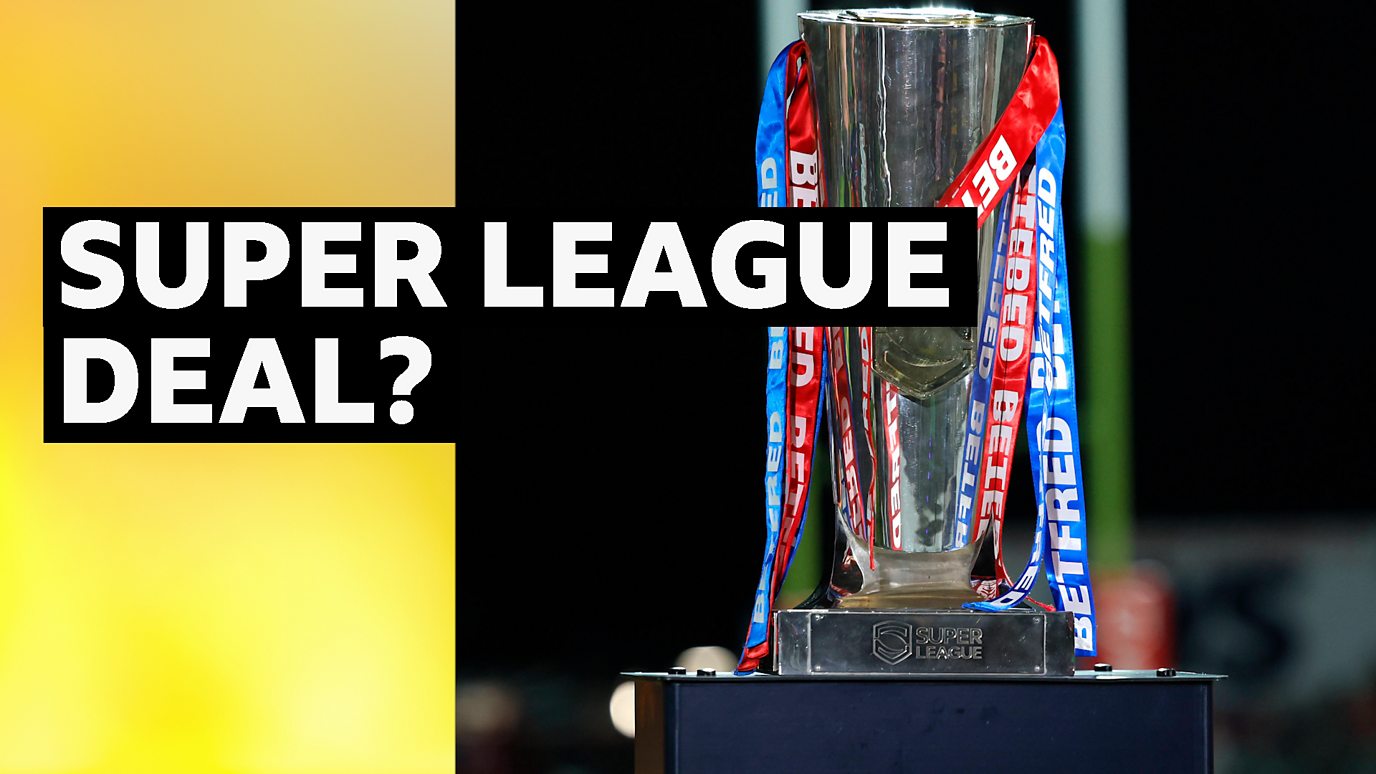
The future of rugby league in Britain may be approaching a turning point, but according to NRL chief executive Andrew Abdo, fears that Super League talent will be drained by Australian money are misplaced.
Talks between Australia’s National Rugby League and key figures in the UK game have accelerated in recent weeks, with the possibility of a major investment package now firmly on the table. It is a proposal that could reshape the sport on both sides of the world.
Not everyone is convinced.
Some club owners and administrators in England have voiced concern that any deal could eventually weaken the domestic game, turning Super League into little more than a development route for the stronger and wealthier NRL. Abdo, however, has rejected that suggestion completely.
Speaking during a visit to Britain, the NRL boss insisted the objective is the exact opposite: to strengthen rugby league in the UK, improve pathways, grow revenues and help the sport compete in a crowded marketplace.
For now, there is no formal agreement. But there is momentum, and there is growing recognition that rugby league in Britain may need bold thinking if it is to close the gap on its Australian counterpart.
NRL Chief Says Super League Talent Will Not Be Drained
Abdo was direct when asked about the biggest concern surrounding the talks.
He said claims that Australia wants to use Super League as a feeder competition are “completely unfounded” and do not reflect the purpose of the negotiations.
From the NRL perspective, this is not about stripping clubs of their best players or cherry-picking emerging talent. It is about building a stronger ecosystem where both competitions benefit.
That means investing in youth development, creating better commercial structures and helping the European game become more stable financially.
There is logic to that argument. A healthier British competition would create stronger clubs, better players and a more valuable global product. If rugby league wants to expand internationally, it needs more than one thriving elite league.
Still, words alone may not calm every sceptic.
English clubs have watched top talent head to Australia for years. Many supporters naturally fear that a deeper partnership would only increase that trend.
Abdo’s challenge now is to convince them that this project would reverse decline rather than accelerate it.
Why Super League Needs Change
Even with improving attendances and some encouraging crowd numbers, the financial reality in Britain remains uncomfortable.
Super League clubs are collectively losing millions each year. Revenues remain modest compared to football, and commercial growth has often lagged behind ambition.
The UK game also operates in a brutally competitive sports market. Football dominates attention, media space and sponsorship. Rugby union, cricket and other sports fight for the remaining share.
That makes long-term planning difficult.
The NRL, by contrast, has enjoyed significant commercial expansion in Australia over the past decade. It has stronger broadcast deals, greater mainstream relevance and a clearer governance model.
For some in Britain, partnering with the NRL looks like an opportunity to import expertise as much as money.
For others, it looks like surrender.
The truth is probably somewhere in between.
Governance Is the Real Battle
If investment is the headline issue, control is the real story.
Abdo made it clear that any serious financial commitment would require structural reform. The NRL wants confidence that decisions can be made quickly, professionally and in the best long-term interests of the game.
That sounds sensible in theory.
In practice, it could mean current owners and powerbrokers losing influence over how Super League is run. Unsurprisingly, that is where resistance becomes strongest.
Many clubs do not want to hand authority to an outside-led commission. They want guarantees that British rugby league would still be represented and protected.
Rhodri Jones of RL Commercial acknowledged as much, suggesting finance and control remain the central issues to solve.
That may ultimately determine whether a deal happens.
Money can be negotiated. Governance is more personal.
Partnership or Takeover?
One phrase has been repeated often during these discussions: this is not a takeover.
Both sides are keen to frame the talks as a partnership. That distinction matters because perception matters.
If clubs believe they are being swallowed by the Australian game, support will collapse quickly. If they believe they are entering a joint venture that preserves identity while adding expertise, the mood changes.
There are genuine benefits available.
The NRL has experience in broadcasting, scheduling, commercial packaging, fan engagement and event presentation. Those are areas where British rugby league has often struggled for consistency.
A strategic partnership could help modernise operations and open new markets.
But partnerships only work when trust exists. At the moment, trust still needs building.
Could the Calendar Change?
Another intriguing theme is whether Super League might one day return to a winter season.
Abdo did not dismiss the idea, though he made clear it is not an immediate priority. A winter schedule could theoretically align the global calendar better and create year-round broadcasting opportunities for the sport.
That would be a huge cultural shift in Britain, where summer rugby has become established.
Yet it also shows the scale of thinking involved. These talks are not just about plugging short-term losses. They are about reimagining how rugby league is positioned worldwide.
Whether fans would welcome such dramatic change is another matter.
What Happens Next?
No formal offer has yet been placed on the table, but all parties seem to agree one thing: clarity is needed soon.
Broadcast negotiations are ongoing, and planning for future seasons cannot wait forever. If investment is coming, clubs need to know what it looks like and what it demands in return.
The next few weeks could therefore be decisive.
Either discussions progress into a landmark agreement, or concerns over control and identity slow everything down.
A Defining Moment for Rugby League
British rugby league has reached one of those moments where standing still may be the riskiest option.
The sport has proud traditions, passionate communities and a loyal audience. But heritage alone does not pay modern bills or secure future relevance.
That is why these talks matter so much.
Abdo insists Super League talent will not be drained. He says the mission is growth, not extraction. Many in the UK game want to believe him, but they also want proof.
If the NRL can provide investment while respecting local identity, this could become one of the most important developments rugby league has seen in decades.
If not, suspicion will remain and the opportunity may pass.
Either way, the conversation has already exposed an uncomfortable truth: the game in Britain knows it needs help. The only question now is what kind of help it is willing to accept.


There are no comments yet. Be the first to comment!