














































































































































































































Are Christian Pulisic ‘Alarm Bells Ringing Really Loud’? Taylor Twellman Weighs In Ahead of Home World Cup
Are Christian Pulisic ‘Alarm Bells Ringing Really Loud’? Taylor Twellman Addresses USMNT Concerns Before 2026
There’s something different about a World Cup on home soil. The noise is louder, the expectations heavier, and the spotlight? It doesn’t blink. For the United States men’s national soccer team, the road to 2026 isn’t just about preparation — it’s about belief, identity, and whether this generation can actually deliver when the moment arrives.
At the center of it all, as always, is Christian Pulisic.
But instead of the usual optimism that tends to follow “Captain America,” there’s a slightly different tone creeping into the conversation. Not panic, not yet — but concern. And it’s being voiced by someone who knows exactly what that pressure feels like: Taylor Twellman.
A Dip in Form at the Wrong Time
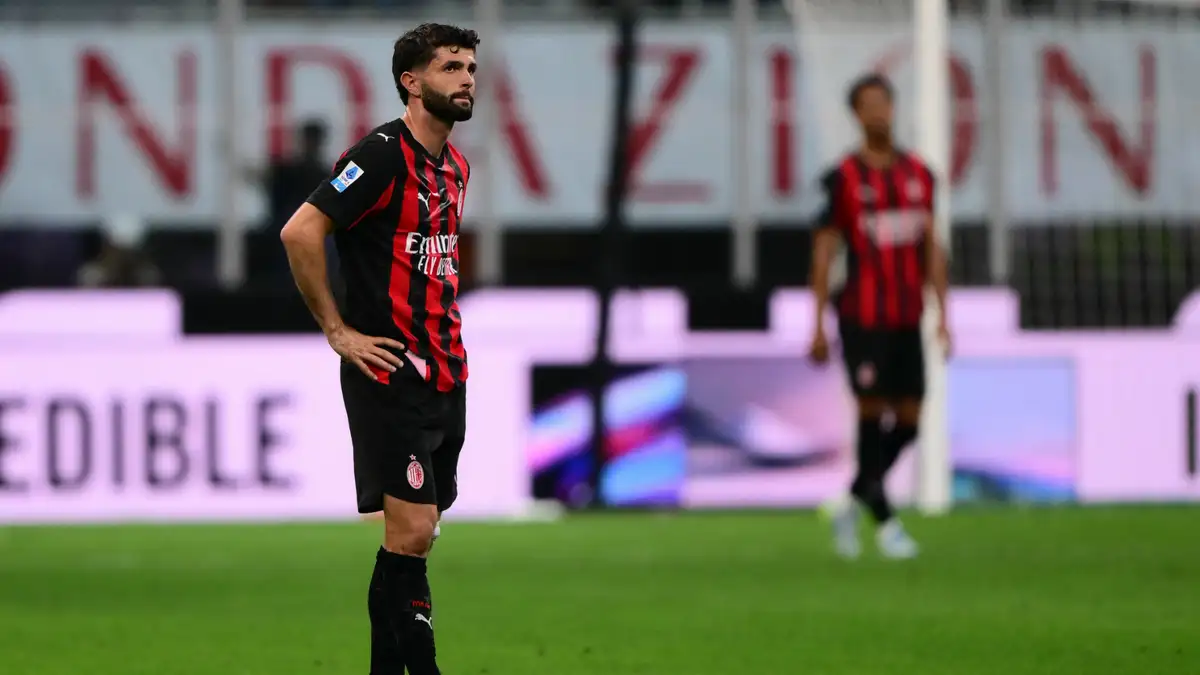
For much of the season, Christian Pulisic looked like a man reborn at AC Milan.
Sharp, confident, decisive — he was leading the team in goals and contributions, playing with a kind of freedom that had occasionally been missing earlier in his career. It felt like everything was clicking into place at just the right time, with the 2026 World Cup looming.
And then, quietly, things slowed down.
The goals dried up a little. The influence dipped. Not dramatically, not catastrophically — but enough to raise eyebrows. Enough to start conversations.
Twellman didn’t shy away from that reality.
“Yes, I would be concerned,” he admitted. “Because of how high a level he was playing at before the new year.”
It’s not just about numbers. It’s about rhythm. Confidence. Timing. All those small, intangible elements that define a player’s form — and how quickly they can shift.
‘Alarm Bells’? Not Quite — But Close Enough
The phrase “alarm bells” tends to trigger a certain reaction. It suggests urgency, maybe even panic. Twellman, though, was careful with his wording.
“Are the alarm bells ringing really loud? I don’t know,” he said.
That hesitation says a lot.
Because in football — or soccer, depending on which side of the Atlantic you’re on — form is rarely permanent. A single goal can change everything. One good performance can reset the narrative entirely.
Twellman believes Pulisic is capable of exactly that.
“All it takes is for him to mentally get around the corner,” he explained. “Score a goal, and it can turn in the blink of an eye.”
There’s truth in that. We’ve seen it before, countless times. Players drift, struggle, and then suddenly, something clicks. The confidence returns, the movements sharpen, and the output follows.
But here’s the catch: timing matters.
And with the World Cup approaching, there isn’t endless time to find that rhythm again.
Club Form vs. Country Form — A Subtle Difference
Interestingly, Twellman’s bigger concern isn’t necessarily what Pulisic is doing in Italy with AC Milan.
It’s what he hasn’t been doing for the national team.
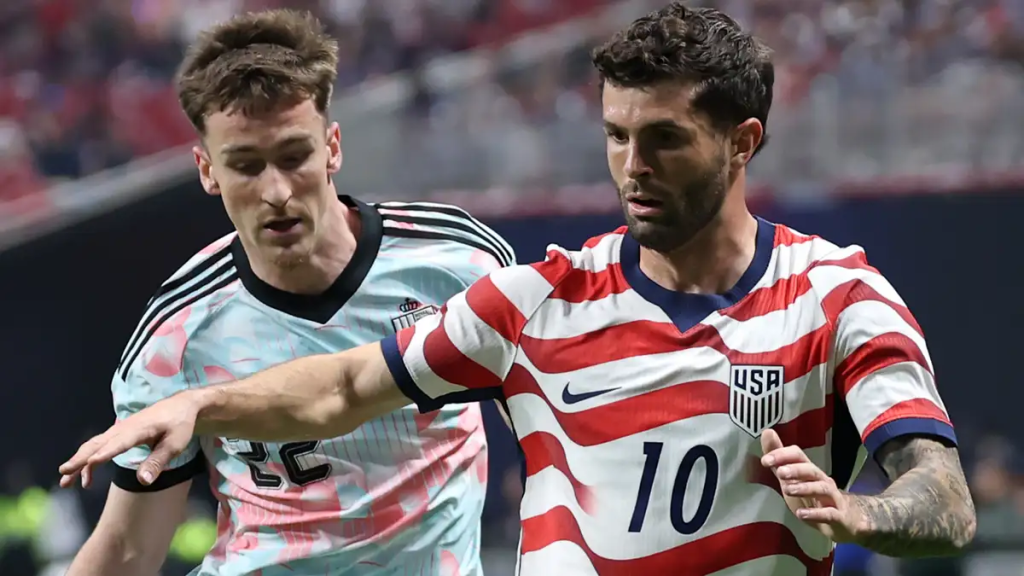
Since the CONCACAF Gold Cup, Pulisic hasn’t quite hit the same heights in a US shirt. Add to that his absence during parts of the summer schedule, and there’s a sense that his connection with the current rhythm of the team isn’t as strong as it once was.
That’s where the real concern lies.
Because international football doesn’t offer the same luxury of time as club football. You don’t get weeks to play your way back into form. You get moments — sometimes just one — and you have to take them.
For the United States men’s national soccer team, those moments will almost certainly fall to Pulisic.
The Three Pillars of This USMNT Generation
If you ask Twellman, though, this isn’t just about one player.
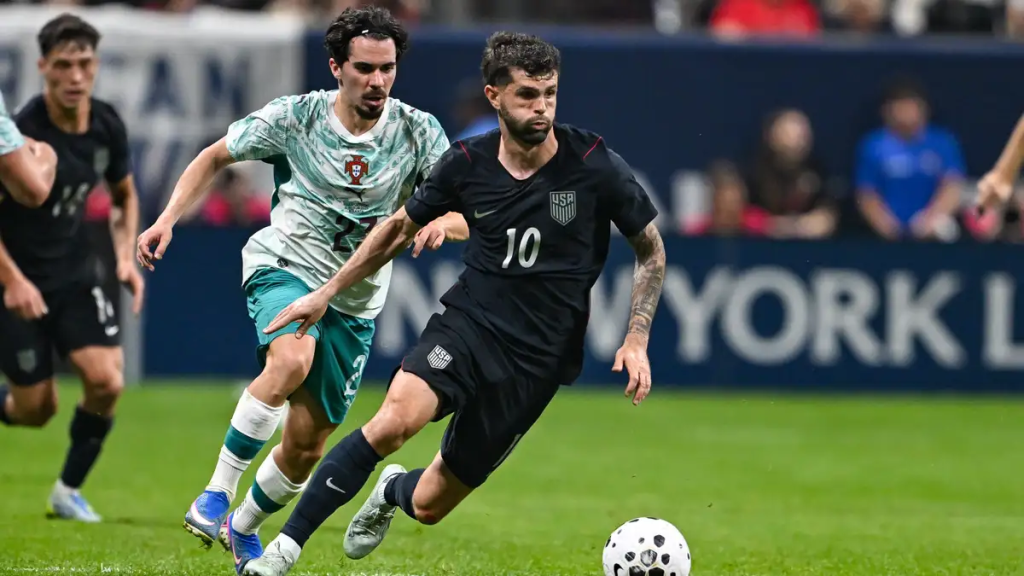
He points to a trio — the core of this generation — that will ultimately define how far the U.S. can go: Christian Pulisic, Weston McKennie, and Tyler Adams.
“These are the three players that determine the pulse of the team,” he said.
It’s an interesting way to frame it.
Pulisic brings the creativity and attacking threat. McKennie offers energy, versatility, and a knack for arriving in key moments. Adams provides balance, leadership, and the kind of defensive intelligence that often goes unnoticed but is absolutely vital.
Together, they form the spine of the team — not just tactically, but emotionally.
If they perform, the team rises with them.
If they don’t, the margin for error shrinks dramatically.
Experience, Expectation, and Responsibility
What makes this trio particularly important is that they’ve grown together.
This isn’t a group being thrown into the spotlight for the first time. They’ve been through qualifying campaigns, tournaments, setbacks, and successes. They understand the expectations that come with representing the United States men’s national soccer team — especially at a World Cup hosted on home soil.
And that familiarity brings responsibility.
“They understand the moment,” Twellman said. “They understand their roles.”
That might sound obvious, but in tournament football, it’s everything.
Because when pressure hits — and it will — clarity matters. Knowing when to take risks, when to slow the game down, when to step up — those decisions often separate teams that compete from teams that progress.
Faith in “Captain America”
Despite the concerns, there’s still a strong sense of belief in Christian Pulisic.
Twellman made that clear.
“I’ve never been concerned about his commitment,” he said. “Not once.”
That’s important.
Because form can fluctuate, but attitude is far harder to fix. And by all accounts, Pulisic’s dedication has never been in question. The issue isn’t effort — it’s output.
And output, as we’ve seen time and again, can return just as quickly as it disappears.
“There are peaks and valleys,” Twellman added. “I fully expect him to be at his best this summer.”
That expectation isn’t blind optimism. It’s based on history.
Pulisic has delivered in big moments before. He’s carried the team at times when others struggled. That track record buys him patience — at least for now.
The Global Picture — And the Gap to the Elite
Even if Pulisic finds top form, though, the challenge facing the U.S. remains significant.
When you look at the global landscape, teams like Spain national team and France national team stand out.
For Twellman, they set the benchmark.
“Spain and France are ticking above everyone else,” he noted.
There’s depth, quality, and a level of consistency that few can match. France, in particular, with its seemingly endless production line of elite talent, looks capable of sustaining success across multiple tournaments.
The U.S. isn’t quite there yet.
That doesn’t mean they can’t compete — but it does mean everything has to go right.
What Does Success Look Like?
For the United States men’s national soccer team, defining success at the 2026 World Cup is tricky.
A deep run would be historic. A group-stage exit would be a major disappointment. Somewhere in between, and the narrative becomes more nuanced.
Twellman believes one thing is clear: they need to win their group.
From there, momentum can build.
But without that foundation, the path becomes much harder.
A Tournament That Could Define a Generation
In the end, this isn’t just about form or tactics or even individual performances.
It’s about timing.
For Christian Pulisic, this World Cup represents a defining moment — a chance to lead, to deliver, to cement his place in the history of American soccer.
The same goes for Weston McKennie and Tyler Adams.
This is their tournament.
And while the “alarm bells” might not be ringing loudly just yet, they’re there — faint, but noticeable.
Whether they fade away or grow louder will depend on what happens next.
Because in football, as ever, everything can change in an instant.


There are no comments yet. Be the first to comment!