


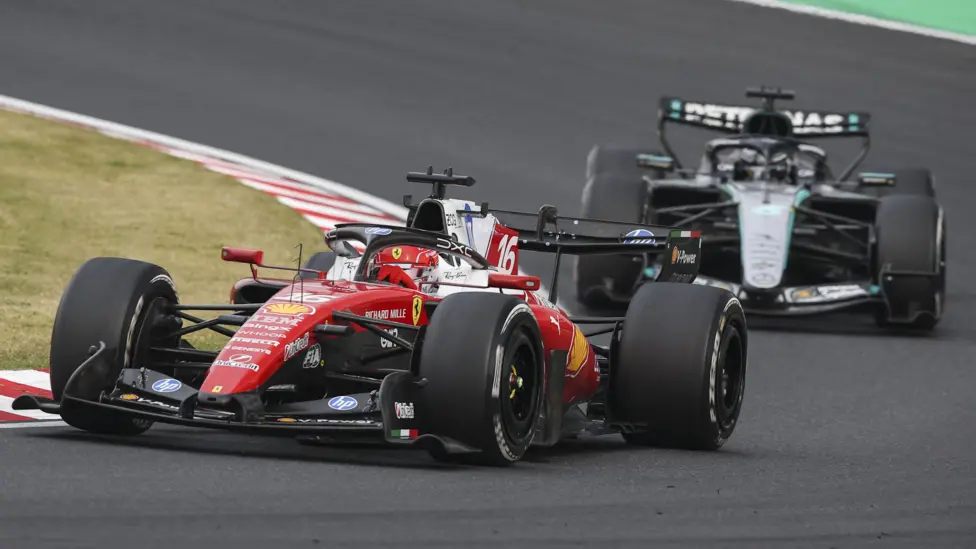
Will Miami F1 rule changes make real difference?
Will rule changes make noticeable difference in Miami? F1 Q&A
Formula 1 returns this weekend with the Miami Grand Prix, the first race in five weeks, and fresh attention is on new rule changes introduced to improve the 2026 cars.
The latest adjustments focus on the power-unit regulations after concerns from drivers and teams during the opening three races of the season.
What has changed?
The tweaks are designed to reduce awkward energy management during qualifying and improve safety when one car is deploying power while another is harvesting battery energy.
This should mean:
- Less “lift and coast” driving
- Fewer sudden speed drops on straights
- More natural qualifying laps
- Better driver control during overtaking battles
Will fans notice a big difference?
The honest answer is: somewhat, but not dramatically.
Drivers are expected to feel a clearer improvement inside the cockpit, with McLaren’s Oscar Piastri saying the power delivery should feel more sensible and easier to manage.
For viewers, the racing may look smoother, but major visible changes are unlikely immediately.
Why not a bigger fix?
Many in the paddock believe a larger hardware adjustment is still needed. That would likely involve changing the engine power split from the current near 50-50 balance between combustion and electric power to something closer to 60-40.
Such a move would restore more traditional Formula 1 characteristics.
What about Miami itself?
Miami’s long straights and heavy braking zones make it a strong test track for these changes. If improvements are noticeable anywhere, this weekend should provide early answers.
Bottom line
The Miami Grand Prix may show progress, but these changes appear to be an early step rather than a full solution. Formula 1 has improved the package, but bigger decisions could still come later this season.


There are no comments yet. Be the first to comment!